
Secrets of the Airplane's "Black Box": What It Really Is and How It Saves Lives
Whenever we hear news of a plane crash, we inevitably hear a mysterious phrase: "experts are searching for the black box."
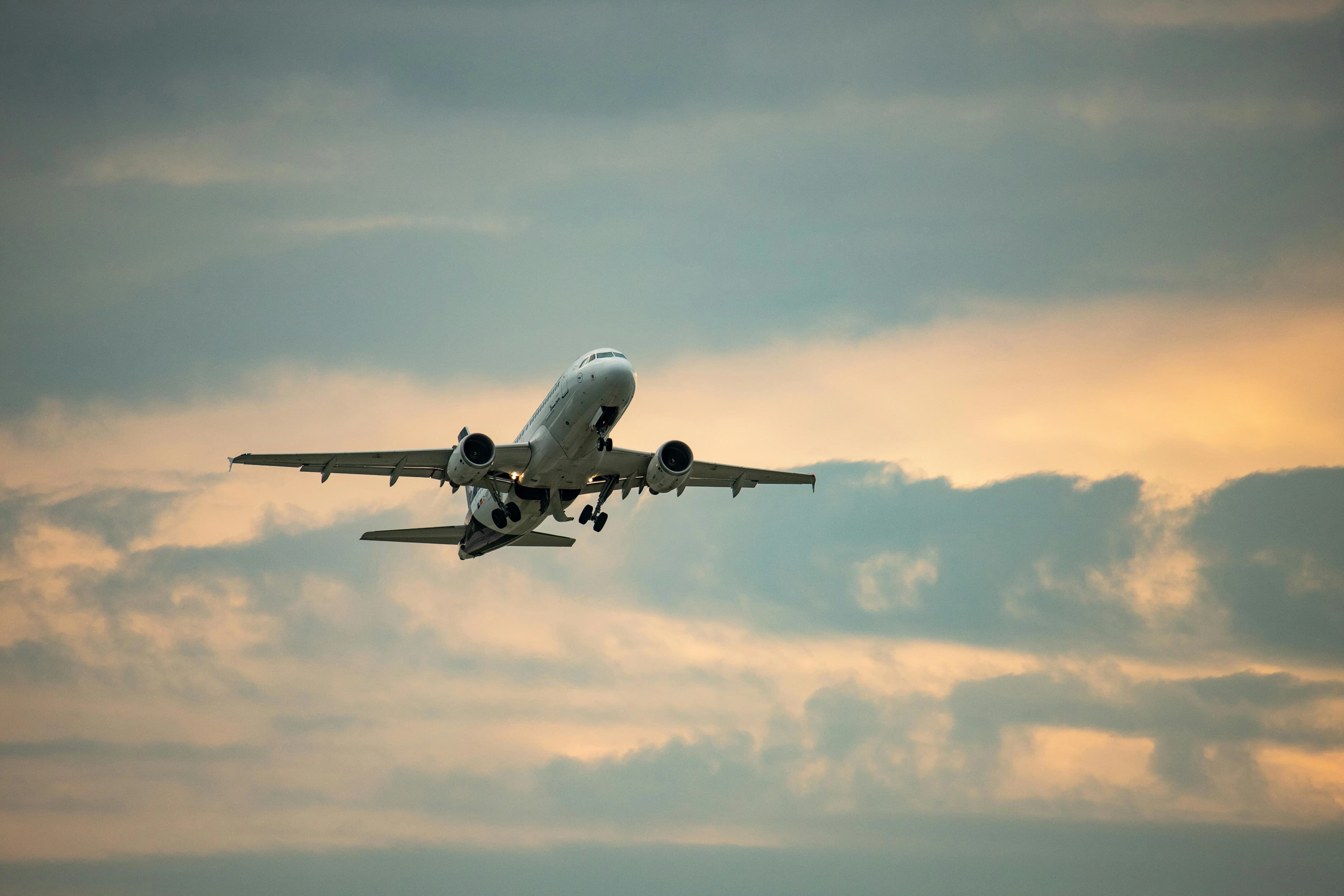
In our imagination, it appears as a box full of secrets that can tell the true story of the tragedy. But what is it really, why is it so important, and most curiously, why is it called "black" when it isn't that color at all?
Why Is It Orange if It's Called "Black"?
Let's start with the most common misconception. An airplane's "black box" is not actually black. It is painted a bright, internationally recognized color called "International Orange." The reason is remarkably simple: after a crash, when debris might be scattered, covered in mud, or submerged underwater, the bright orange color is much easier to spot during search operations.
The name "black box" likely has two origins. The first is tied to the early days of aviation, when the interiors of flight recording devices were blackened to protect the photographic film inside from light. According to the second theory, a British journalist, describing an early prototype, called it a "wonderful black box," and the name simply stuck.
Not One Box, but Two
In reality, the "black box" is not a single device but a system composed of two separate, incredibly durable units located in the tail section of the airplane—the part least likely to be damaged in a crash.
- Flight Data Recorder (FDR): This device is like the airplane's "cardiogram." It records hundreds of parameters every second, including altitude, airspeed, engine performance, wing flap positions, every movement of the controls, and dozens of other technical data points. The FDR stores the last 25 hours of flight information.
- Cockpit Voice Recorder (CVR): This is the airplane's "ears." It records all conversations in the cockpit, communications with air traffic control, engine sounds, the clicking of switches, and any other noise that might indicate a problem. The CVR stores the last 2 hours of audio.
Indestructible Technology: How Does It Survive a Catastrophe?
"Black boxes" are engineered to survive conditions that the rest of the aircraft cannot. Their memory units are protected by multi-layered armor designed to withstand:
- Immense impact forces: Up to 3,400 Gs (a human can only withstand a few Gs).
- Extreme high temperatures: Up to 1,100°C (2,000°F) in a fire for one hour.
- Tremendous ocean pressure: At depths of up to 6,000 meters (20,000 feet).
If the aircraft crashes into water, the black box activates an Underwater Locator Beacon (ULB), which emits ultrasonic pulses for 30 days, helping search teams find it even on the ocean floor.
How the "Black Box" Saves Future Lives
Herein lies the true value of the device. A "black box" cannot save a flight already in distress, but it plays an invaluable role in preventing future accidents.
When experts decode the data from the FDR and CVR, they can piece together a complete picture of the final moments of a flight. This allows them to find the true cause of the tragedy, whether it was a technical malfunction, human error, or adverse weather conditions.
- Example 1: United Airlines Flight 232 (1989) The aircraft's tail engine exploded, disabling all of its flight control systems. Thanks to the incredible efforts of the pilots, 185 people survived. The "black box" data revealed a structural flaw in the engine's metal, which led to stricter inspection protocols and material quality standards across the aviation industry.
- Example 2: Air France Flight 447 (2009) This disaster remained a mystery for a long time. Two years later, after the black boxes were recovered from the ocean floor, it became clear that frozen speed sensors had provided incorrect data to the pilots, causing them to make fatal errors. Following this incident, pilot training programs worldwide were updated to better handle such situations.
- Example 3: Aeroperú Flight 603 (1996) Shortly after takeoff, the pilots began receiving contradictory data: the airspeed indicator showed they were going too fast, while the altimeter showed they were too low. The confused crew could not orient themselves, and the plane crashed into the ocean. The "black box" data showed that all the sensors were malfunctioning. The investigation revealed that a maintenance worker had forgotten to remove protective tape from crucial sensors after cleaning the plane. This incident led to an unprecedented tightening of maintenance protocols, implementing a system of multiple checks.
- Example 4: Alaska Airlines Flight 261 (2000) During its flight, the plane lost control and entered an uncontrollable dive. The CVR recorded the pilots' struggle against the machine until the very last second. Analysis of the data showed that the cause was a worn-out component in the tail stabilizer mechanism, which had not been replaced due to inadequate maintenance. After this tragedy, the U.S. Federal Aviation Administration (FAA) mandated the replacement of that component on all similar aircraft and established stricter maintenance schedules.
- Example 5: Colgan Air Flight 3407 (2009) This aircraft stalled and crashed into a residential area while on approach to land. The "black boxes" revealed not a technical issue, but a human one. It turned out the pilots, encountering icing conditions, had reacted incorrectly to the automated system's warnings. Furthermore, it was discovered they were fatigued and had not had adequate rest. This disaster sparked a major public debate, resulting in changes to regulations governing pilot work hours and rest periods to reduce the risk of fatigue.
- Example 6: US Airways Flight 1549 (2009) - "The Miracle on the Hudson" This is one of the rare cases where the "black box" helped confirm not an error, but heroism. Immediately after takeoff, the plane struck a flock of birds, causing both engines to fail. The CVR clearly showed how pilots Chesley "Sully" Sullenberger and Jeffrey Skiles acted with calm professionalism, making the decision to land the plane on the Hudson River. The FDR later confirmed that their decision was the only viable one and that they could not have reached a nearby airport. Thus, the "black box" became irrefutable proof of the crew's skill and the correctness of their actions.
Thus, every time a "black box" helps determine the cause of a crash, airlines, aircraft manufacturers, and regulatory bodies learn a lesson. They change aircraft designs, improve maintenance procedures, and revise pilot training. This is how this indestructible, bright orange device, bearing the mysterious name "black box," silently continues to save thousands of lives in the sky, turning every tragedy into a lesson that makes air travel safer for us all.
Related articles

 SpaceOctober 13, 2025
The Great Attractor: The Invisible Pull of the Cosmic Abyss
14 min read TechnologyAugust 26, 2025
The Paradox of the Future: Why We Fear the Next 100 Years
3 min read SpaceAugust 26, 2025
Cosmic Forges: The Role of Supernova Explosions in Cosmic and Human Evolution
3 min read SpaceAugust 26, 2025
The Era of Space Junk: Humanity's Invisible Pollution
3 min read SpaceAugust 25, 2025
Mars's Aqueous Past: The Invaluable Discovery of the Curiosity Rover
2 min read HistoryAugust 21, 2025