
Mars's Aqueous Past: The Invaluable Discovery of the Curiosity Rover
Mars, which often appears to us as a desolate and lifeless planet, had a completely different appearance billions of years ago.
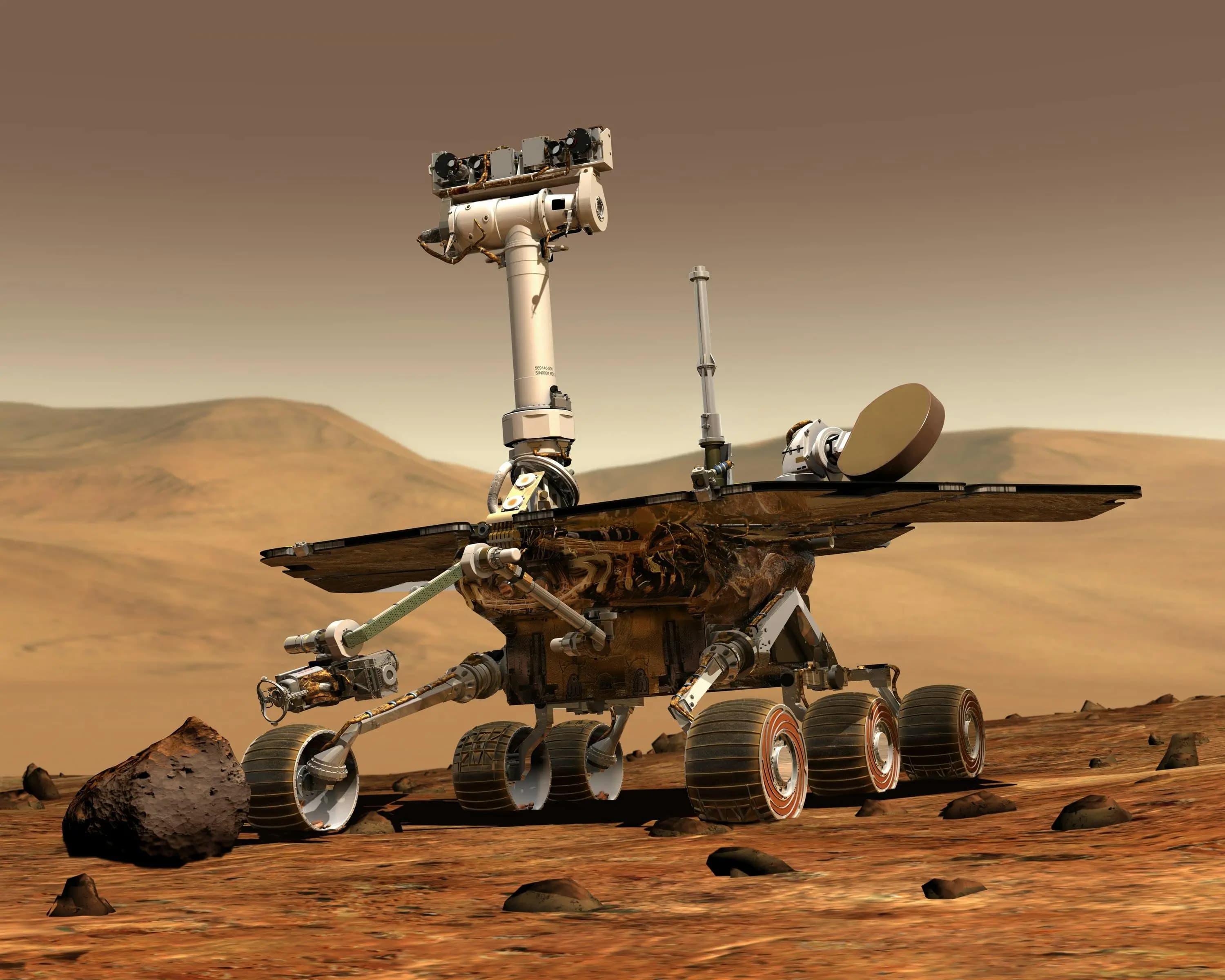
The latest discoveries by NASA's Curiosity rover are revolutionizing our understanding of the Red Planet, showing that it once had numerous lakes and rivers that could have hosted life.
Gale Crater: An Ancient Lake
For over a decade, the Curiosity rover has been exploring Gale Crater, which formed about 3.5 billion years ago. Scientists have long suspected that the crater was once filled with water, but now those suspicions are being replaced with evidence. The rover has studied the base of Mount Sharp—the central peak of Gale Crater—and discovered various layers of sedimentary rock. These layers formed at the bottom of the water and indicate that the lake existed for a long period.
Traces of Water and the Possibility of Life
The clay rocks discovered by the rover are crucial evidence, as clay only forms in the presence of water. Additionally, the rover's instruments, the Chemistry & Camera (ChemCam) and Mars Hand Lens Imager (MAHLI), have analyzed the composition of the rocks and found chemical elements such as carbon, hydrogen, oxygen, nitrogen, and sulfur. These elements are considered the necessary "building blocks" for life. Scientists hypothesize that these components could have supported the existence of microbes, as occurs in similar conditions on Earth.
What This Means for the Future
Curiosity's discoveries not only confirm that Mars once had water but also show that the planet had conditions that could have promoted the emergence of life. This sets new targets for future missions, such as the Perseverance rover, which is already collecting samples on Mars. When these samples reach Earth, they will be studied with the most sensitive instruments to find even the smallest traces of ancient life.
Understanding Mars's aqueous history brings us closer to answering the big question of whether we are alone in the universe. Curiosity's work reminds us that even in the most desolate places, there can be hidden stories of life.
Related articles
 SpaceOctober 13, 2025
The Great Attractor: The Invisible Pull of the Cosmic Abyss
14 min read SpaceSeptember 8, 2025
Secrets of the Airplane's "Black Box": What It Really Is and How It Saves Lives
7 min read TechnologyAugust 26, 2025
The Paradox of the Future: Why We Fear the Next 100 Years
3 min read SpaceAugust 26, 2025
Cosmic Forges: The Role of Supernova Explosions in Cosmic and Human Evolution
3 min read SpaceAugust 26, 2025
The Era of Space Junk: Humanity's Invisible Pollution
3 min read HistoryAugust 21, 2025