
Start the day here→
3 min readAugust 26, 2025
The Paradox of the Future: Why We Fear the Next 100 Years
When we think about the future of humanity, our imagination usually travels to two extremes: either a fantastic, technological utopia or a post-apocalyptic disaster straight out of a sci-fi movie. In reality, our destiny over the next 100 years will likely be a mix of these two extremes, where technological progress will lead not only to incredible opportunities but also to complex moral and existential challenges. We will reach a point where the boundaries of human nature become blurrier than ever before.
The Boundaries of Human Nature
One of the biggest changes we can expect is the merger of our biology and technology. Scientists are already trying to improve the human body and brain. In the coming decades, we may see:
- The Merging of Humans and Machines. We will be able to integrate artificial intelligence (AI) chips into our brains, which will enhance our memory and cognitive abilities. This will increase our productivity but also raise ethical questions: Who will own our minds? The line between human intelligence and artificial intelligence will become unclear, and we will be forced to redefine what it means to be "human."
- Genetic Engineering. Scientists will be able to edit the human genome to cure diseases and even "improve" human traits like strength, intelligence, or longevity. This could lead to a new type of social inequality between "genetically enhanced" and "natural" humans. This inequality could create new social classes based not on wealth but on biological advantages.
The New Structure of Society
Technological advancements will also reshape our social relationships and value systems.
- The Meaning of Work. If AI and robots replace most of the workforce, we will be forced to re-examine the role of work in human life. Can humanity survive in a state of only leisure and creative work? Or will it lead to greater anxiety and a feeling of purposelessness?
- Global Connectivity and Cultural Identity. Being constantly connected can erase national and cultural boundaries. At the same time, we may witness a new struggle for identity, where people will try to preserve their traditional values under the pressure of globalization.
The Fate of Earth and Space
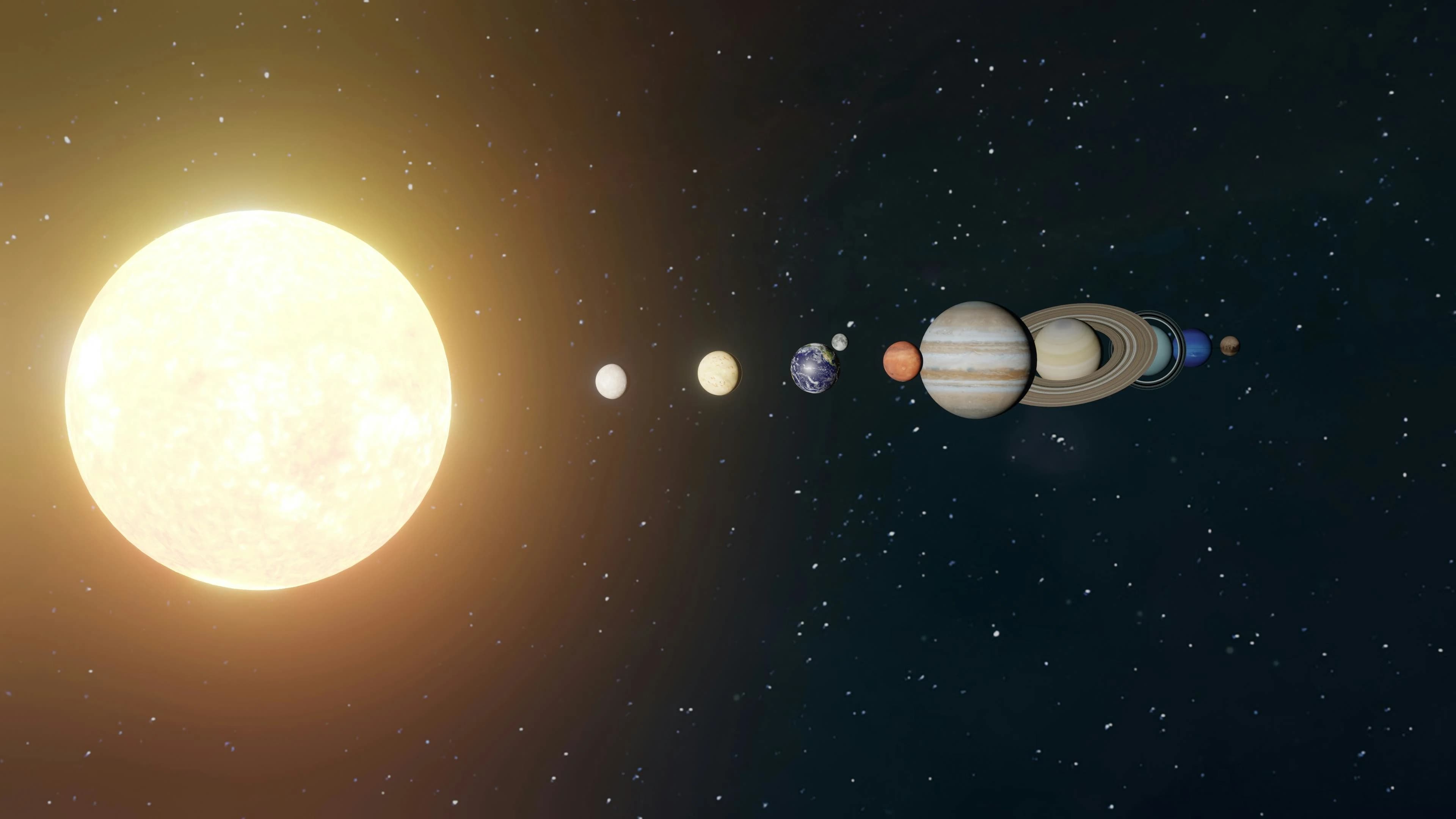
The next 100 years will also determine the fate of Earth and our place in the cosmos.
- Climate Challenges. We will reach a point where the effects of climate change become irreversible. Countering this challenge will require global cooperation and the application of new technologies. But is humanity ready for such widespread and global changes?
- Space Exploration. The colonization of Mars will be not only a technical achievement but also a redefinition of our identity. We will become an "interplanetary species," which will change our worldview and force us to think about our place in the universe.
The future of humanity will be not only a technological journey but also a psychological, moral, and existential one. We will discover new opportunities but will also be forced to confront the boundaries we have set for ourselves. The future is no longer just something to wait for, but something to actively build.
Related articles
 TechnologyJanuary 7, 2026
Artificial Intelligence: Humanity’s Last Invention or the Dawn of a New Era?
4 min read LifestyleNovember 10, 2025
When Steel Starts to Think: China’s Robots Step Out of the Lab
10 min read TechnologyOctober 30, 2025
10 Short Texts and Stories for a Quick Read
8 min read TechnologySeptember 20, 2025
iOS 26 Update Sparks Chaos: Is This Apple’s Most Controversial Design Yet?
2 min read WorldSeptember 20, 2025
Meta Introduces Ray-Ban Display Smart Glasses at $799 - A Bold Step into the Future of Mixed Reality
4 min read TechnologySeptember 15, 2025