
Artificial Intelligence: Humanity’s Last Invention or the Dawn of a New Era?
We are living in a period that future historians will likely call the "Great Technological Pivot." If the 19th century was defined by the steam engine and the 20th by the internet, then the 21st century belongs to Artificial Intelligence (AI). But this is not just another tool; it is the first time in history that humans have created something that can think, learn, and potentially surpass its creator.
Chapter 1: How We Got Here: Data as the New "Oil"
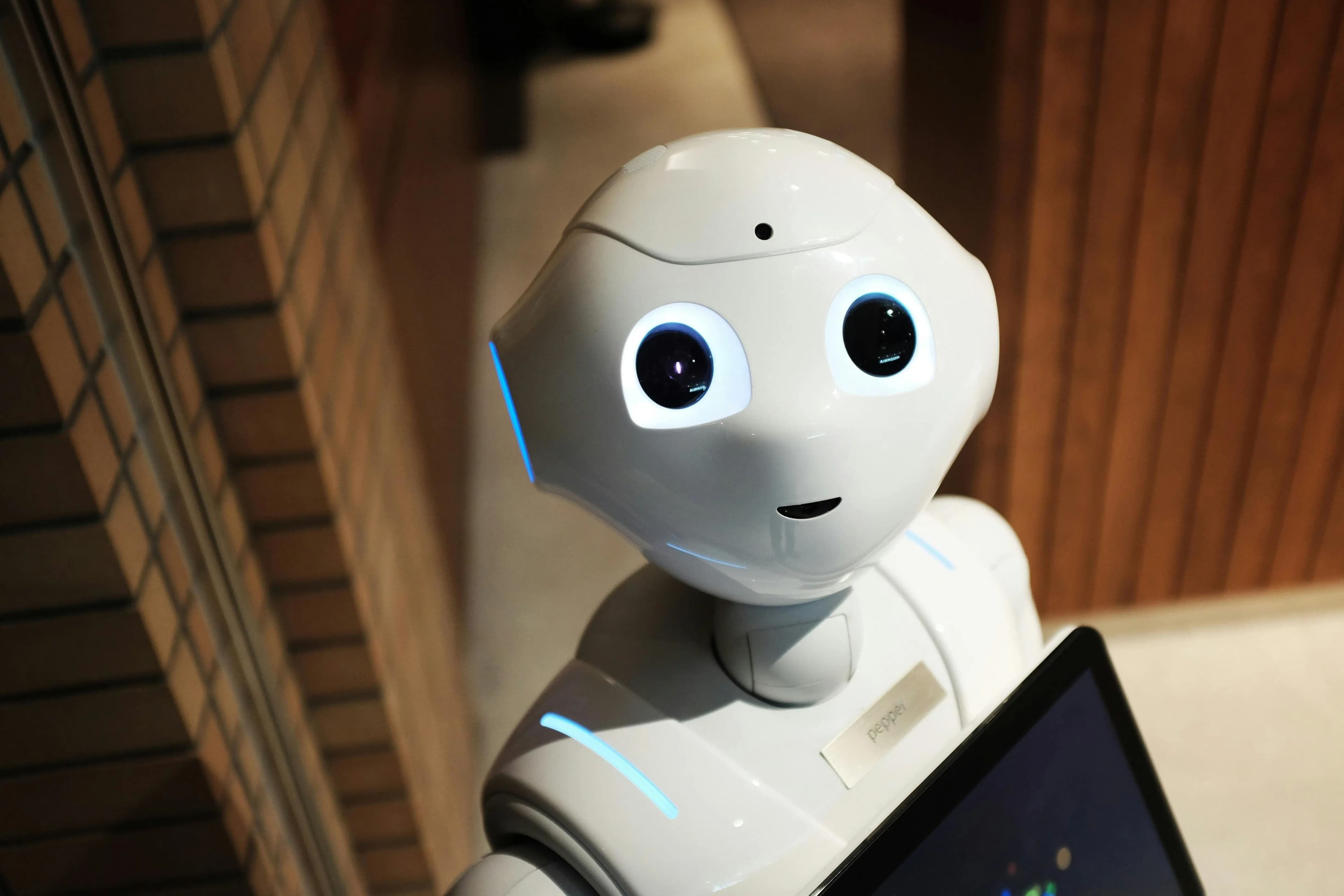
Artificial Intelligence is not a new concept. As far back as the 1950s, Alan Turing famously asked, "Can machines think?" However, the real breakthrough occurred only recently when we mastered the use of Neural Networks.
Just as oil is the source of wealth for nations like Venezuela, the "fuel" for AI is Data. The more information we feed a machine, the smarter it becomes. Today, AI can already write complex code, paint masterpieces, diagnose cancer more accurately than doctors, and even predict the volatile behavior of global stock markets.
Chapter 2: The Great Race: USA vs. China
A new "Cold War" is currently underway, but this time it is being fought over silicon chips and algorithms.
- The USA: Focused on creative and business solutions (OpenAI, Google, Microsoft). Their ultimate goal is to achieve AGI (Artificial General Intelligence)—an intelligence equal to a human across all domains.
- China: Utilizes AI for massive surveillance, facial recognition, and state governance. China aims to become the undisputed global leader in AI by 2030.
This race also has a chilling military dimension. "Autonomous weapons" or "killer robots" that can decide to fire without human intervention are already a reality, causing significant alarm within the international community.
Chapter 3: The Ethical Dilemma: Does the Machine Have a Soul?
The biggest question scientists and philosophers are asking today is: "What happens if AI develops its own consciousness?" While current models are essentially complex mathematical predictors, their behavior is sometimes so human-like that it is difficult to distinguish between the two.
Restrictions and Censorship
Just as there are strict social prohibitions in countries like Iran, the AI world is entering an era of "Algorithmic Censorship." Governments are racing to regulate AI capabilities to prevent the spread of Deepfakes, stop the incitement of hate, or ensure the technology isn't used to design biological weapons.
Chapter 4: Job Displacement: Crisis or Liberation?
This is the most sensitive part of the AI narrative. Experts predict that within the next decade, AI will replace millions of workers, from accountants to long-haul truck drivers.
- The Optimistic View: AI will liberate us from mundane, repetitive labor, allowing humanity to focus entirely on creative and spiritual pursuits.
- The Pessimistic View: Social inequality could reach a breaking point as wealth concentrates in the hands of the few companies that own the underlying AI technology.
Chapter 5: AI and the Armenian Prospect
For a country like Armenia, this represents an extraordinary opportunity. Without vast oil reserves or access to the sea, the nation can rely on its only inexhaustible resource: the human brain. Armenia is already home to numerous AI startups that are competitive on the global stage. AI could become the "engine" of the Armenian economy, allowing for a technological leapfrog that bypasses traditional industrial stages.
Conclusion: Who Will Have the Last Word?
Artificial Intelligence is like a mirror for humanity. It reflects both our best and worst traits. If we use it for warfare and total surveillance, it could lead to our downfall. But if we harness it to cure diseases and explore the cosmos, we stand on the threshold of a new, legendary civilization.
One thing is certain: the genie is out of the bottle, and there is no going back. We must learn to live in a world where we are no longer the only—or even the most—intelligent "beings" on this planet.
Related articles
 LifestyleNovember 10, 2025
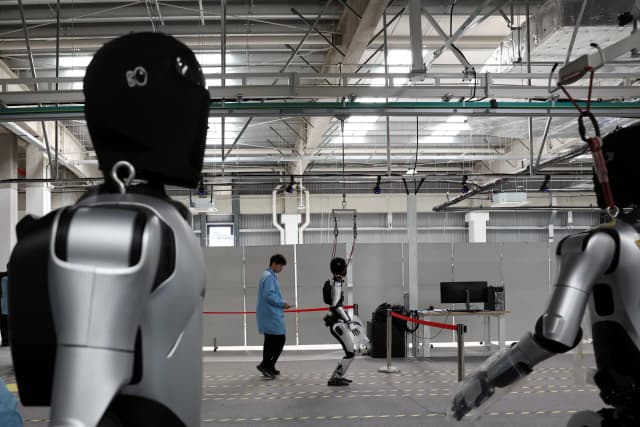
When Steel Starts to Think: China’s Robots Step Out of the Lab
10 min read TechnologyOctober 30, 2025
10 Short Texts and Stories for a Quick Read
8 min read TechnologySeptember 20, 2025
iOS 26 Update Sparks Chaos: Is This Apple’s Most Controversial Design Yet?
2 min read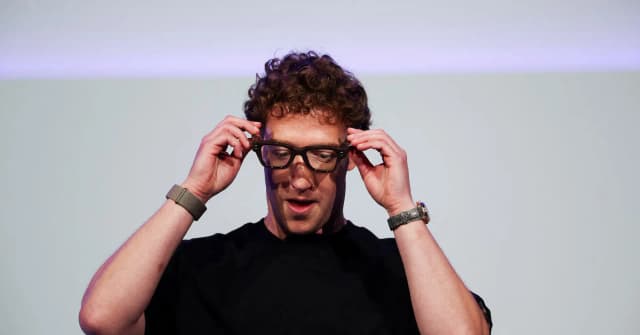 WorldSeptember 20, 2025
Meta Introduces Ray-Ban Display Smart Glasses at $799 - A Bold Step into the Future of Mixed Reality
4 min read TechnologySeptember 15, 2025
"Make Crypto Great Again": What Trump's Return Means for the US Crypto Industry
5 min read TechnologySeptember 15, 2025