
The Yerevan Metro: Secrets of a Soviet Giant
The Yerevan Metro is more than just a transportation system. It is one of the city's massive architectural and historical treasures, hidden beneath our feet.
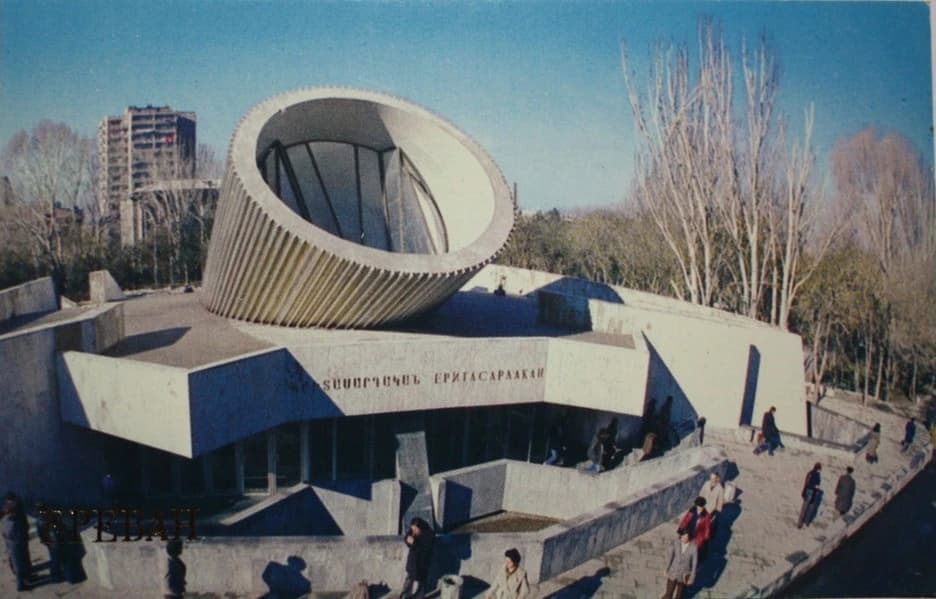
Despite its modest size - just one line, 10 operating stations—the metro holds secrets and stories of an entire era. It not only reflects the architectural and construction ambitions of the Soviet period but also reveals the will and determination of the Armenian people, even under the most difficult circumstances.
Historical Background: The Birth of the Metro in the Heart of the City
In the 1970s, Yerevan's population grew rapidly, and the city faced a serious transportation crisis. According to Soviet Union rules, a metro could only be built in cities with a population of over one million. Officially, Yerevan had not yet reached that threshold, but the city's leaders understood that a modern transportation system was needed. It is known that the city authorities at the time took a daring step: they proposed building a "high-speed tram" line, but designed the underground tunnels and stations to fully meet metro standards. This flexible approach allowed them to bypass bureaucratic obstacles in Moscow. As a result, on March 7, 1981, Yerevan became the eighth city in the USSR to open a metro, serving the public with all its "metro-like" features.
Architectural Wonders and Hidden Art
Yerevan's metro stations are true architectural masterpieces. Each station has a unique design that reflects the aesthetics of the Soviet era while preserving elements of Armenian culture. Only high-quality materials were used for the decorations: Armenian tuff, marble, granite, and metal.
- The "Barekamutyun" station, the last station of the metro, is decorated with metal ornaments symbolizing the friendship of peoples. The entrance to the station itself resembles an ancient Armenian gate.
- The "Hanrapetutyan Hraparak" station, with its opulence and harmony, echoes the architectural style of the square itself. It is decorated with dark pink marble and has a delicate but classic design.
- The "Yeritasardakan" station stands out with its powerful, concrete columns, which give the station a futuristic look, symbolizing the optimism and developmental aspirations of the era.
In addition to the main stations, other stations such as "Sasuntsi Davit," "Gortsaranayin," and "Shengavit" also have their unique style. They are decorated with reliefs, sculptures, and statues that often go unnoticed by metro passengers.
Secrets and Myths: The Invisible Side of the Underground World
The metro has always been surrounded by legends and myths. Many believe that secret passages are hidden deep within the metro tunnels, connecting government buildings and other important sites. These legends originate from the Soviet era, when it was assumed that the metro could serve as a bomb shelter or a place for secret movements. Although these stories have never been confirmed, they continue to live on in people's minds, adding to the metro's allure.
The Future of the Metro: Old Legacy and New Challenges
Today, the Yerevan Metro continues to be an important part of the city's life. However, like the city itself, the metro has its problems. Stations and trains require modernization, and it is impossible for a single line to carry the entire transportation load of the city. For this reason, there is talk of building new second and third lines, but this will require time and huge financial investments.
The Yerevan Metro is a mirror of our city. It simultaneously reflects the power of our history, the talent of our architects, and the difficulties of our times. It reminds us that the city's fate depends on how we take care of our historical heritage.
Related articles

 HistoryJanuary 7, 2026
Venezuela: The Tragic Phoenix of Latin America - From Oil Paradise to Geopolitical Nightmare
6 min read LifestyleDecember 9, 2025
Festive Tables Around the World: New Year's Traditions and Their Flavorful Nuances
9 min read LifestyleNovember 10, 2025
When Steel Starts to Think: China’s Robots Step Out of the Lab
10 min read HistoryOctober 27, 2025
How the €88 Million Heist Shook the Louvre and Awakened the Ghost of the Mona Lisa
12 min read HistoryOctober 18, 2025
The Gaza Conflict: How It Started, Why It Persists, and Where It Might Go
9 min read LifestyleOctober 10, 2025