
The World's Most Dangerous Foods
Dishes That Can Be Deadly If Not Prepared Properly
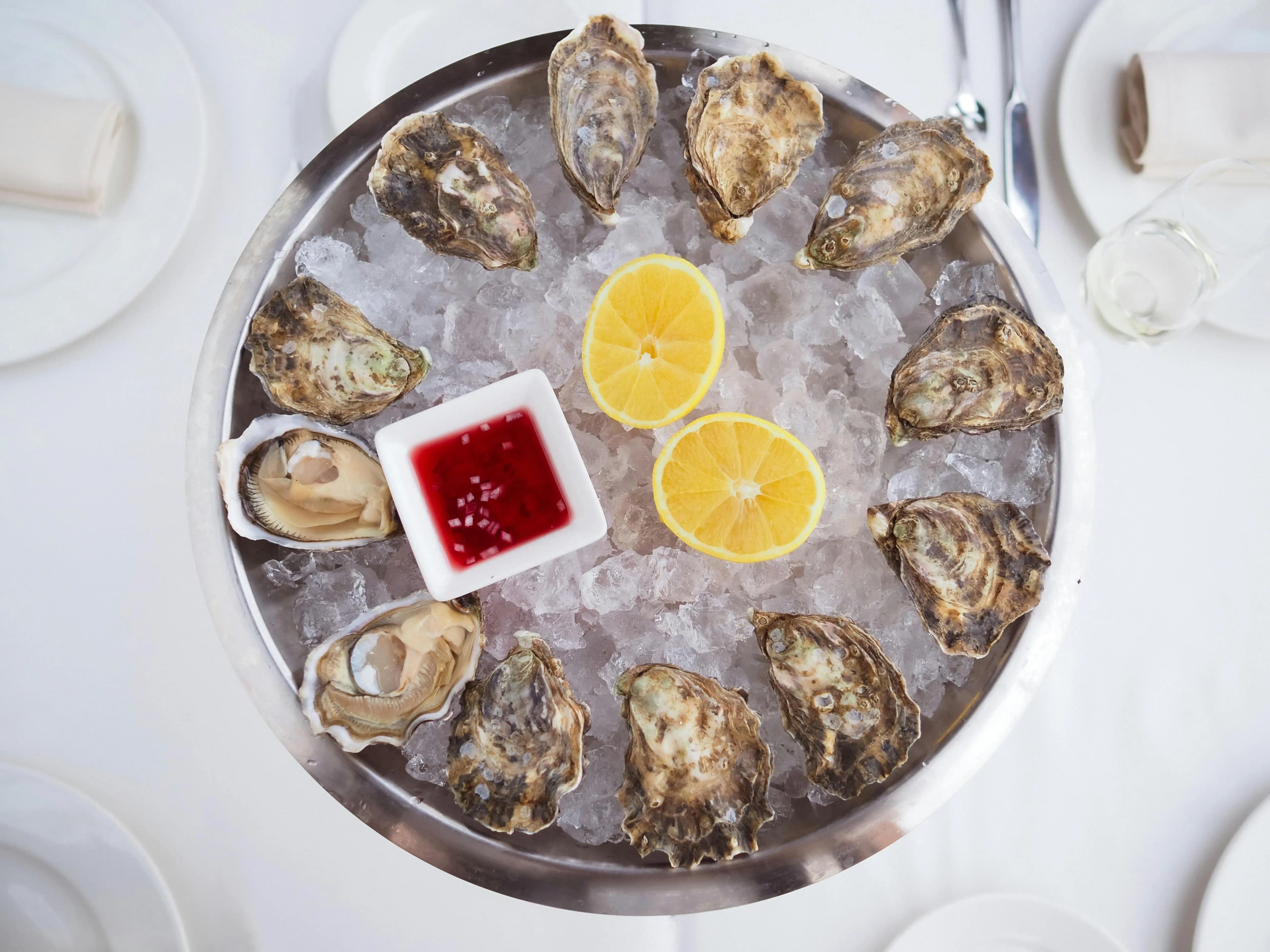
Across the globe, culinary traditions are full of exotic and unusual dishes. However, some of these foods hide deadly dangers beneath their surface. From natural toxins to improper preparation methods, certain ingredients can be fatal if mishandled. In this article, we explore the world's most dangerous foods, their history, science, and cultural significance.
1. Fugu – The Deadly Japanese Pufferfish
Fugu is one of Japan's most famous delicacies, but also one of the deadliest. Its liver, skin, and internal organs contain tetrodotoxin, a neurotoxin far more lethal than cyanide.
- Danger – as little as 2 mg of tetrodotoxin can kill an adult.
- Preparation – only highly trained, certified chefs are allowed to prepare it after years of rigorous training.
- Fact – in 1958, over 100 people died in Japan due to fugu poisoning, prompting stricter regulations.
2. Cassava
Cassava, or manioc, is a staple food across Africa, South America, and Asia. However, it contains cyanogenic glycosidesthat can produce deadly cyanide if not properly prepared.
- Risk – eating raw cassava can lead to cyanide poisoning.
- Processing – it must be peeled, soaked, and boiled thoroughly.
- Fact – improper preparation has caused widespread poisoning in parts of Africa.
3. Hakarl – Iceland’s Fermented Shark
Hakarl, Iceland’s traditional dish, is made from Greenland shark, whose flesh contains high levels of urea and trimethylamine oxide, making it toxic when fresh.
- Preparation – the shark is buried for months to ferment and then hung to dry.
- Taste – it has a strong ammonia smell and an acquired taste.
- Fun fact – even many Icelanders avoid it, while tourists see it as a daring challenge.
4. Ackee Fruit – Jamaica’s Deadly National Symbol
Ackee is Jamaica’s national fruit but can be extremely dangerous if eaten unripe. It contains hypoglycin, a toxin that causes Jamaican vomiting sickness.
- Symptoms – vomiting, seizures, and potentially death.
- Rule – only eat fully ripened ackee when the fruit naturally opens.
- Fact – hundreds of poisoning cases are reported in Jamaica annually.
5. Casu Marzu – Sardinia’s “Live” Cheese
This Sardinian cheese is deliberately infested with live larvae to accelerate fermentation, resulting in an extremely soft and creamy texture.
- Risk – eating live larvae can cause intestinal infections.
- Status – banned in the European Union but still available in Sardinian villages.
6. Red Kidney Beans
Red kidney beans contain phytohaemagglutinin, a natural toxin that can cause severe food poisoning.
- Danger – as few as four raw beans can trigger symptoms.
- Safety – soak overnight and boil for at least 10 minutes.
7. Shellfish and Mollusks
Certain shellfish accumulate paralytic shellfish toxins that are unaffected by heat.
- Effect – muscle paralysis, respiratory failure, and even death.
- Prevention – always source shellfish from verified, tested suppliers.
Exotic foods promise adventure, but they also come with risks. Before trying something new, it is essential to understand its dangers and preparation requirements. Curiosity should always be balanced with caution.
Related articles

 HistoryJanuary 7, 2026
Venezuela: The Tragic Phoenix of Latin America - From Oil Paradise to Geopolitical Nightmare
6 min read LifestyleDecember 9, 2025
Festive Tables Around the World: New Year's Traditions and Their Flavorful Nuances
9 min read LifestyleNovember 10, 2025
When Steel Starts to Think: China’s Robots Step Out of the Lab
10 min read HistoryOctober 27, 2025
How the €88 Million Heist Shook the Louvre and Awakened the Ghost of the Mona Lisa
12 min read HistoryOctober 18, 2025
The Gaza Conflict: How It Started, Why It Persists, and Where It Might Go
9 min read LifestyleOctober 10, 2025