
The Battle of Vardanants: A Struggle of Faith and Existence
One of the most significant chapters of Armenian history is the Battle of Vardanants, which took place on May 26, 451 (June 2, 451, according to the Julian calendar) on the plain of Avarayr. It was not only a military confrontation but also a clash of ideologies: the Armenian people defended their Christian faith and national identity against the Sassanian Persian Empire’s attempt to impose Zoroastrianism.
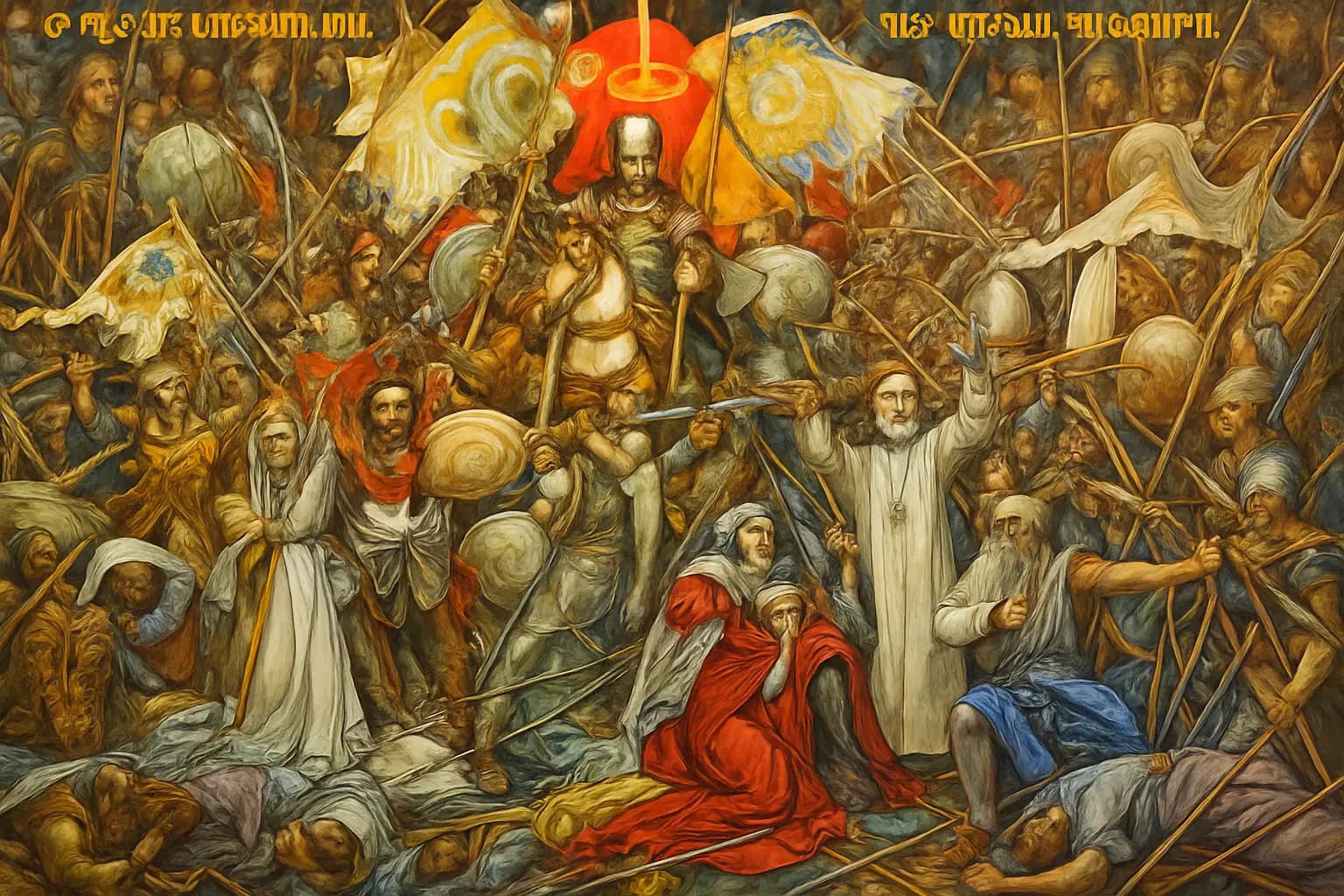
Although the battle ended in a military defeat for the Armenians, its political and spiritual consequences turned it into a victory of faith and survival. From that moment on, Armenians carried the legacy that “they died for faith, but did not betray it.”
Historical Background
- In 301, Armenia became the first nation to adopt Christianity as its state religion.
- In 428, Armenia lost its political independence and came under Sassanian control.
- King Yazdegerd II of Persia sought to force Armenians back into Zoroastrianism, regarding Christianity as a political threat.
- The Armenian nobles (nakharars), led by Vardan Mamikonian, refused to abandon their faith.
Vardan, the Sparapet (commander-in-chief), became the central figure of resistance, uniting nobles, clergy, and ordinary people in the defense of faith and homeland.
Preparation for War
In early 451, the Armenian nobles gathered in Artashat and swore to resist.
- The Armenian army numbered about 60,000 soldiers, including nobles, peasant levies, and clergy.
- Catholicos Hovsep Parthev blessed the army and inspired them before the battle.
Before the fight, Vardan Mamikonian famously declared:
“Every man must be ready to give his life for his faith and his homeland.”
The Battle of Avarayr
- The battle took place on the plain of Avarayr (Vaspurakan region, near present-day Van).
- The Sassanian army was overwhelming, with about 220,000 troops, including elite cavalry and war elephants.
- The Armenians were far fewer in number and had less equipment.
On May 26, 451, the battle began.
- The Armenians fought heroically but were eventually overpowered.
- Vardan Mamikonian was killed, along with about 1,036 Armenian nobles and thousands of soldiers.
- Despite the loss, the clergy and people proclaimed their unwavering faith. Catholicos Hovsep Parthev declared:
- “Following Christ, we will not betray our faith.”
Aftermath and Consequences
Though defeated on the battlefield, the Armenians achieved a moral and political victory:
- They did not renounce Christianity.
- Resistance continued in the following decades.
- Eventually, under Vahan Mamikonian, the Armenians forced the Persians to recognize their right to practice Christianity through the Treaty of Nvarsak (484 AD).
- The battle strengthened Armenian national identity, becoming a symbol of faith and survival.
Numbers and Facts
- Armenian army: about 60,000 soldiers.
- Sassanian army: about 220,000 soldiers, including war elephants.
- Armenian losses: Vardan Mamikonian, ~ 1,036 nobles, thousands of soldiers.
- Sassanian losses: about 10,000 killed, many wounded.
- Duration: one decisive day, with centuries-long impact.
The Battle of Vardanants showed that even defeat can become the foundation of a spiritual and national triumph. The Armenian people refused to abandon Christianity and remained true to their identity.
The sacrifice of Vardan Mamikonian and his companions became a lasting symbol of faith, patriotism, and self-sacrifice, inspiring generations of Armenians up to the present day.
Related articles
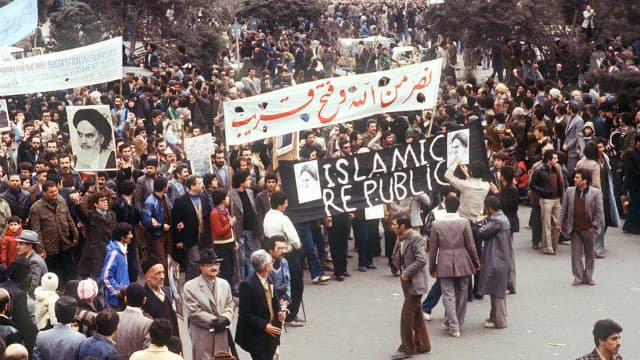
 HistoryJanuary 7, 2026
Iran: From a Millennial Empire to the Strict Mandates of the Islamic Republic
5 min read HistoryJanuary 7, 2026
Venezuela: The Tragic Phoenix of Latin America - From Oil Paradise to Geopolitical Nightmare
6 min read LifestyleDecember 9, 2025
Festive Tables Around the World: New Year's Traditions and Their Flavorful Nuances
9 min read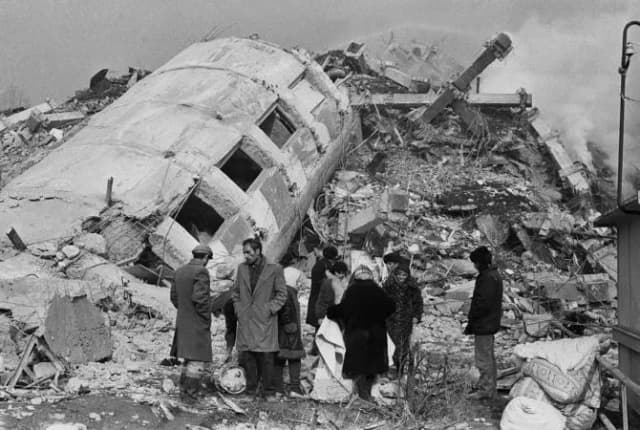 HistoryDecember 8, 2025
The Spitak Earthquake: History and Statistics of a Catastrophe (December 7, 1988)
7 min read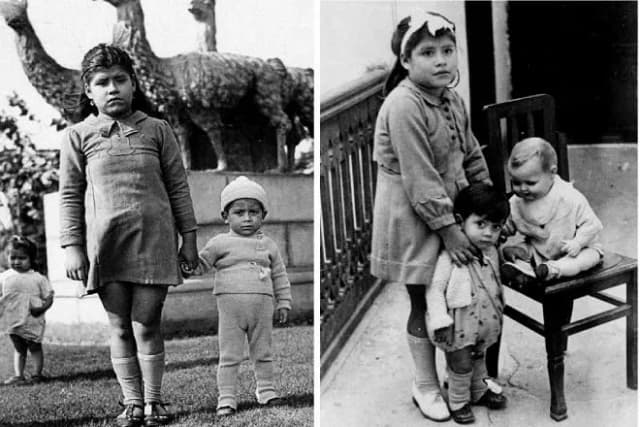 HistoryNovember 17, 2025
The Horrifying but True Story of a 5-Year-Old Who Became a Mother
4 min read HistoryNovember 7, 2025