
The Last Samurai: The True Story of Saigo Takamori
The image of the samurai - a loyal, unwavering, and honorable warrior - has been a spiritual symbol of Japan for centuries.
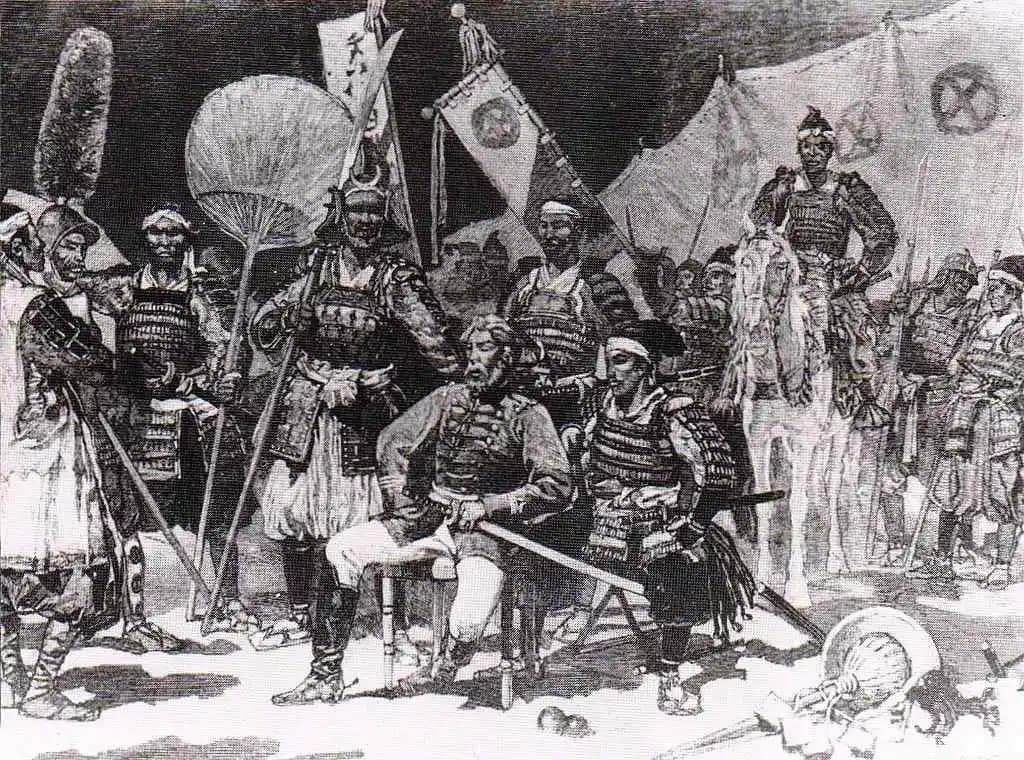
In the mid-19th century, as the country opened its doors to the Western world, the samurai era was drawing to a close. At the heart of this turbulent change stood a man who became the symbol of a bygone era and entered history as "The Last Samurai." His name was Saigo Takamori.
The Revolutionary Who Defended the Ancient
Saigo Takamori (1828-1877) was born into the Satsuma clan, known for its martial traditions and strong samurai spirit. He was not a nobleman, but a low-ranking samurai who, through his talent, charisma, and moral integrity, rose to the level of an influential general.
In the 1860s, Japan was in a political crisis. The power of the shogun had weakened, and the opening of Japan's ports to Western nations led to widespread discontent among the samurai and the general population. Saigo became one of the leaders of the movement that aimed to restore imperial power and end the centuries-old rule of the shogunate.
He played a crucial role in the Meiji Restoration (1868), which reinstated the emperor's true power and marked the beginning of Japan's modernization. In the eyes of many, he was a hero who fought to preserve the country's independence and identity.
Betrayal or Vision?
After the Meiji Restoration, however, Saigo found himself in a situation that went against his principles. The new government began actively modernizing Japan by adopting Western military, political, and economic systems. The samurai class, which had been the ruling elite for centuries, was losing its status and privileges.
Saigo Takamori, who upheld the samurai code of bushido, could not accept these changes. He resigned from the government and returned to his native Satsuma, where he founded samurai academies in an attempt to preserve the samurai spirit. He believed that the new government had forgotten its roots and betrayed the ideals of their struggle.
The Satsuma Rebellion (1877)
In 1877, the discontent of the samurai erupted into an open rebellion. Under Saigo's leadership, thousands of samurai rose up against the imperial army, which was now modernized and equipped with Western weapons.
This conflict is known in history as the Satsuma Rebellion. It was the last great clash between classical samurai warriors and a modern army. Despite the incredible bravery of Saigo's forces, they were defeated in the battle.
During the final moments of the battle, as Saigo and his remaining soldiers were surrounded, he performed seppuku - a ritual suicide - to preserve his honor, according to tradition. Although his remains were never found, his death became the final act of the samurai era.
The life of Saigo Takamori is a complex story of loyalty, honor, and the struggle against change. He was a man who believed that modernization should not mean the loss of identity. He was not just a hero of the revolution, but also a tragic symbol of a bygone era. His figure continues to inspire writers and filmmakers around the world, immortalizing him as "The Last Samurai."
Related articles
 HistoryJanuary 7, 2026
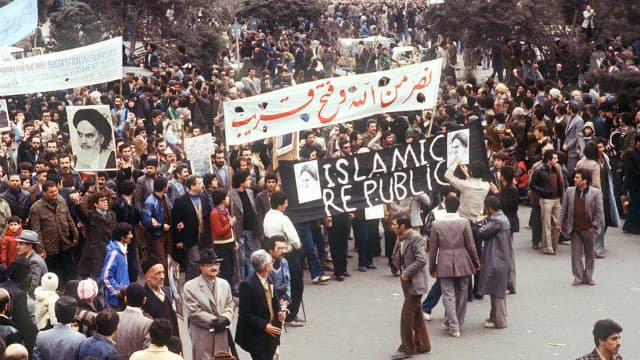
Iran: From a Millennial Empire to the Strict Mandates of the Islamic Republic
5 min read HistoryJanuary 7, 2026
Venezuela: The Tragic Phoenix of Latin America - From Oil Paradise to Geopolitical Nightmare
6 min read LifestyleDecember 9, 2025
Festive Tables Around the World: New Year's Traditions and Their Flavorful Nuances
9 min read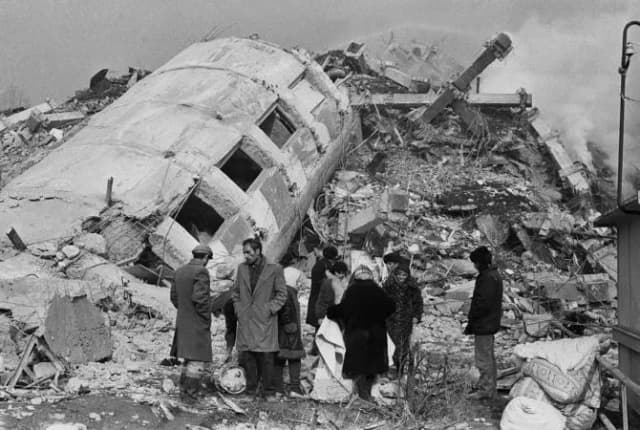 HistoryDecember 8, 2025
The Spitak Earthquake: History and Statistics of a Catastrophe (December 7, 1988)
7 min read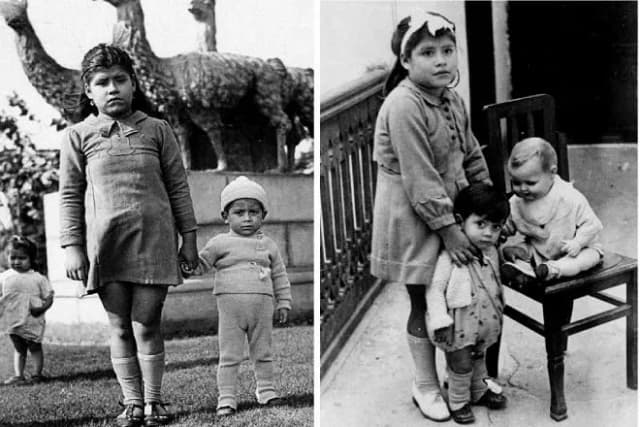 HistoryNovember 17, 2025
The Horrifying but True Story of a 5-Year-Old Who Became a Mother
4 min read HistoryNovember 7, 2025