
Soviet Everyday Life: The Art of Living "Without"
While histories of the Soviet Union often focus on grand events like revolutions, wars, space conquests, and political repressions, a complex and unique world lay hidden behind it all: the everyday life of the Soviet person.
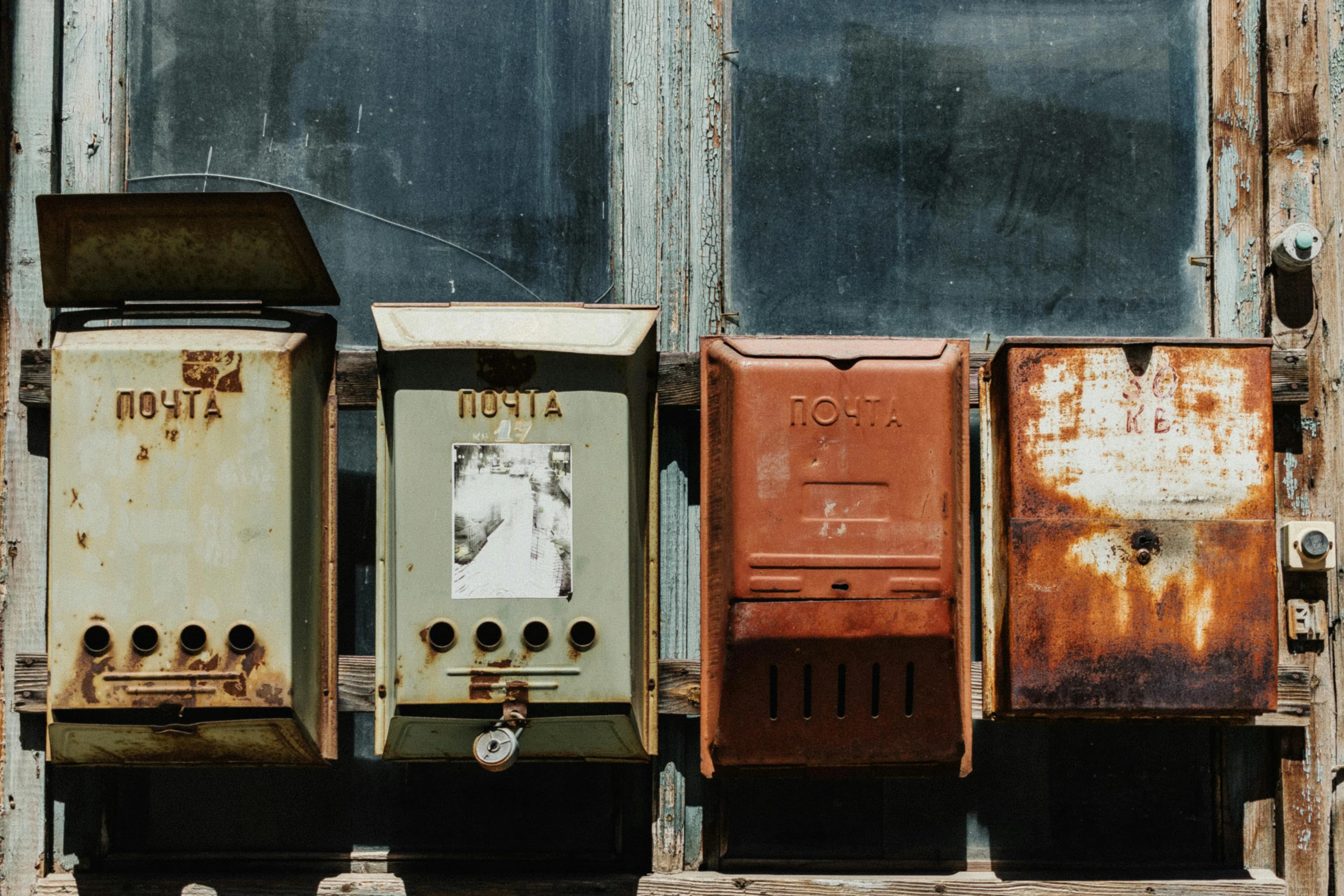
It was a life lived not as "how," but as "how, without." Without choice, without luxury, but at the same time, full of human creativity, unique social connections, and always-watchful eyes.
"Komunalkas" and the Absence of Personal Space
One of the most common symbols of Soviet life was the communal apartment, the "kommunalka." These were large apartments where several families lived together, sharing a common kitchen, bathroom, and hallway. This was not just a solution to the housing problem, but also a psychological phenomenon. There was almost no personal space, and every step was monitored by neighbors. However, the "kommunalka" was not only a difficulty; it forced people to interact more, help each other, and even become friends. It was a place where stories were born, shared dinners were created, and neighbors often became like family members.
The Psychology of Queues: The Art of Time
If the "kommunalka" was a place, then the queue was time that people spent together. Standing in line was an inseparable part of Soviet daily life. People queued for everything: bread, milk, rare goods, and even tickets. These queues were not just physical lines, but also a place for information exchange. There, people learned news, discussed government decisions, and shared their life stories. The queue taught people patience, and sometimes also cunning, in order to secure a place.
The Era of Deficit: How "Blat" Worked
One of the biggest challenges of the Soviet economy was the deficit—the shortage of goods. Ordinary items, such as quality clothing, appliances, and even some food products, rarely appeared on store shelves. Under these conditions, a phenomenon was born: "blat," a system of personal connections and acquaintances. People helped each other to find the necessary goods. It was a unique "micro-economy" where money was not the main thing, but rather connections. This situation forced people to be very creative and resourceful, using everything to get what they needed. One of the symbols of this era was also the "avoska"—a string bag that people always carried with them, because you never knew when and where a scarce item would "be thrown in" (added).
The Dacha Culture: An Escape to Nature
The "dacha," or summer house, was more than just a place of rest for the Soviet person. It was a small island of freedom and independence, far from the strict city life. People grew vegetables and fruits there and simply spent their free time. Dachas became places for family and friendly gatherings, where it was possible to feel more relaxed and sincere than in the city.
Thus, Soviet daily life, despite all its difficulties, was not just about survival but about living, with its unique rules and social structure. It forced people to be more attentive to each other and to rely on their creativity to live. This story shows the resilience of the human spirit, which can flourish even under the most difficult conditions.
Related articles
 HistoryJanuary 7, 2026
Iran: From a Millennial Empire to the Strict Mandates of the Islamic Republic
5 min read HistoryJanuary 7, 2026
Venezuela: The Tragic Phoenix of Latin America - From Oil Paradise to Geopolitical Nightmare
6 min read LifestyleDecember 9, 2025
Festive Tables Around the World: New Year's Traditions and Their Flavorful Nuances
9 min read HistoryDecember 8, 2025
The Spitak Earthquake: History and Statistics of a Catastrophe (December 7, 1988)
7 min read HistoryNovember 17, 2025
The Horrifying but True Story of a 5-Year-Old Who Became a Mother
4 min read HistoryNovember 7, 2025