
Socrates: Words of a Man Who Changed the World
He never wrote a single word, yet his name has been passed down for centuries. He was a man who changed the course of philosophy, bringing it down from the celestial spheres of the cosmos to the everyday questions of human life.
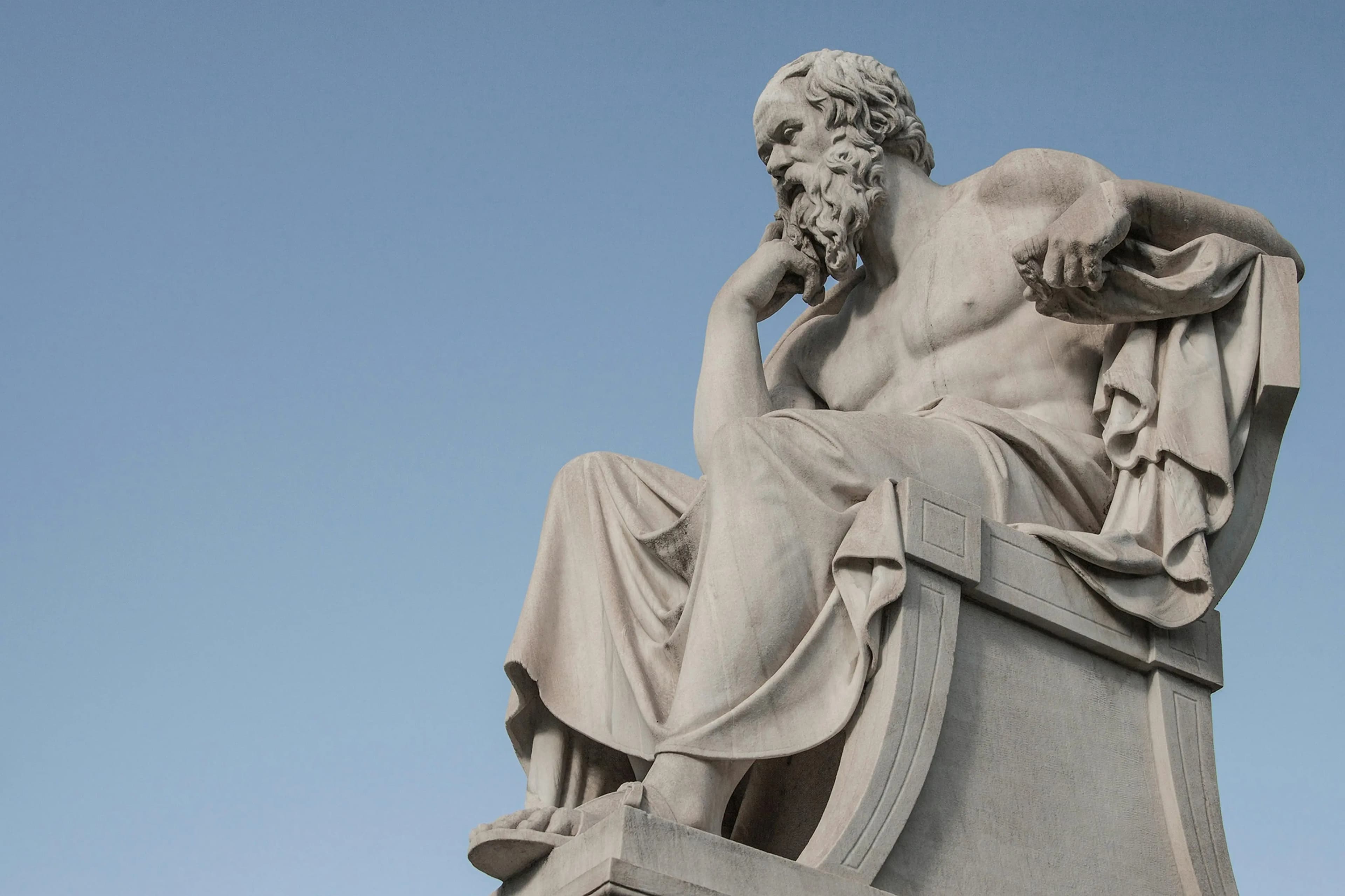
He was Socrates - the Greek philosopher whose thoughts reached us through his disciples, especially Plato. Socrates's philosophy centered on humanity, morality, knowledge, and the pursuit of happiness.
The Beginning of Wisdom: "I know that I know nothing."
This is Socrates's most famous and, at the same time, most profound statement. It isn't a declaration of ignorance but an acknowledgment of true wisdom, which begins with recognizing one's own limitations. When we accept that we don't know everything, we become ready to learn and acquire new knowledge. This idea embodies his "Socratic method," which, through questioning, compels people to discover the truth on their own.
The Meaning of Life: "An unexamined life is not worth living."
Socrates urged people to constantly analyze their lives, actions, values, and goals. For him, life became meaningful only when it was conscious and subjected to scrutiny. Only by reflecting on our deeds and their consequences can we become better individuals. This idea is one of the most important tenets of self-knowledge and personal growth.
Virtue and Knowledge: "Virtue is knowledge."
Socrates argued that if a person knows what is right and good, they will surely act accordingly. He believed that no one does evil if they realize its negative consequences. This means that evil deeds are the result of ignorance or false beliefs. Therefore, the only path to moral perfection is knowledge.
Socrates also believed that "The wise man doesn't love wealth, but wisdom." He was indifferent to material possessions and valued the development of the inner world and soul over external riches.
Education and the Power of Questions: "I cannot teach anyone anything, I can only make them think."
This quote perfectly describes Socrates's teaching method. He didn't provide ready-made knowledge but helped people discover the truth on their own by reflecting and answering his questions. His goal wasn't to "feed" people with information but to teach them how to "hunt" for it independently.
Other Famous Socrates Quotes
- "When desires are tamed, that is true wealth." Socrates valued self-control and moderation. He believed that a person's true freedom isn't in the quantity of what they own, but in their ability to control their own desires. A person who can limit their desires is already wealthy because they aren't dependent on external goods.
- "The only source of knowledge is experience." Although Socrates often spoke of examining truths, he also emphasized that knowledge is acquired through real-life experience. Theoretical knowledge is important, but it becomes complete only when put into practical use.
- "The best is what you are best at." This saying highlights the importance of individual virtue. Socrates believed that every person should find their strengths and develop them, thereby becoming more useful both to themselves and to society.
- "Goodness is not for those who do not do evil, but for those who actively do good." Socrates was not satisfied with simply avoiding evil. He believed that true goodness isn't passive but an active pursuit that requires constant effort and willpower to create good for people and the world.
Socrates's words hold eternal value. His ideas continue to inspire people on the path of self-knowledge, wisdom, and morality. He proved that true wisdom isn't knowing the answers but having the ability to ask the right questions.
Related articles
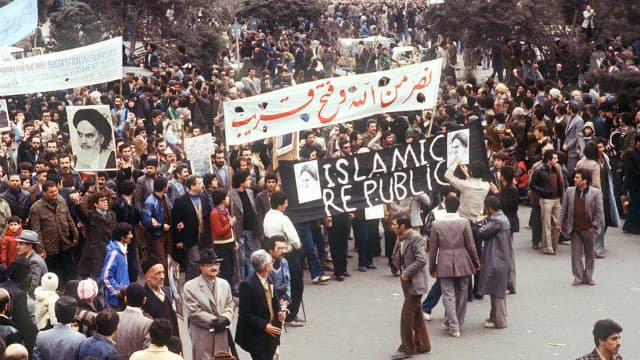
 HistoryJanuary 7, 2026
Iran: From a Millennial Empire to the Strict Mandates of the Islamic Republic
5 min read HistoryJanuary 7, 2026
Venezuela: The Tragic Phoenix of Latin America - From Oil Paradise to Geopolitical Nightmare
6 min read LifestyleDecember 9, 2025
Festive Tables Around the World: New Year's Traditions and Their Flavorful Nuances
9 min read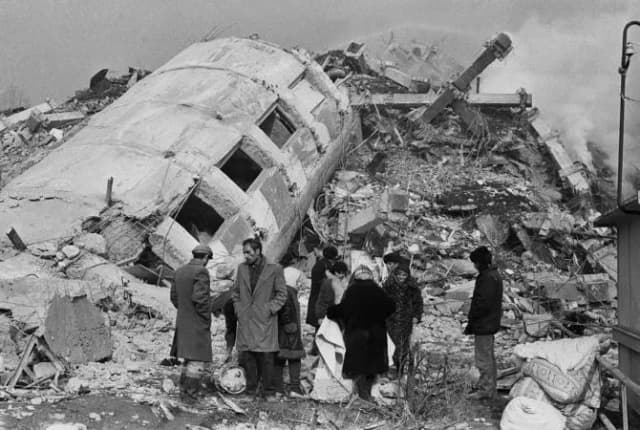 HistoryDecember 8, 2025
The Spitak Earthquake: History and Statistics of a Catastrophe (December 7, 1988)
7 min read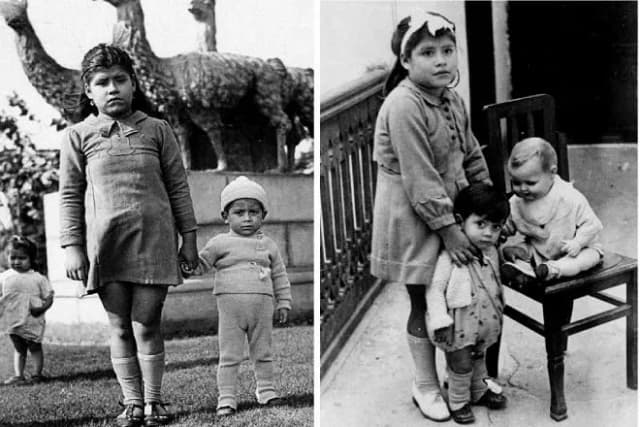 HistoryNovember 17, 2025
The Horrifying but True Story of a 5-Year-Old Who Became a Mother
4 min read HistoryNovember 7, 2025