
The Science of Armenian Wine: How Chemistry, Biology, and Geology Create the Taste of Areni
When we hold a glass of Areni, we sense the aroma of red berries, a velvety taste, and a rich history. But behind that glass lies an entire science—an interweaving of chemical reactions, biological processes, and geological wonders.
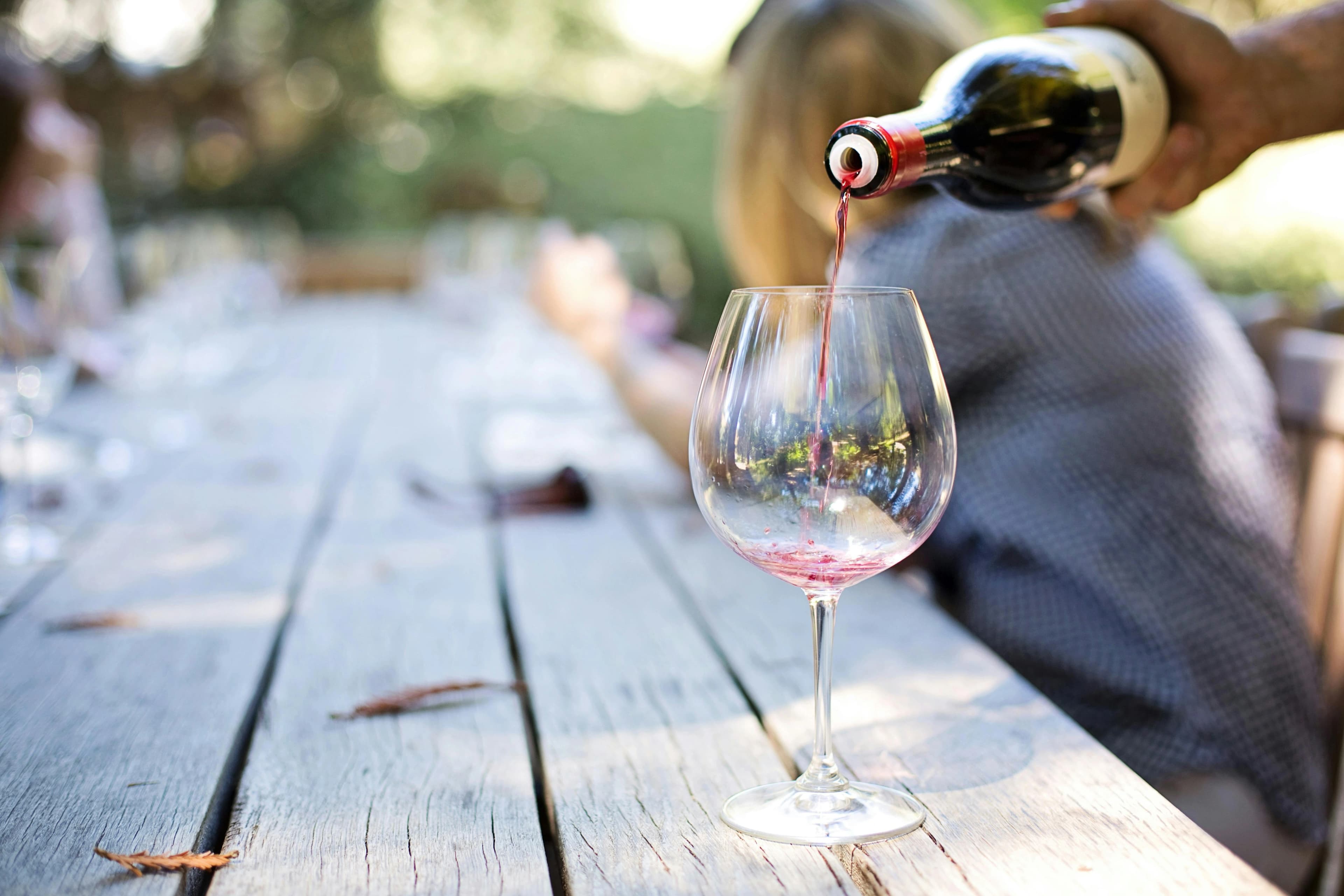
This is a fascinating journey into the scientific side of winemaking, revealing how the collaboration between nature and humanity gives birth to legendary Armenian wine.
Terroir: The Wine's "Address" and Character
In the world of wine, there is a seemingly untranslatable word: terroir. In French, it simply means "soil," but in reality, it's a much broader concept. Terroir is the sum of all natural factors that affect the grapes, shaping their unique character. These include:
- Soil Composition: Minerals, limestone content, volcanic rocks.
- Climate: The number of sunny days, precipitation, air temperature.
- Geography: Altitude above sea level, the slope of the vineyards.
What makes the terroir of Vayots Dzor so unique?
The terroir of Vayots Dzor, where the Areni grape grows, is one of the most unique in the world. It is situated at an altitude of 1,000 to 1,800 meters (3,300 to 5,900 feet) above sea level. This high elevation creates significant temperature variations between day and night. During the heat of the day, the grapes ripen and accumulate sugar, while the cool nights help them retain their acidity and freshness.
The soil is predominantly rocky, rich in volcanic rock and limestone. This seemingly poor soil forces the vine to "struggle," sending its roots deep in search of minerals. As a result, the grapes receive not a lot of water but a high concentration of minerals, which gives the wine a complex, multi-layered taste and mineral undertones.
Fermentation: The Biological Miracle
Once the grapes reach the winery, a kind of magic begins, which in scientific terms is called fermentation. This is a biological process where the main actors are microscopic fungi: yeasts.
- What happens? Yeasts "eat" the natural sugars (fructose and glucose) in the grape juice and convert them into two main components: ethyl alcohol and carbon dioxide gas.
This process must occur under strictly controlled temperature conditions. If the temperature is too high, the yeasts can become "stressed" and produce unpleasant aromas. If it's too low, fermentation can slow down or stop altogether. The winemaker's skill lies in maintaining this delicate balance.
Red vs. White: What's the Technological Difference?
Many people assume that red wine is made from red grapes and white wine from white grapes. This is only partially true. The main difference lies in the technique, specifically in the contact with the grape skins.
- Red Wine (Areni): The grapes are crushed, and the resulting juice (must) is fermented together with the skins, seeds, and sometimes even the stems. It is the skin that contains the pigments (anthocyanins) that give the wine its red color and the tannins that provide structure and a slight astringency. This skin contact can last from a few days to several weeks.
- White Wine: The grapes are crushed, and the juice is immediately separated from the skins and seeds. Only the clean juice undergoes fermentation. This is why it's possible to make white wine even from some varieties of red grapes.
The Role of the Barrel: Where Chemistry Meets Art
After fermentation is complete, some high-quality red wines, including the best examples of Areni, are transferred to oak barrels for aging. This is the wine's "maturation" phase, where slow chemical transformations take place.
The oak wood allows a very small amount of oxygen to penetrate the wine (micro-oxidation). This process softens the wine's tannins, making it feel more velvety. Additionally, the wine extracts numerous aromatic compounds from the wood.
- Vanillin: Imparts a delicate aroma of vanilla.
- Lactones: Create notes of coconut and nuts.
- Eugenol: Adds hints of clove and spice.
It is this chemical interaction that adds another layer of complexity to the wine that cannot be achieved in any other way.
Interview with a Wine Technologist: "Wine is a Living Organism"
Question: What is the most crucial decision for a winemaker, one that determines the fate of the wine?
Answer: Perhaps the most important decision is choosing the right day to harvest. This isn't just a date on a calendar. We constantly measure the sugar and acidity levels in the grapes. You have to find that perfect moment when the sugar is sufficient to produce the desired alcohol level, but the acidity is still high enough to keep the wine fresh and vibrant. A difference of just a few days can completely change the style of the wine.
Question: What role does technology play in modern Armenian winemaking?
Answer: Technology is our tool to avoid spoiling what nature has given us. Modern equipment allows us to control fermentation temperatures with the precision of a single degree, gently press the grapes without damaging the seeds, and protect the wine from unwanted contact with oxygen. But technology cannot create good wine from bad grapes. Everything starts in the vineyard. Our goal is to carefully bottle the full potential of the Vayots Dzor terroir and the Areni grape. Ultimately, wine is a living organism: it is born, it develops, it matures, and it dies. Our job is to accompany it on that journey.
So, the next time you taste an Armenian Areni, remember that in your glass is not just grape juice, but also the minerals of volcanic soil, the energy of the mountain sun, the unseen work of yeast, and the mastery of the winemaker, who have all come together to create this liquid masterpiece of science and art.
Related articles

 HistoryJanuary 7, 2026
Venezuela: The Tragic Phoenix of Latin America - From Oil Paradise to Geopolitical Nightmare
6 min read LifestyleDecember 9, 2025
Festive Tables Around the World: New Year's Traditions and Their Flavorful Nuances
9 min read LifestyleNovember 10, 2025
When Steel Starts to Think: China’s Robots Step Out of the Lab
10 min read HistoryOctober 27, 2025
How the €88 Million Heist Shook the Louvre and Awakened the Ghost of the Mona Lisa
12 min read HistoryOctober 18, 2025
The Gaza Conflict: How It Started, Why It Persists, and Where It Might Go
9 min read LifestyleOctober 10, 2025