
North Korea: Unveiling the Enigmatic State
North Korea, officially known as the Democratic People's Republic of Korea (DPRK), is one of the world's most closed and tightly controlled states.
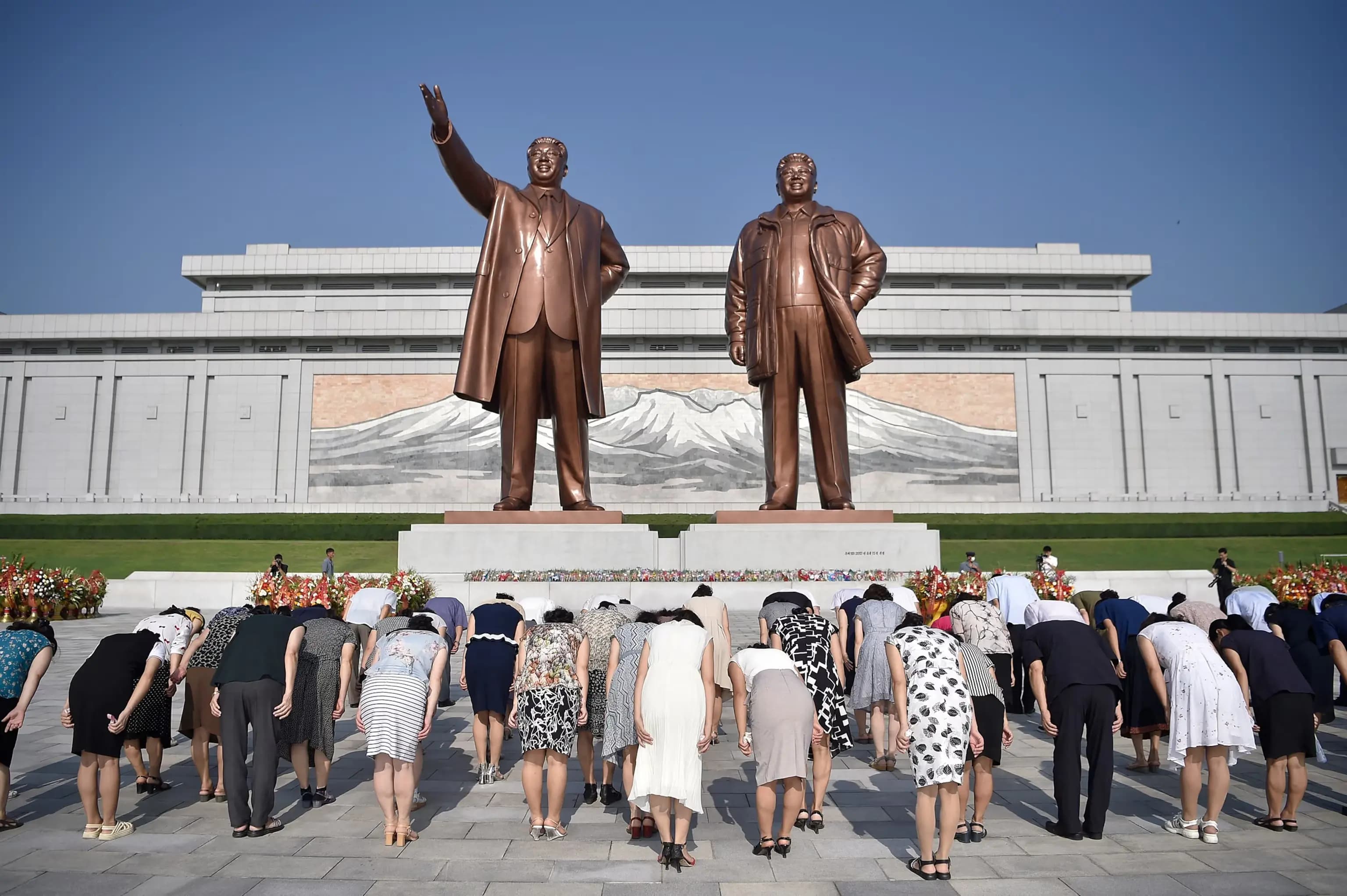
This country, which has made itself a "hermit kingdom," remains an enigma to the world in terms of its politics and daily life. Its history, political structure, and the everyday lives of its citizens differ from almost every other nation on Earth.
A Historical Journey: How Korea Was Divided
Before World War II, the Korean Peninsula was a single, unified state that had been under strict Japanese colonial rule for nearly 35 years (1910-1945). After the war ended in 1945, Korea was liberated, but not as a single state. Instead, it was divided into two spheres of influence: the north under the control of the Soviet Union and the south under the influence of the United States. This temporary division, meant to facilitate a future reunification, became permanent due to the start of the Cold War.
In the north, with the support of the USSR, the communist leader Kim Il Sung came to power. In the south, a capitalist government was established with the support of the U.S. In 1950, Kim Il Sung's forces invaded South Korea in an attempt to forcibly unify the peninsula. This marked the beginning of the Korean War, which lasted three years and ended not with a victory, but with an armistice. As a result, Korea remained split into two separate nations, North and South Korea, with the Demilitarized Zone (DMZ) becoming the world's most heavily fortified border.
Ideological and Political Foundations: The Juche Theory
The foundation of North Korea's system of government is the Juche (Juche) ideology, created by Kim Il Sung. Juche translates to "self-reliance" or "self-sufficiency." The main goal of this ideology is to make the country completely independent and self-sufficient in all aspects - political, economic, and military. Juche is more than just a political theory; it has become a unique religion in the country, where the leaders of the Kim dynasty - Kim Il Sung, Kim Jong Il, and the current leader Kim Jong Un - are glorified as demigods.
Daily Life and Tight Control
The DPRK government maintains strict control over its citizens, limiting their freedoms in every way.
- Information Control: All media outlets (television, radio, newspapers) are under complete state control. Citizens do not have access to the global internet or international news sources. The country operates an internal network called "Kwangmyong," where content is heavily censored.
- Political Prison Camps: Any dissent or disloyalty to the authorities can lead to severe punishment. People can be sent to political prison camps, known as "Kwanliso." In many cases, not only the "offender" but their entire family can be punished.
- Social Classification: Every citizen is classified according to their family's political loyalty through the "Songbun" system. This system determines a person's future, from their education to their career opportunities.
- Travel Restrictions: North Korean citizens cannot travel freely within the country without proper permits. Leaving the country is considered a serious crime, and defectors are often killed at the border.
Intriguing Facts That Will Amaze You
- Mandatory Haircuts: The state has officially approved about 28 official haircut styles—14 for men and 14 for women. No other styles are permitted.
- World's Largest Stadium: Pyongyang is home to the Rungrado 1st of May Stadium, which seats 150,000 people. It is used for massive state-organized performances known as the "Arirang" festivals.
- The Country's Calendar: North Korea uses the "Juche" calendar, not the Gregorian one. Its years are counted starting from 1912, the year of Kim Il Sung's birth. For example, 2024 is the 112th year of the Juche calendar.
- North Korean Formula 1: Although it may sound unbelievable, North Korea has its own symbolic Formula 1 race called "Pyongyang F1." It does not meet international standards but, nonetheless, it exists.
International Relations and Nuclear Program
North Korea is isolated from the international community. The country's nuclear weapons and ballistic missile programs have led to extensive international sanctions. Despite this, Pyongyang continues to develop its military capabilities, viewing it as the only guarantee of the nation's survival. Its only consistent ally and trading partner is China, which provides economic and political support to the DPRK, preventing its complete collapse.
North Korea remains a unique example of a totalitarian regime in the 21st century. It is a country where individual freedoms are sacrificed for the state's supreme interests, and citizens' lives are completely controlled. Despite its isolation, this country continues to be a significant player in global politics due to its nuclear program.
Related articles
 HistoryJanuary 7, 2026
Iran: From a Millennial Empire to the Strict Mandates of the Islamic Republic
5 min read HistoryJanuary 7, 2026
Venezuela: The Tragic Phoenix of Latin America - From Oil Paradise to Geopolitical Nightmare
6 min read LifestyleDecember 9, 2025
Festive Tables Around the World: New Year's Traditions and Their Flavorful Nuances
9 min read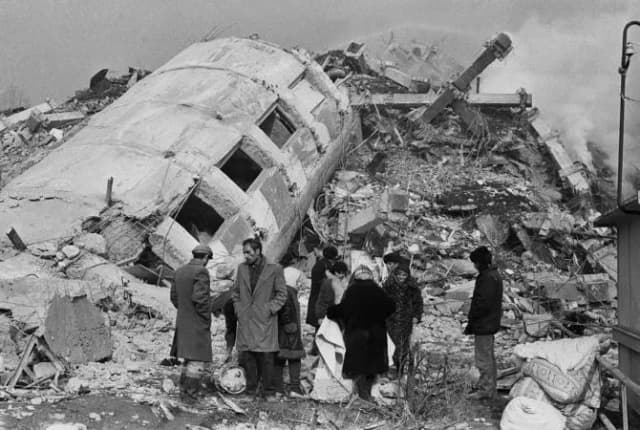 HistoryDecember 8, 2025
The Spitak Earthquake: History and Statistics of a Catastrophe (December 7, 1988)
7 min read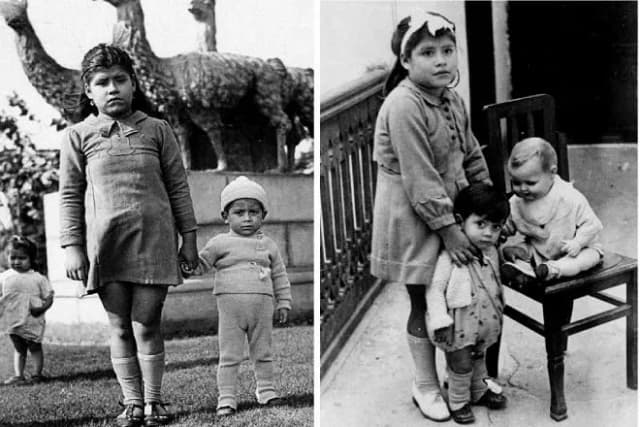 HistoryNovember 17, 2025
The Horrifying but True Story of a 5-Year-Old Who Became a Mother
4 min read HistoryNovember 7, 2025