
The Web Weaved by New Julfa’s Armenian Merchants
In the 17th century, while kings waged wars and empires fought for dominance, a small group of Armenian merchants built an invisible empire. Without armies, fleets, or colonies, they created a global trade network stretching from Amsterdam to Tibet.
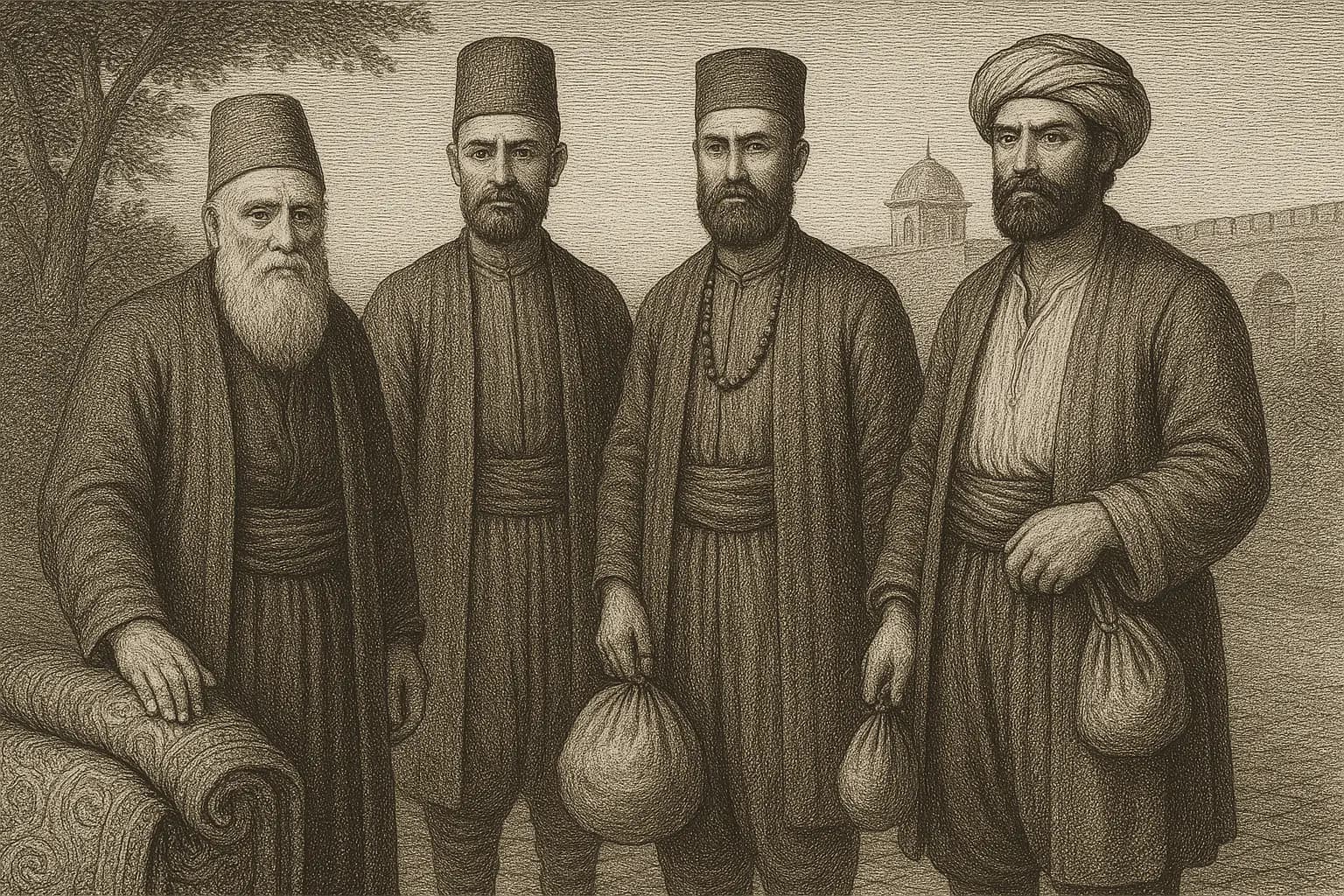
Who They Were
In 1604, Shah Abbas I forcibly relocated thousands of Armenians from the city of Julfa to New Julfa near Isfahan. Instead of falling into despair, the Armenians turned their new home into a thriving hub of international trade.
From New Julfa, their network expanded across continents - Persia, India, Russia, the Ottoman Empire, Europe, and China - connecting markets like never before.
Masters of Silk and Spices
Their wealth came primarily from Persian silk, but their trade extended to almost everything of value:
- Silk shipments from Persia to Venice and Amsterdam
- Gems and gold from India to Europe
- Spices and perfumes from Syria and Tibet
- Persian carpets and wines to the Mediterranean
- Books, manuscripts, and works of art
They pioneered what we might call today a multi-continental trade model - long before globalization became a concept.
The Network of Trust
Unlike Europeans, who relied on colonial power and force, Armenians relied on trust.
- A merchant in Amsterdam could transfer money knowing his partner in Madras would receive it without fail.
- No banks, no contracts - just the power of reputation.
- They created an early form of a decentralized financial network, centuries before modern banking.
Cultural Legacy
Their impact was not limited to wealth:
- Built churches like the stunning Holy Savior Cathedral in New Julfa.
- Established printing houses - one of the earliest Armenian presses opened in 1638.
- Funded schools and promoted multilingual education.
- Created vibrant Armenian communities from Venice to Madras and Moscow to Amsterdam.
The First Armenian Globalization
The Armenian merchants of New Julfa mastered globalization before globalization. Without soldiers or colonies, they shaped trade flows between East and West, leaving an enduring mark on commerce, culture, and diplomacy.
Their story is a reminder that innovation, trust, and vision can be stronger than any empire.
Related articles
 HistoryJanuary 7, 2026
Iran: From a Millennial Empire to the Strict Mandates of the Islamic Republic
5 min read HistoryJanuary 7, 2026
Venezuela: The Tragic Phoenix of Latin America - From Oil Paradise to Geopolitical Nightmare
6 min read LifestyleDecember 9, 2025
Festive Tables Around the World: New Year's Traditions and Their Flavorful Nuances
9 min read HistoryDecember 8, 2025
The Spitak Earthquake: History and Statistics of a Catastrophe (December 7, 1988)
7 min read HistoryNovember 17, 2025
The Horrifying but True Story of a 5-Year-Old Who Became a Mother
4 min read HistoryNovember 7, 2025