
Nature’s Most Powerful Forces
Stories of Tsunamis, Earthquakes, and Volcanic Eruptions That Changed the World Map
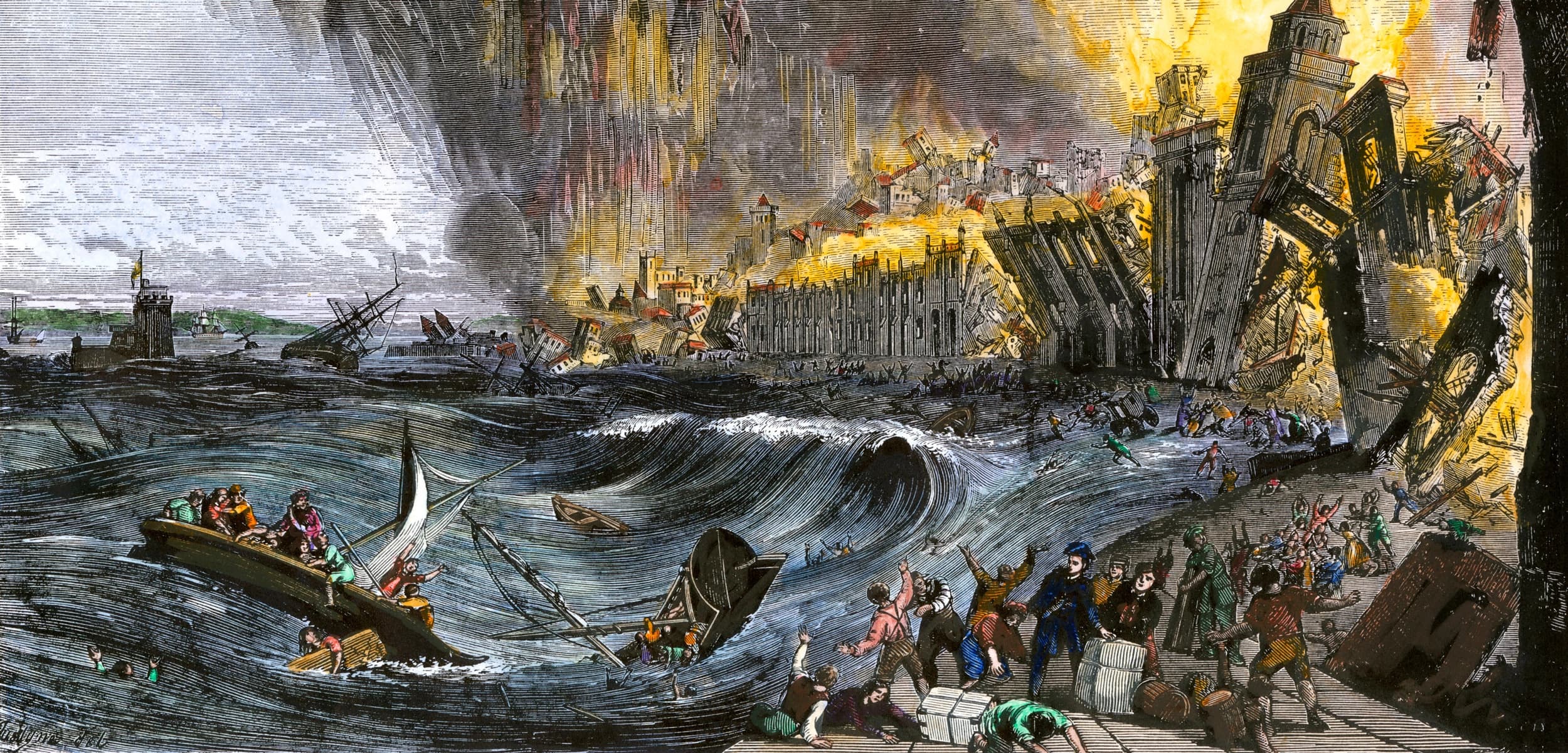
Nature has a way of reminding us that no matter how advanced our technology becomes, we remain at the mercy of the planet’s forces. Tsunamis, earthquakes, and volcanic eruptions are among the most powerful and devastating natural phenomena in human history. They’ve not only reshaped coastlines and landscapes but have also redirected the course of civilizations.
This article explores real-life stories, scientific explanations, and historical examples of how these forces have shaped — and continue to shape — our world.
Tsunamis - When the Ocean Rises
Tsunamis are triggered primarily by undersea earthquakes, volcanic eruptions, or massive landslides. When the ocean floor shifts suddenly, it displaces enormous amounts of water, sending waves hurtling across the ocean at speeds exceeding 800 km/h (500 mph).
The 2004 Indian Ocean Tsunami
- Date: December 26, 2004
- Epicenter: Off the coast of Sumatra, Indonesia
- Magnitude: 9.1
- Wave height: Up to 30 meters (100 ft)
- Casualties: ~230,000 people across 14 countries
This disaster remains one of the deadliest natural events in recorded history. Entire coastal towns were wiped off the map, and satellite data revealed that parts of Sumatra shifted by as much as 36 meters. The catastrophe highlighted the urgent need for global tsunami-warning systems.
Earthquakes - When the Ground Itself Moves
Earthquakes occur when tectonic plates beneath the Earth’s crust collide, slide past one another, or shift suddenly. The massive release of built-up stress sends seismic waves through the ground, shaking entire regions within seconds.
The Great Lisbon Earthquake (1755)
- Date: November 1, 1755
- Magnitude: Estimated 8.5
- Consequences:
- Nearly all of Lisbon was destroyed
- Around 60,000 lives were lost
- The earthquake was followed by a massive tsunami and fires
This disaster reshaped not just Portugal but also the geopolitical balance in Europe. Portugal’s maritime dominance collapsed, while reconstruction of Lisbon took decades.
The Spitak Earthquake in Armenia (1988)
- Date: December 7, 1988
- Magnitude: 6.8
- Casualties: ~25,000 people
- Impact: Entire cities were flattened, leaving hundreds of thousands homeless
Despite its moderate magnitude, Spitak’s devastation revealed how vulnerable human infrastructure can be when building standards are weak.
Volcanoes - When the Earth Breathes Fire
Volcanic eruptions are among nature’s most dramatic and far-reaching events. They can obliterate entire cities, alter the climate, and even shift global history.
Mount Tambora Eruption (1815)
- Location: Indonesia
- Date: April 1815
- Volume of ejected material: ~160 km³
- Casualties: Over 70,000 people
The aftermath was catastrophic on a global scale. Ash and aerosols reached the upper atmosphere, blocking sunlight and causing worldwide climate disruption. The following year, 1816, became known as “The Year Without a Summer” — Europe and North America suffered crop failures, famine, and widespread disease.
Mount Vesuvius and the Fall of Pompeii (79 AD)
- Location: Italy
- Plume height: Over 33 km (20 miles)
- Consequences:
- Pompeii and Herculaneum were buried under volcanic ash
- Approximately 16,000 people died
- Today, Pompeii offers a rare time capsule of ancient Roman life
This eruption reminds us that volcanic activity can freeze a moment in history, preserving it for thousands of years.
How These Forces Reshape the World
Every time nature unleashes its power, our planet changes:
- Climate shifts - Volcanic eruptions can cause global cooling or warming.
- Geographical transformation - Tsunamis and tectonic activity redraw coastlines and islands.
- Historical redirection - Cities, empires, and entire cultures can disappear within days.
These forces have shaped human evolution and civilization itself, often altering history’s trajectory in ways we still struggle to comprehend.
Nature’s raw power humbles humanity. Tsunamis, earthquakes, and volcanic eruptions remind us that despite our technological advancements, we live on a dynamic, ever-changing planet.
The real question isn’t if these forces will strike again - it’s when.
Related articles
 HistoryJanuary 7, 2026
Iran: From a Millennial Empire to the Strict Mandates of the Islamic Republic
5 min read HistoryJanuary 7, 2026
Venezuela: The Tragic Phoenix of Latin America - From Oil Paradise to Geopolitical Nightmare
6 min read LifestyleDecember 9, 2025
Festive Tables Around the World: New Year's Traditions and Their Flavorful Nuances
9 min read HistoryDecember 8, 2025
The Spitak Earthquake: History and Statistics of a Catastrophe (December 7, 1988)
7 min read HistoryNovember 17, 2025
The Horrifying but True Story of a 5-Year-Old Who Became a Mother
4 min read HistoryNovember 7, 2025