
A Light Through the Darkness: The Unseen Struggle of Mother Teresa
"There is so much suffering in the world, so much. I still think that the greatest suffering is being lonely, the feeling of being unloved and having no one." This was the belief of Mother Teresa, a woman loved by all, who dedicated her life to helping the poorest of the poor.
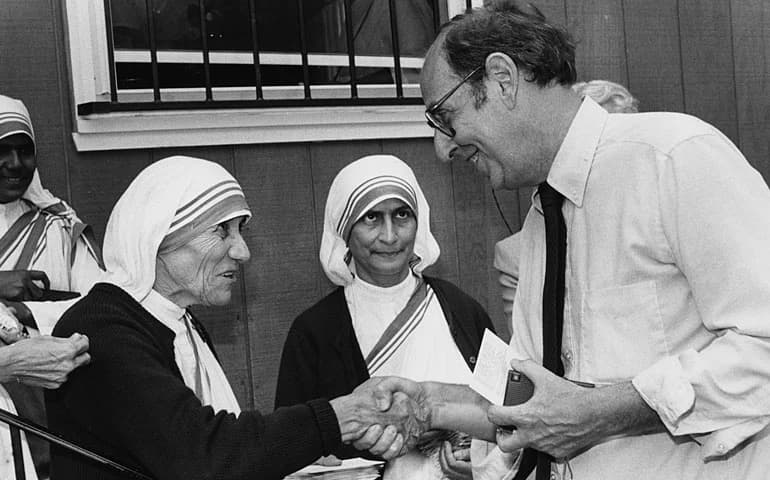
Within the life of this luminous figure, there was a dark side: a deep crisis of faith that she called an "inner darkness."
Childhood and the Beginning of Her Calling
Mother Teresa was born on August 26, 1910, in Skopje, with the name Agnes Gonxha Bojaxhiu. Her parents, Nikola and Drana, were Albanians who played a major role in shaping her humanitarian views. Her father's words, "Do not eat a single morsel without sharing it with someone," left a deep impression on her.
Agnes's life changed dramatically when her father died unexpectedly at the age of eight. The entire burden of the family fell on her mother's shoulders. Despite the hardships, she raised her children with great love and faith. The doors of their home were always open to the poor, and Agnes witnessed human suffering from a young age.
Early on, Agnes felt her religious calling. In 1928, she made the final decision to go on a mission and dedicate herself to God. Leaving all her dreams behind, she traveled to India and joined the Sisters of Loreto. She chose the name Teresa, in honor of her patron saint, St. Thérèse of Lisieux, and adopted her philosophy: "My little way is the spiritual path of childhood—the path of trust and unlimited self-sacrifice."
A "Call Within a Call": The Founding of the Missionaries of Charity
Despite her devotion, Teresa felt that something was missing. She felt "emptiness" and wasn't satisfied with her work. This feeling reached its peak in 1946 when, while traveling by train, she received what she called a "call within a call." She heard a voice that "commanded her to leave everything and serve Him in the slums, on the streets, through the poorest of the poor."
With permission from Rome, she left her order and began her new mission, choosing a simple white sari as her uniform. This decision sparked fierce criticism, but she remained firm. She founded the Missionaries of Charity and became Mother Teresa. Her goal was not only to provide food and shelter to the poor but also to ensure they had a "beautiful" and "good" death, saving them from dying on the streets.
Internal Struggle and the Test of Faith
Despite her exceptional dedication, Mother Teresa battled a profound crisis of faith. Letters published after her death revealed that for the last 50 years of her life, she felt God's absence. She wrote: "I look for Him, but I cannot see Him. I listen, but I cannot hear Him... The heart is filled with emptiness."
This inner darkness didn't stop her from her mission. Once, when she couldn't bring herself to touch a woman covered in scabies, she prayed, returned, and lovingly cared for her. This event was a sign for her that "Christ's love and my love for Christ are stronger than my weakness." Mother Teresa proved that faith doesn't always come with spiritual comfort; sometimes it requires struggle and steadfastness even in the darkest moments.
Legacy and Words of Wisdom
Mother Teresa often said that her work was "a drop in the ocean," but she added, "if I don't do it, that drop will be missing." The order she founded spread throughout the world, and she received numerous awards, including the Nobel Peace Prize in 1979.
One of the most important lessons from her life is the importance of continuous kindness, regardless of criticism or indifference. In one of her 10 theses, she says: "If you have done a good deed and people accuse you of selfish ulterior motives, do good anyway."
Mother Teresa's 87-year life, which ended on September 5, 1997, proved that true love and service can overcome any inner doubt and external challenge. Her faith, which was tested by darkness, made her not only a saint but a symbol of the enduring human spirit.
Related articles
 HistoryJanuary 7, 2026
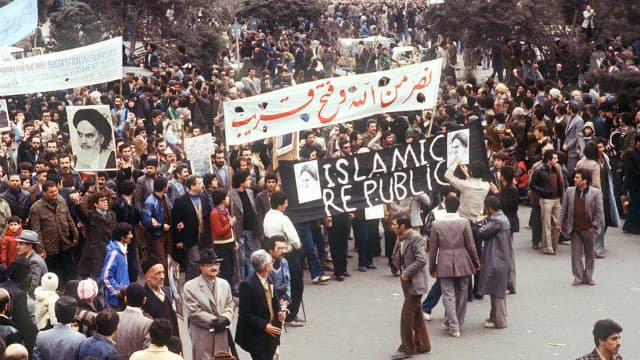
Iran: From a Millennial Empire to the Strict Mandates of the Islamic Republic
5 min read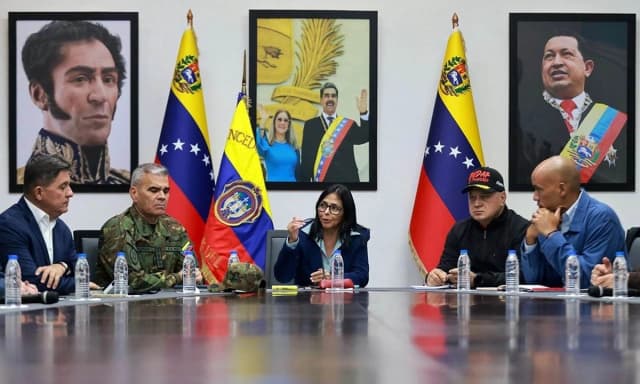 HistoryJanuary 7, 2026
Venezuela: The Tragic Phoenix of Latin America - From Oil Paradise to Geopolitical Nightmare
6 min read LifestyleDecember 9, 2025
Festive Tables Around the World: New Year's Traditions and Their Flavorful Nuances
9 min read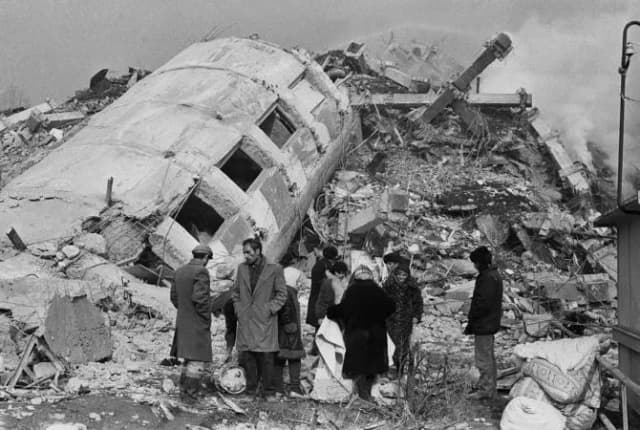 HistoryDecember 8, 2025
The Spitak Earthquake: History and Statistics of a Catastrophe (December 7, 1988)
7 min read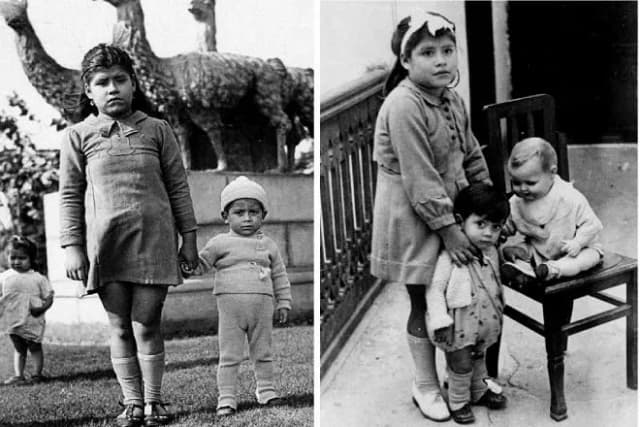 HistoryNovember 17, 2025
The Horrifying but True Story of a 5-Year-Old Who Became a Mother
4 min read HistoryNovember 7, 2025