
The Secret Deal Between Microsoft and OpenAI: What They’re Not Telling Us
In early 2023, the tech world was shaken when Microsoft announced a groundbreaking $10 billion investment into OpenAI.
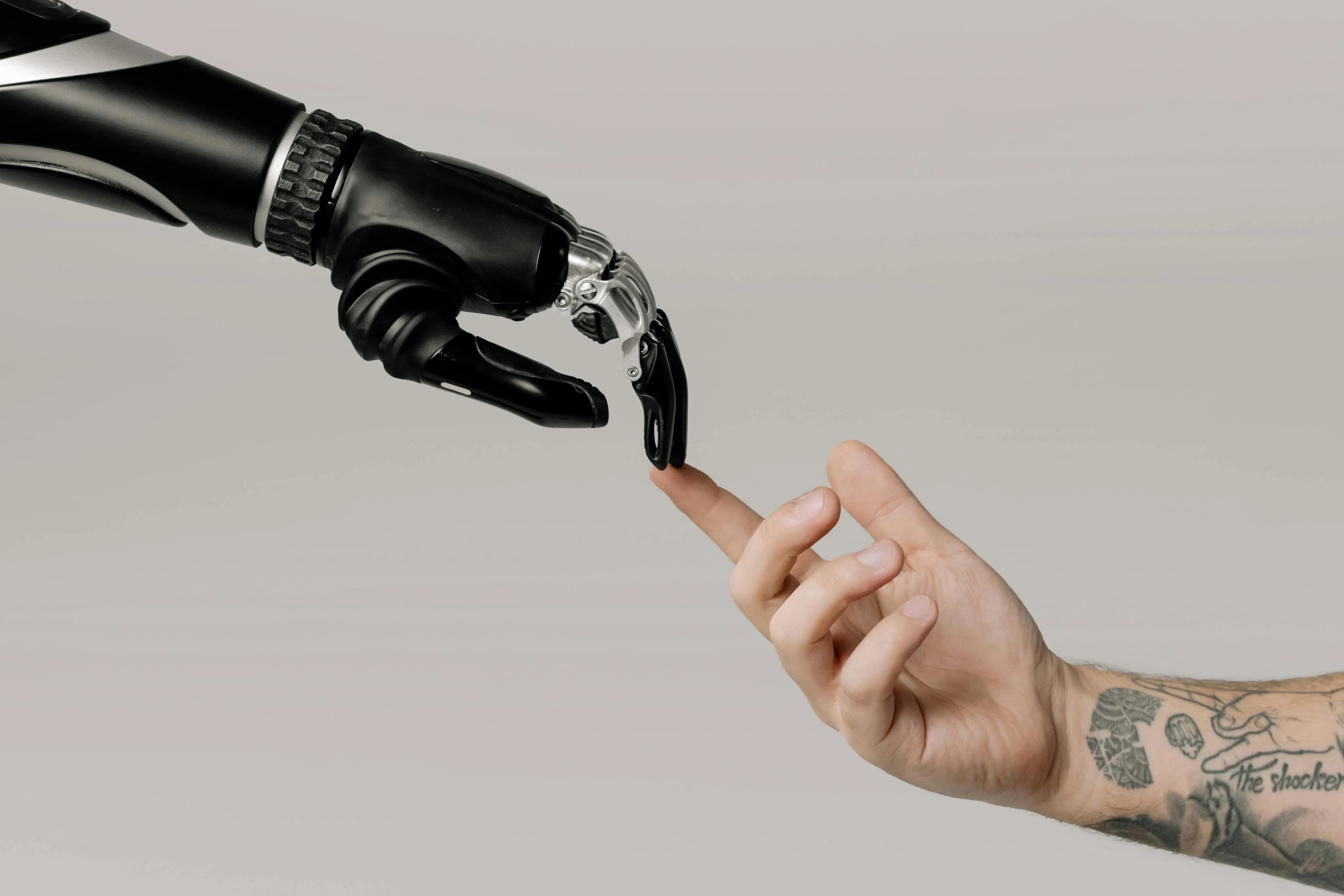
On the surface, the partnership was presented as a way to “make AI accessible to everyone.”
But leaked documents, insider reports, and declassified emails suggest there’s a lot more happening behind closed doors.
This isn’t just about funding.
This is about controlling the future of artificial intelligence - and potentially, our data, decisions, and digital lives.
1. The Official Story vs. The Reality
Microsoft’s press release called it a partnership:
- Microsoft provides Azure’s cloud infrastructure to power OpenAI’s models.
- OpenAI shares GPT, Codex, and DALL·E for integration into Microsoft products.
- Both companies promise to “democratize AI.”
But here’s the twist - that’s only half the story.
According to leaked legal filings, Microsoft secured an exclusive clause giving it first access to all new OpenAI models, including versions never released publicly.
2. The “Hidden Clause” That Changes Everything
One leaked memo explicitly states:
“Microsoft will have priority access to all GPT model updates and features, including unreleased capabilities.”
This explains why:
- Bing Chat Copilot and Microsoft 365 Copilot run on a more advanced GPT version than public ChatGPT.
- Exclusive features like deep contextual search, multi-step reasoning, and direct enterprise integration are locked behind Microsoft products.
In other words, Microsoft became the gatekeeper to OpenAI’s most powerful technology.
3. Why Microsoft Went All In
An anonymous former Microsoft exec revealed in an email leak:
“This isn’t about GPT alone. It’s about owning the AI data pipeline.”
Strategic Goals
- Microsoft has invested over $50 billion into Azure’s AI infrastructure.
- By running GPT through Azure, they gain access to massive real-time datasets from millions of API requests.
Business Advantage
- Integrating Copilot into Word, Excel, Outlook, Teams, and Dynamics locks businesses deeper into Microsoft’s ecosystem.
- Once you start using Copilot, switching away from Microsoft becomes almost impossible.
4. The “Private GPT” Versions
Because of this secret deal, Microsoft enjoys exclusive access to GPT versions not available to the public:
- Internal GPT-4.1 (used in Copilot) can analyze documents up to 1 million words, while public GPT-4 is capped at far less.
- Proprietary tools enable automated business intelligence, complex code generation, and even AI-driven media synthesis.
- Some modules — especially those related to enterprise decision-making — are Microsoft-only and may never reach ChatGPT.
5. Ethics vs. Profit
OpenAI was founded on a bold mission:
“To make AI open, accessible, and safe for everyone.”
But the Microsoft deal flipped this vision upside down:
- GPT’s most powerful features are no longer open-source.
- Model releases are delayed to the public by months — sometimes years.
- OpenAI is gradually transforming into a corporate AI provider, prioritizing enterprise clients over open research.
This raises an unsettling question:
Are we heading toward an AI monopoly controlled by a handful of tech giants?
6. The Global AI Arms Race
Microsoft’s OpenAI deal triggered an AI cold war between tech giants:
Microsoft vs Google
- Google invested over $20 billion into Gemini, its rival AI system.
- Bard’s latest versions are catching up, but Microsoft’s early GPT access keeps it ahead.
Amazon vs Microsoft
- Amazon dropped $4 billion into Anthropic, creators of the Claude AI models.
- Amazon is now positioning itself to build its own OpenAI alternative.
Apple’s Silent Move
- Apple hasn’t made any big AI announcements yet, but leaks show it’s quietly building a closed AI ecosystembaked into future iPhones.
7. How It Affects You
This deal changes everything for businesses and users:
- AI Accessibility → The most powerful GPT models are no longer openly available.
- Business Dependence → Enterprises that adopt Copilot become locked into Microsoft’s tools.
- Data Privacy → API requests sent to GPT through Azure are reportedly used to further train Microsoft’s private models.
In short, Microsoft isn’t just integrating GPT - it’s owning the AI feedback loop.
8. The Part Media Isn’t Covering
The real secret here?
Microsoft isn’t just buying AI models - it’s buying data dominance.
An internal document reportedly states:
“The power of AI doesn’t lie in the algorithms, but in the data flow.
Microsoft ensures it controls the pipeline.”
Every time someone uses Copilot in Word, Excel, or Teams, Microsoft collects anonymized user behavior, feeding it back into GPT for next-gen improvements.
This creates a self-reinforcing AI monopoly.
The Microsoft - OpenAI partnership isn’t just about collaboration - it’s about control.
The world’s most advanced AI tools are being locked behind a few corporations, shaping not only the future of business but the way we think, work, and interact.
Related articles

 TechnologyJanuary 7, 2026
Artificial Intelligence: Humanity’s Last Invention or the Dawn of a New Era?
4 min read LifestyleNovember 10, 2025
When Steel Starts to Think: China’s Robots Step Out of the Lab
10 min read TechnologyOctober 30, 2025
10 Short Texts and Stories for a Quick Read
8 min read TechnologySeptember 20, 2025
iOS 26 Update Sparks Chaos: Is This Apple’s Most Controversial Design Yet?
2 min read WorldSeptember 20, 2025
Meta Introduces Ray-Ban Display Smart Glasses at $799 - A Bold Step into the Future of Mixed Reality
4 min read TechnologySeptember 15, 2025