
Matteos of Constantinople: The First Armenian Global Banker
In the 17th century, at the crossroads of East and West, one Armenian merchant transformed how international trade and finance worked. Matteos of Constantinople wasn’t just a trader — he was a banker, negotiator, and architect of trust-based financial networks.
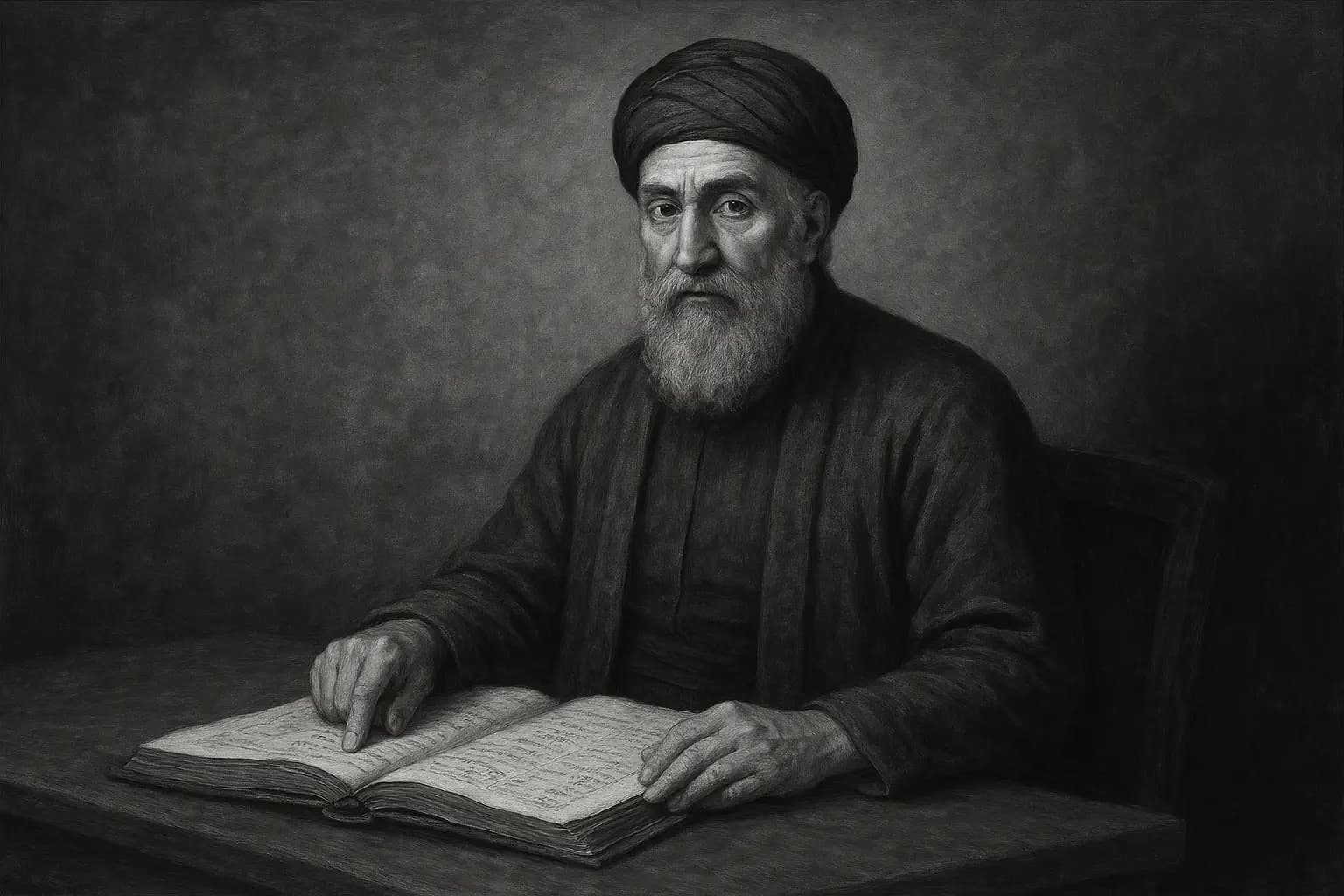
At the heart of this network stood Matteos of Constantinople — a man whose influence extended from Constantinople to Amsterdam, from New Julfa to Madras. He wasn’t just a wealthy merchant; he was a financier, strategist, negotiator, and cultural patron.
Today, historians refer to him as the first Armenian “global banker” - a man who helped design one of the earliest decentralized financial systems in history.
Early Life and Rise to Power
Matteos was born in Constantinople in the early 1600s into a prominent Armenian merchant family deeply connected to the New Julfa trade network.
From a young age, he received an elite education, mastering multiple languages - Armenian, Turkish, Persian, Greek, and Italian. These skills would later make him invaluable as a multilingual mediator between East and West.
Unlike many merchants of his era, Matteos wasn’t content with simply moving goods. He had a vision to build financial bridges across continents, creating trust-based systems that bypassed political borders.
An Invisible Banking Model Ahead of Its Time
Matteos pioneered what modern economists might call a decentralized financial network - long before modern banks existed.
- Credit Ledgers Instead of Cash
- Instead of moving physical silver and gold, Matteos created ledgers documenting debts, obligations, and agreements between merchants across continents.
- Trust-Based Transactions
- Armenian merchants across Amsterdam, New Julfa, Madras, Venice, and Batavia operated within a tight-knit network where personal reputation was worth more than legal contracts.
- Currency Exchange Innovations
- Matteos managed large-scale currency conversions — from Dutch guilders to Persian tomans to Venetian ducats - facilitating global trade without the need for physical money transfers.
Through this, Matteos helped the Armenian network manage millions in modern-day dollars worth of transactions without banks.
The Dutch East India Company and Persian Silk
By the mid-17th century, the Dutch East India Company (VOC) had become one of the most powerful trading entities in the world. Its goal was simple: dominate the global silk and spice trade.
But there was one problem - the Persian silk trade was controlled by the Armenians of New Julfa.
Matteos became the crucial mediator:
- He negotiated exclusive silk quotas for the VOC, granting them access to Persian markets.
- In exchange, Armenian merchants received special privileges - including lower taxes, guaranteed trade routes, and open access to European markets.
- Dutch archives suggest that by the 1670s, Matteos coordinated up to 2.5 million guilders worth of silk exports annually - an astronomical figure for the time.
In VOC records, he is sometimes referred to as “de Armeense meester” - “the Armenian master” — acknowledging his central role in connecting East and West.
The Mystery of the Secret Ledgers
Matteos kept highly detailed financial ledgers, parts of which are still preserved in archives in Amsterdam and Isfahan.
However, these documents remain partly undeciphered:
- Many records use coded symbols and numerical ciphers.
- Historians believe these ledgers reveal the inner workings of an Armenian-controlled financial super-networkspanning Asia and Europe.
- Dutch historian Hugo Wertman once wrote:
“If Matteos’ books were ever fully decrypted, we would discover that Armenians controlled at least 60% of Persian silk flows into Europe.”
This mystery has made Matteos a legend among financial historians.
Beyond Trade: Patron of Culture and Faith
Matteos was not just a financier; he was a cultural benefactor whose wealth transformed Armenian communities:
- Funded the construction of churches in Constantinople, New Julfa, and Madras.
- Sponsored Armenian schools, ensuring that future generations mastered languages, mathematics, and diplomacy.
- Supported the earliest Armenian printing presses, enabling the distribution of Bibles, manuscripts, and educational texts across the diaspora.
Through his patronage, he ensured that Armenian identity thrived even as merchants integrated deeply into foreign lands.
Why Matteos Remains Forgotten
Despite his influence, Matteos rarely appears in history books. There are three reasons:
- Secrecy by Design - The Armenian merchant network operated quietly, preferring discretion over power projection.
- Political Sensitivities - Working between Persia, the Ottoman Empire, and European colonial powers, Matteos avoided fame to maintain neutrality.
- Lost Archives - Many records of his transactions are scattered or remain sealed in Dutch and Persian repositories.
Yet, his impact on global trade, finance, and Armenian cultural preservation cannot be overstated.
The First Armenian Global Banker
Matteos of Constantinople revolutionized how trade and finance operated centuries before modern globalization.
- He created a trust-based financial system spanning multiple continents.
- Negotiated on equal footing with European colonial giants.
- Strengthened Armenian cultural, religious, and educational institutions worldwide.
His story shows that real power doesn’t always come from armies or empires - sometimes, it comes from networks, intelligence, and trust.
Related articles
 HistoryJanuary 7, 2026
Iran: From a Millennial Empire to the Strict Mandates of the Islamic Republic
5 min read HistoryJanuary 7, 2026
Venezuela: The Tragic Phoenix of Latin America - From Oil Paradise to Geopolitical Nightmare
6 min read LifestyleDecember 9, 2025
Festive Tables Around the World: New Year's Traditions and Their Flavorful Nuances
9 min read HistoryDecember 8, 2025
The Spitak Earthquake: History and Statistics of a Catastrophe (December 7, 1988)
7 min read HistoryNovember 17, 2025
The Horrifying but True Story of a 5-Year-Old Who Became a Mother
4 min read HistoryNovember 7, 2025