
Lavash: How a Simple Bread Became a UNESCO World Heritage Treasure
It's impossible to imagine an Armenian table without Lavash. This thin, soft flatbread accompanies us through all of life's events, from daily dinners to festive feasts.
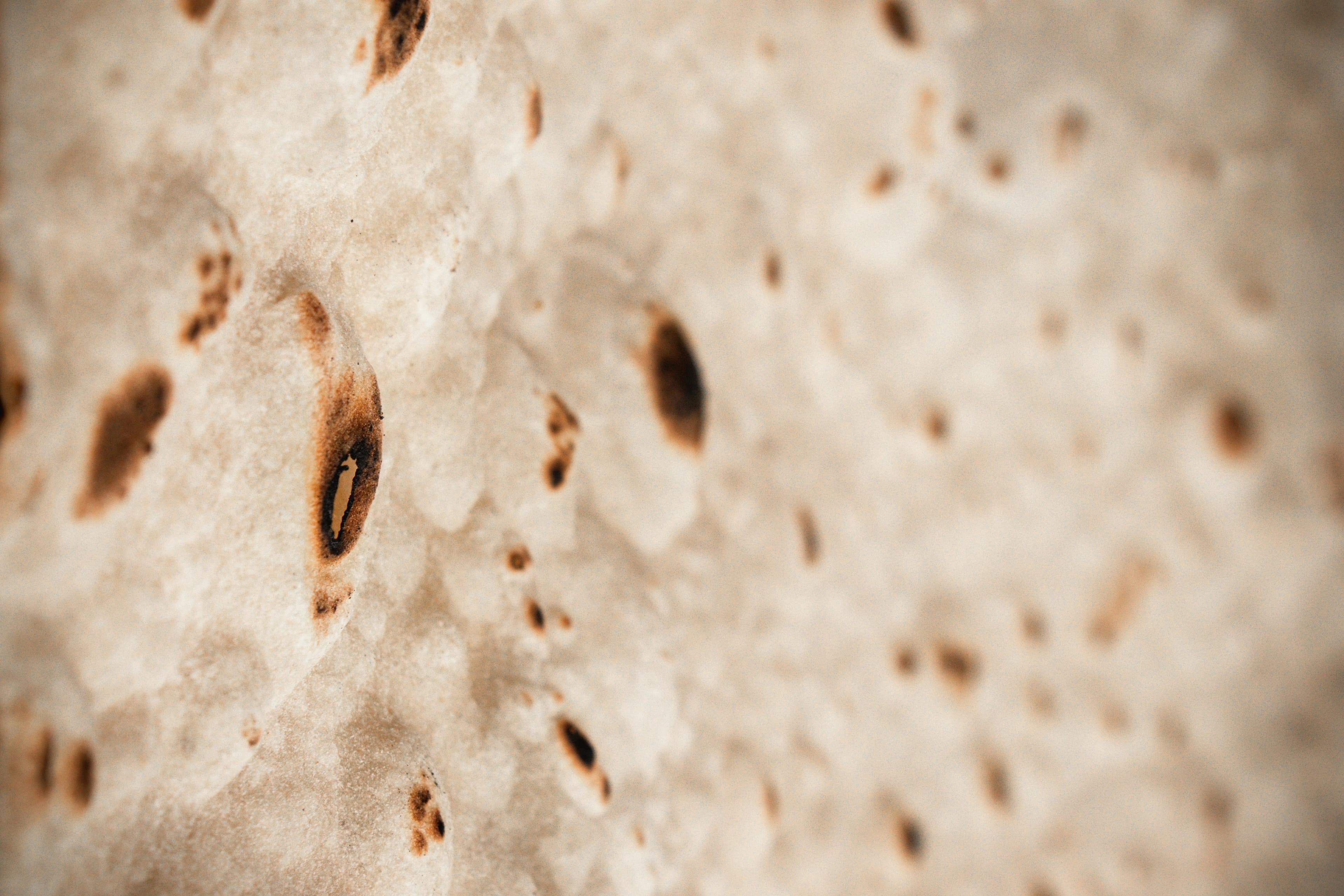
It is more than just food; it is a symbol of identity, community, and the bond between generations. But how did this seemingly modest bread capture the world's attention and earn one of humanity's most prestigious titles by being inscribed on a UNESCO list?
The Art and Ritual of Baking Lavash
The power of Lavash lies not in its recipe, but in the culture of its preparation. Traditionally, baking Lavash is a women's task, requiring skill, patience, and teamwork. The process is like a ritual, at the heart of which is the tonir—an underground clay oven, the heart of the Armenian home, symbolizing the sun and life.
- Preparing the Dough: It all starts with simple ingredients: flour, water, and salt. The dough is kneaded, then rolled into balls and left to rest.
- Teamwork: Women gather around the tonir. One rolls out the balls of dough, while another, more experienced baker, takes the thinly rolled dough and stretches it over her hands until it is as thin as paper.
- The Moment of Baking: The dough is then slapped onto a special cushion, a batat, and with one skilled motion, it is pressed against the glowing hot inner wall of the tonir. A few dozen seconds later, the fragrant, ready Lavash is pulled out with a metal hook.
This process is more than just baking bread. It is an occasion to socialize, tell stories, and pass experience down to the younger generation. Lavash unites family members, neighbors, and the community. It also plays a symbolic role in wedding ceremonies; placing Lavash on the bride's shoulders is a sign of prosperity and fertility.
The Journey to UNESCO
In 2014, the nomination "Lavash, the preparation, meaning and appearance of traditional bread as an expression of culture in Armenia" was submitted and inscribed on the UNESCO Representative List of the Intangible Cultural Heritage of Humanity.
On what criteria was the decision based?
UNESCO evaluates not the object itself (Lavash as a food item), but the living tradition associated with it. The key criteria were:
- Transmission from generation to generation: The skills and knowledge of Lavash baking are passed down from mothers to daughters, ensuring the continuity of the tradition.
- Community Significance: It strengthens social bonds and promotes cooperation.
- A Sense of Cultural Identity: Lavash is an integral part of the identity of the Armenian people, connecting the past with the present.
- A Display of Human Creativity: Despite its simplicity, the preparation of Lavash requires exceptional mastery.
What UNESCO Status Truly Means
It is very important to understand that inscription on a UNESCO list does not grant "ownership" or "copyright." Lavash is baked by various nations, and UNESCO acknowledges this (in 2016, a flatbread culture nomination submitted by Azerbaijan, Iran, Kazakhstan, Kyrgyzstan, and Turkey was also inscribed).
For Armenia, this status means two things:
- International Recognition: The world officially recognizes that the tradition associated with Lavash is a living and inseparable part of Armenian culture.
- A Commitment to Safeguard: By receiving this status, Armenia commits to taking steps to preserve, document, and transmit this tradition to future generations. This encourages state and public care for this vital ritualistic and cultural element.
Armenia's other cultural treasures on the UNESCO list
Lavash is not alone. Armenian culture is represented on UNESCO's lists by other gems, including:
- The music of the Duduk
- The epic of the "Daredevils of Sassoun"
- Khachkar art: its symbolism and craftsmanship
- Kochari, the traditional group dance
- Pilgrimage to the Monastery of Saint Thaddeus (jointly with Iran)
Thus, the recognition of Lavash by UNESCO is a story of how the most common and seemingly everyday things can carry a deep cultural code and become a universal human value. It is proof that heritage is not only found in museum artifacts and monuments but also in the living traditions that we experience every day—around the tonir, around the table, and between generations.
Related articles
 HistoryJanuary 7, 2026
Iran: From a Millennial Empire to the Strict Mandates of the Islamic Republic
5 min read HistoryJanuary 7, 2026
Venezuela: The Tragic Phoenix of Latin America - From Oil Paradise to Geopolitical Nightmare
6 min read LifestyleDecember 9, 2025
Festive Tables Around the World: New Year's Traditions and Their Flavorful Nuances
9 min read HistoryDecember 8, 2025
The Spitak Earthquake: History and Statistics of a Catastrophe (December 7, 1988)
7 min read HistoryNovember 17, 2025
The Horrifying but True Story of a 5-Year-Old Who Became a Mother
4 min read HistoryNovember 7, 2025