
Start the day here→
3 min readAugust 26, 2025
Forgotten Stories: How Cartography Tells a Story
Maps are often seen as simple tools for navigating geographical locations. We see countries, cities, rivers, and mountains on them and assume they are simply accurate representations of reality.
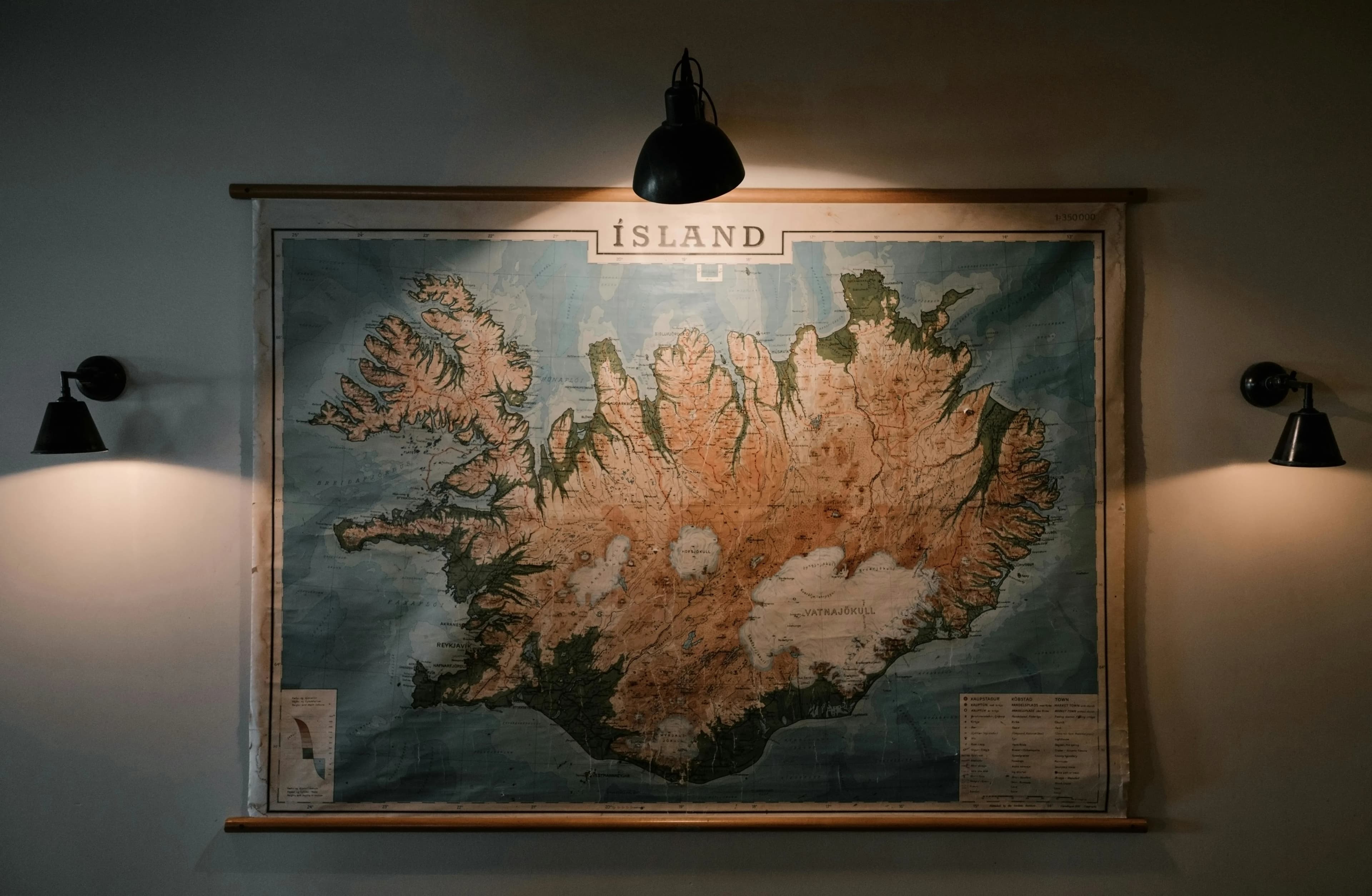
Maps are much more than just a collection of lines and dots. They are historical documents that tell forgotten stories, reveal the secrets of power and influence, and show how humanity has seen and shaped the world in different eras.
Historical Maps: The Silent Witnesses of History
Old maps reflect not only geography but also the science, culture, and politics of their time.
- The Mercator Projection: Created by the Flemish cartographer Gerardus Mercator in the 16th century, this map has served for navigation for centuries. However, it also shows a Eurocentric view of the world. On the map, Europe and North America appear disproportionately large, while Africa and South America seem small. This tells the story of the era of colonialism, when maps served not to create an accurate image but to establish European power.
- Old Chinese Maps: On some old Chinese maps, China was depicted in the center of the world, surrounded by small, subordinate states. This reflected the traditional Chinese worldview, where China was considered the "Celestial Empire."
- The Rebirth of Nations in Maps: In the 19th and 20th centuries, during the creation of nation-states, maps became a powerful tool for shaping national identity. Cartographers drew "historical" territories based on old kingdoms, which often had little in common with reality. These served to construct new national narratives.
Cartography as a Tool of Struggle
Maps have always been not only a reflection but also a tool of power.
- "Fake" Borders: Cartographic decisions can have real-life consequences. For example, the borders of Africa and the Middle East were often drawn by European powers without taking into account the differences of local tribes, cultures, and languages. These "artificial" borders have been the cause of many subsequent conflicts.
- The Use of Maps Against Indigenous Peoples: In old military maps, local names were often changed to European names, which contributed to the erasure of the history of indigenous peoples.
Modern Maps: Today's Stories
Today, maps continue to tell stories, but in a different way.
- Data Visualization: Modern digital maps, such as Google Maps, can tell today's stories by showing traffic jams, urban development trends, or even social and economic inequalities.
- Social Mapping: Communities use maps to preserve their history. For example, by creating maps that mark historical sites that have lost their identity.
The map we see is always someone's story. Maps are silent books that can reveal our ideas about power, identity, and human relationships.
Related articles
 HistoryJanuary 7, 2026
Iran: From a Millennial Empire to the Strict Mandates of the Islamic Republic
5 min read HistoryJanuary 7, 2026
Venezuela: The Tragic Phoenix of Latin America - From Oil Paradise to Geopolitical Nightmare
6 min read LifestyleDecember 9, 2025
Festive Tables Around the World: New Year's Traditions and Their Flavorful Nuances
9 min read HistoryDecember 8, 2025
The Spitak Earthquake: History and Statistics of a Catastrophe (December 7, 1988)
7 min read HistoryNovember 17, 2025
The Horrifying but True Story of a 5-Year-Old Who Became a Mother
4 min read HistoryNovember 7, 2025