
The 44-Day War in Artsakh: When the Sky Turned Black and Thousands of Lives Were Lost
The 44-Day War in Artsakh, which began on September 27, 2020, and ended on November 9, became one of the darkest chapters in modern Armenian history.
Introduction – The Last Peaceful Morning
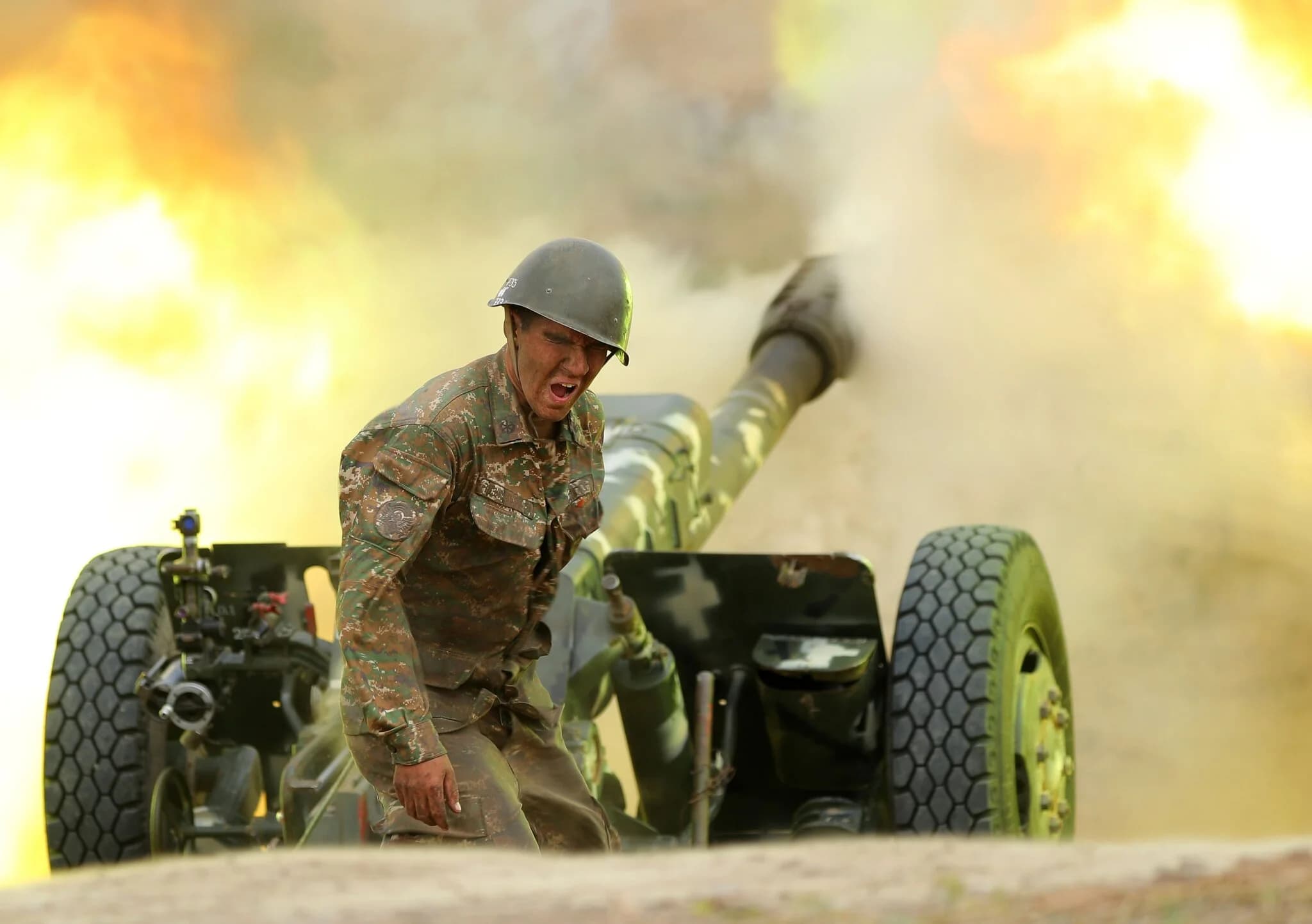
The morning of September 27, 2020 will never fade from our memory. In the villages of Artsakh, people were preparing for a normal day – children heading to school, farmers walking to their fields, soldiers starting their usual guard duty. But at 7:10 AM, silence was shattered by the roar of artillery. In a matter of seconds, the peaceful dawn turned into a nightmare.
For the next 44 days, the skies rained fire. Drones hovered above, missiles struck cities, and entire families fled with nothing but documents and a bag of clothes. This was not a border skirmish – it was a full-scale, technologically advanced war that would change the fate of the region forever.
The Beginning – When the Sky Filled With Fire
Azerbaijan, after years of military buildup, launched simultaneous attacks along the entire line of contact. From Martakert to Hadrut, from Martuni to the southern plains, the sound of explosions replaced the morning call of roosters.
The world quickly realized this was not the same war as the 1990s. This time, Azerbaijan brought in cutting-edge drones from Turkey and Israel. The Bayraktar TB2s became the grim reaper in the sky – invisible, constant, and merciless.
October became the month of "the war of the skies." Tanks were destroyed before they even reached their positions. Soldiers huddled in trenches, powerless under the buzzing eye above them.
Human Losses – A Generation of Unlived Dreams
This war was especially cruel in the number of lives it took.
- Armenian side: about 3,825 soldiers killed, many of them 18–20 years old, barely out of school. Another 187 went missing.
- Azerbaijani side: officially acknowledged 2,906 soldiers killed.
- Civilian casualties: at least 185 Armenians and around 100 Azerbaijanis.
But numbers cannot describe reality. Behind every statistic was a name, a face, a dream cut short.
Classrooms became emptier. Wedding halls turned into mourning sites. Children were born who would never see their fathers.
The 44-day war did not just kill people – it wiped out a whole generation of futures.
Technology vs. Life – The Age of Drones
If the first Karabakh war in the 1990s was a war of rifles, the 2020 war was a war of drones.
- Armenia lost about 255 tanks.
- Azerbaijan lost around 62 tanks, but had overwhelming technological superiority.
- Air defense systems, once considered unbreakable shields, were dismantled in minutes.
For Armenian soldiers, trenches no longer meant safety. The sky saw everything. The hum of a drone meant death was seconds away.
This war proved that a traditional army cannot survive without technological equality.
Shushi – The Fall of a Symbol
The first days of November became decisive. When news spread that Shushi was under siege, many Armenians refused to believe it. Shushi – the heart of Artsakh, the fortress-city sung in songs – how could it fall?
But on November 7, 2020, Shushi was lost.
The fall of Shushi was not only a military defeat, but a psychological collapse. For Armenians, Shushi symbolized victory, heritage, and identity. Losing it was like losing part of the soul.
The Ceasefire – A Signed Pain
On the night of November 9, Armenia, Azerbaijan, and Russia signed a ceasefire agreement. For many, that night was the darkest in decades.
The war stopped, but the pain did not.
- 70,000–100,000 people fled their homes in Artsakh.
- Armenia entered a political crisis.
- The diaspora felt helpless and betrayed.
The morning of November 10 was filled with tears. Thousands took to the streets in Yerevan, demanding answers. But the reality was already irreversible.
International Reaction – A World Watching From Afar
Throughout the war, international powers limited themselves to statements and calls for peace. The U.S., the EU, and Russia issued demands for a ceasefire, but no one truly intervened.
In the end, only Russia acted decisively, brokering the ceasefire and deploying peacekeepers to Nagorno-Karabakh. Turkey, on the other hand, openly supported Azerbaijan and cemented its role as a new player in the South Caucasus.
For Armenians, the war was another painful reminder that the world often watches, but rarely helps.
Aftermath – Silence in the Villages
After the guns fell silent, Artsakh was unrecognizable. Entire villages were emptied. In classrooms, half the seats were left vacant. Weddings were postponed indefinitely.
In Armenia, almost every family mourned a son, a brother, a father. At Yerablur Military Cemetery, mothers sat on cold stones, speaking to photographs of their sons as if they were still alive.
This silence cannot be measured in statistics. It is an endless echo of grief, still resonating five years later.
Conclusion – A History That Does Not End
The 44-day war of Artsakh was not just another conflict. It was a national tragedy. It left thousands of graves, broken families, and shattered dreams.
It reminded Armenians of a cruel truth: for small nations, peace is fragile, and survival is never guaranteed.
Even today, as mothers visit the graves of their sons, this story continues to be written. Not in textbooks, but in the living memory of a people who carry the wound in their hearts.
Related articles
 HistoryJanuary 7, 2026
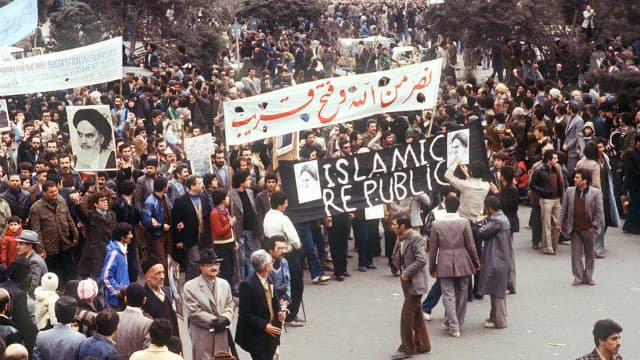
Iran: From a Millennial Empire to the Strict Mandates of the Islamic Republic
5 min read HistoryJanuary 7, 2026
Venezuela: The Tragic Phoenix of Latin America - From Oil Paradise to Geopolitical Nightmare
6 min read LifestyleDecember 9, 2025
Festive Tables Around the World: New Year's Traditions and Their Flavorful Nuances
9 min read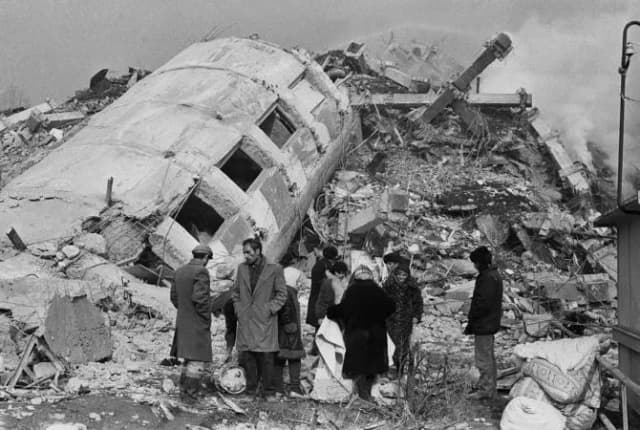 HistoryDecember 8, 2025
The Spitak Earthquake: History and Statistics of a Catastrophe (December 7, 1988)
7 min read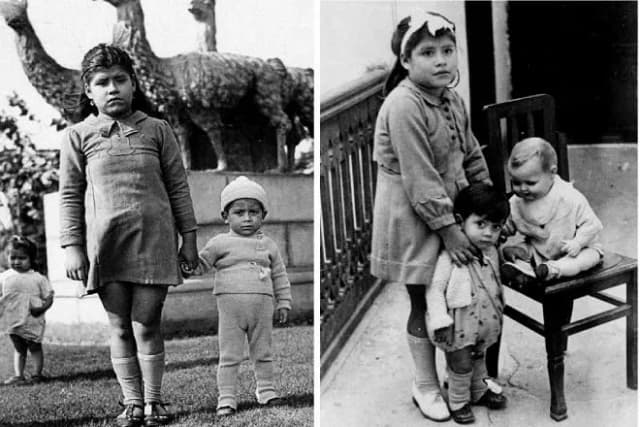 HistoryNovember 17, 2025
The Horrifying but True Story of a 5-Year-Old Who Became a Mother
4 min read HistoryNovember 7, 2025