
Understanding Blockchain and Its Impact on Everyday Life
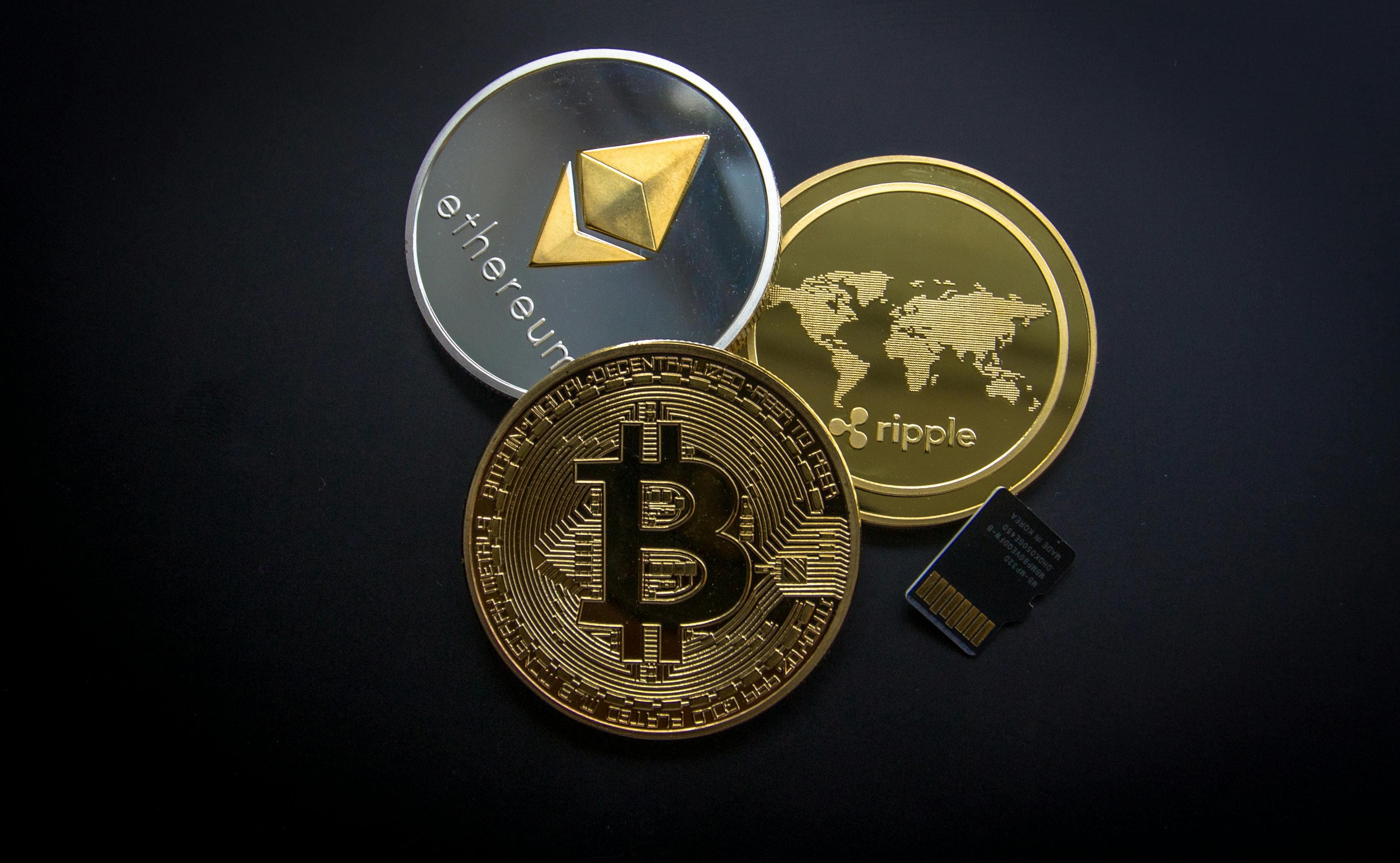
Blockchain, the technology underlying cryptocurrencies like Bitcoin and Ethereum, has evolved into a revolutionary force far beyond digital currencies. Let’s delve into how blockchain works, its key features, and its real-world applications backed by facts and statistics.
What is Blockchain?
At its core, blockchain is a digital ledger of transactions that is duplicated and distributed across a network of computer systems. Unlike traditional databases controlled by a single entity, blockchain operates on a decentralized model where no central authority governs the system. This structure ensures transparency, immutability, and security.
Each transaction is stored in a "block" and linked to the previous one, forming a "chain." Once added, information in a block cannot be altered without changing all subsequent blocks, which requires the consensus of the network.
Key Features of Blockchain
- Decentralization: Eliminates the need for intermediaries like banks or central authorities.
- Transparency: All participants can access the ledger, promoting accountability.
- Immutability: Data, once added, is tamper-proof, ensuring trustworthiness.
- Efficiency: Automates processes, reducing time and costs.
Real-World Applications and Impact
1. Financial Services
Blockchain has significantly disrupted the financial sector, enabling faster and cheaper transactions. For example:
- Remittances: According to the World Bank, global remittances reached $540 billion in 2020. Blockchain solutions like Ripple reduce transaction fees from 7% to as low as 1%, saving billions for migrants sending money home.
- Banking the Unbanked: Over 1.4 billion adults remain unbanked globally (World Bank, 2022). Blockchain-powered platforms like Stellar provide financial access to underserved populations by enabling secure transactions via smartphones.
2. Supply Chain Transparency
Blockchain enhances traceability and accountability in supply chains. Companies like Walmart and IBM use blockchain to track food products from farm to shelf, reducing foodborne illnesses. In one pilot project, Walmart traced the origin of mangoes in just 2.2 seconds using blockchain, compared to seven days with traditional systems.
3. Healthcare
Blockchain secures patient data and streamlines medical processes. A study by Deloitte highlighted that 55% of healthcare executives plan to adopt blockchain by 2025. For instance:
- Medical Records: Blockchain stores patient data securely, enabling seamless sharing among providers.
- Drug Traceability: Counterfeit drugs cost the pharmaceutical industry $200 billion annually (WHO). Blockchain ensures authenticity by tracing drugs through the supply chain.
4. Voting and Governance
Blockchain ensures transparent and tamper-proof elections. In 2020, Utah County in the United States conducted blockchain-based voting for overseas voters, ensuring secure and verifiable ballots.
5. Environmental Sustainability
Blockchain supports sustainability by incentivizing eco-friendly practices. Power Ledger, an Australian company, uses blockchain to allow peer-to-peer energy trading, enabling households to sell excess solar power. According to the International Energy Agency, such initiatives can significantly reduce carbon footprints.
Interesting Facts and Examples About Blockchain
1. Blockchain Isn’t Just for Cryptocurrency
While blockchain is synonymous with Bitcoin and Ethereum, 81 of the top 100 public companies (by market capitalization) are now using blockchain technology (CB Insights, 2023). For example, Walmart uses blockchain to track its food supply chain, improving recall efficiency and reducing waste.
2. First Blockchain Use Case Was Pizza
In May 2010, Bitcoin was first used to purchase two pizzas for 10,000 BTC, now worth millions of dollars. This event is celebrated as "Bitcoin Pizza Day."
3. Blockchain in Luxury Goods
Louis Vuitton uses blockchain to verify the authenticity of its products. Its platform, Aura, helps customers ensure they’re purchasing genuine items.
4. Blockchain Saves Lives
Blockchain is used to combat counterfeit drugs. The MediLedger Project ensures that the drugs reaching pharmacies are genuine, potentially saving millions of lives annually.
5. NFT Boom
Non-fungible tokens (NFTs), powered by blockchain, gained immense popularity in the art and gaming world. In 2021 alone, the NFT market reached a staggering $25 billion in sales.
Challenges and the Road Ahead
While blockchain holds immense potential, it faces hurdles like scalability, high energy consumption, and regulatory uncertainty. For example, Bitcoin mining consumes 121.36 terawatt-hours annually, comparable to the energy usage of Argentina (Cambridge Bitcoin Electricity Consumption Index, 2021).
To address these challenges, solutions like proof-of-stake (PoS) are emerging, which consume 99.9% less energy than traditional proof-of-work (PoW) systems (Ethereum Foundation, 2022).
Conclusion
Blockchain is more than a buzzword; it’s a transformative technology impacting everyday life. From financial inclusion to healthcare and environmental sustainability, its applications are vast and growing. As the technology matures, its integration into our lives will only deepen, fostering a more transparent, efficient, and secure world.
By understanding blockchain's mechanisms and potential, individuals and businesses can prepare to leverage its benefits in an increasingly digital future.
Related articles

 TechnologyJanuary 7, 2026
Artificial Intelligence: Humanity’s Last Invention or the Dawn of a New Era?
4 min read LifestyleNovember 10, 2025
When Steel Starts to Think: China’s Robots Step Out of the Lab
10 min read TechnologyOctober 30, 2025
10 Short Texts and Stories for a Quick Read
8 min read TechnologySeptember 20, 2025
iOS 26 Update Sparks Chaos: Is This Apple’s Most Controversial Design Yet?
2 min read WorldSeptember 20, 2025
Meta Introduces Ray-Ban Display Smart Glasses at $799 - A Bold Step into the Future of Mixed Reality
4 min read TechnologySeptember 15, 2025