
The world's most unusual and fascinating traditions You might not have heard of
Our planet is brimming with diverse cultures, and each culture boasts its own unique traditions and customs. Some might seem familiar to us, while others can be surprising, or even outright strange. Today, we'll unveil a few cultural phenomena that are bound to pique your interest.
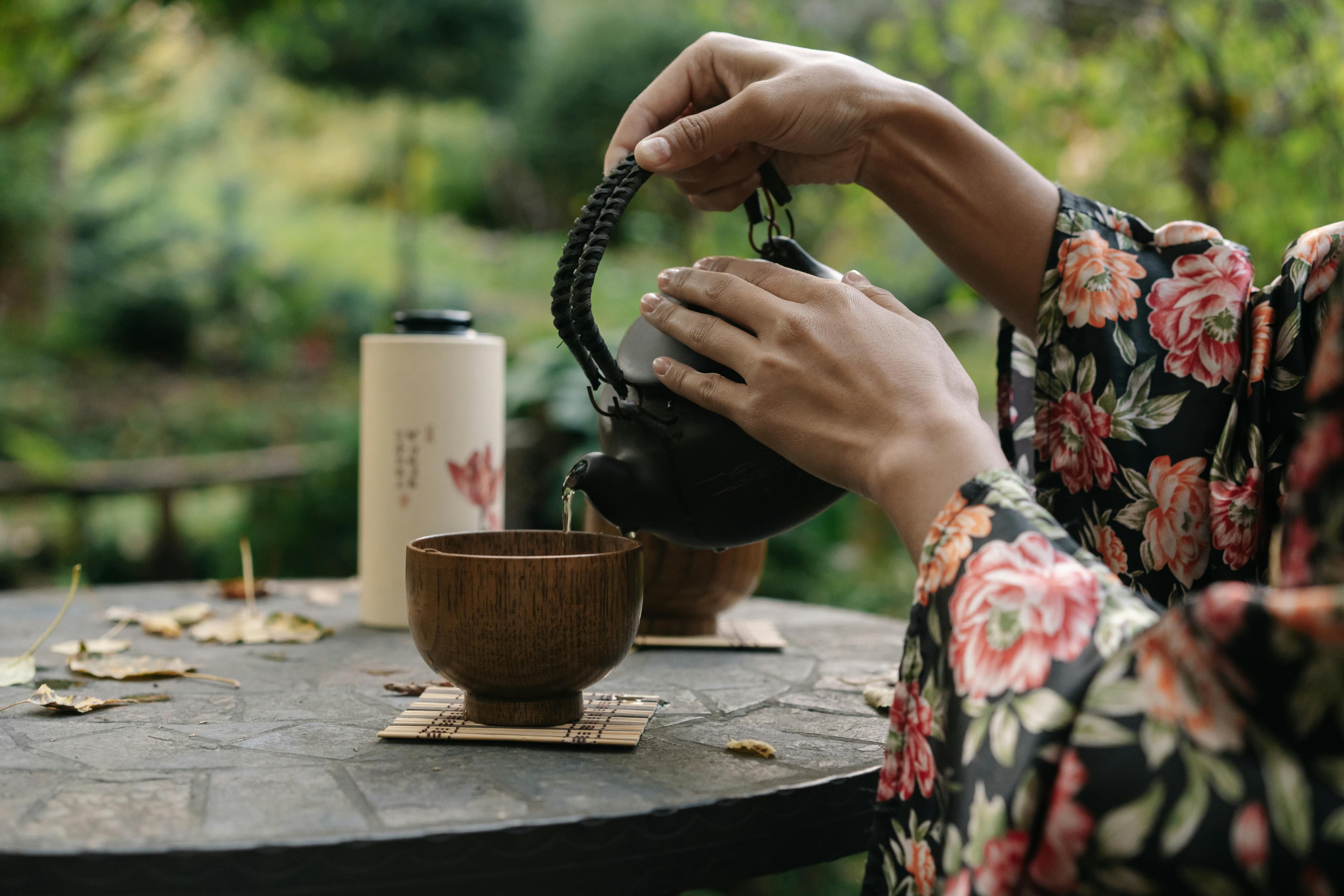
Japan: The Spiritual Essence of the Tea Ceremony
The Japanese tea ceremony (Chado or Sado) is far more than simply drinking tea. It's a genuine art form that embodies the core principles of Japanese philosophy: wa (harmony), kei (respect), sei (purity), and jaku (tranquility). This ritual demands absolute concentration and inner peace.
During the tea ceremony, every movement, the precise placement of each item, and even the type of tea served carry profound meaning. The environment must be calm and minimalist, allowing participants to fully focus on the moment and detach from daily worries. The ceremony's goal is not just to consume tea, but to forge a spiritual connection with the present moment and with the other participants.
India: The Festival of Colors – Holi
Holi, the festival of colors, is one of India's most joyous and energetic celebrations. It's observed at the beginning of spring and symbolizes the triumph of good over evil, the end of winter, and the arrival of spring.
During the festival, people take to the streets, throwing colorful powders (gulal) and water at each other. It's a fun and chaotic spectacle where all distinctions – caste, social status, or age – are forgotten. Holi unites people in a celebration of joy and life. Despite its "chaotic" appearance, the festival holds a deep meaning: it encourages forgiveness, love, and new beginnings.
Indonesia: Teeth Filing (Metatah) in Bali
In Bali, one of Indonesia's most famous islands, there's a unique tradition called Metatah, or teeth filing. This ceremony is performed when adolescents reach puberty and symbolizes their transition from childhood to adulthood.
During the ritual, six of the upper teeth's sharp incisors or canines are lightly flattened or filed down using special tools. Balinese people believe this helps them rid themselves of evil forces or demons and to control six "evil" human qualities: desire, anger, confusion, foolishness, jealousy, and greed. Although it may seem painful, Balinese individuals proudly undergo this ceremony, considering it a necessary step towards spiritual balance and happiness.
Scotland: Hogmanay and First Footing
In Scotland, the New Year's Eve (Hogmanay) celebrations are on a much grander scale than Christmas. It's a multi-day festival, and one of its most important traditions is "First Footing."
According to tradition, on New Year's Eve, after midnight, the first person to enter a home must be a dark-haired man. He should bring with him coal (symbolizing warmth), bread (nourishment), whisky (cheer), and shortbread (symbolizing good luck). This "first foot" is believed to bring good fortune to the house throughout the entire year. This belief originates from ancient Viking times when fair-haired men (Vikings) posed a greater threat.
China: "Human Day" (Renri) and New Year's Dishes
The Chinese New Year is celebrated for 15 days, and one of its most fascinating days is "Human Day" (Renri), observed on the seventh day of the Chinese New Year. According to ancient Chinese mythology, the goddess Nuwa created humans on this day.
On this day, it's traditional to eat Yusheng or Lo Hei – a raw fish salad that symbolizes abundance, prosperity, and good fortune. It consists of various ingredients, each with symbolic meaning. Family members gather around the table and, together, by tossing the salad ingredients with chopsticks, they loudly express their good wishes. The higher they toss, the more luck they expect.
These traditions represent just a small fraction of the cultural diversity of our world. They offer us an opportunity to understand how different peoples make sense of their lives, celebrate important events, and pass down their values from generation to generation.
Related articles

 HistoryJanuary 7, 2026
Venezuela: The Tragic Phoenix of Latin America - From Oil Paradise to Geopolitical Nightmare
6 min read LifestyleDecember 9, 2025
Festive Tables Around the World: New Year's Traditions and Their Flavorful Nuances
9 min read LifestyleNovember 10, 2025
When Steel Starts to Think: China’s Robots Step Out of the Lab
10 min read HistoryOctober 27, 2025
How the €88 Million Heist Shook the Louvre and Awakened the Ghost of the Mona Lisa
12 min read HistoryOctober 18, 2025
The Gaza Conflict: How It Started, Why It Persists, and Where It Might Go
9 min read LifestyleOctober 10, 2025