
Unexpected Food Myths - Everyday Mistakes We Make Without Realizing
Our daily eating habits are shaped by culture, marketing, and decades of misinformation. But despite advances in nutrition science, we still believe in outdated myths about food - and some of them can even harm our health.
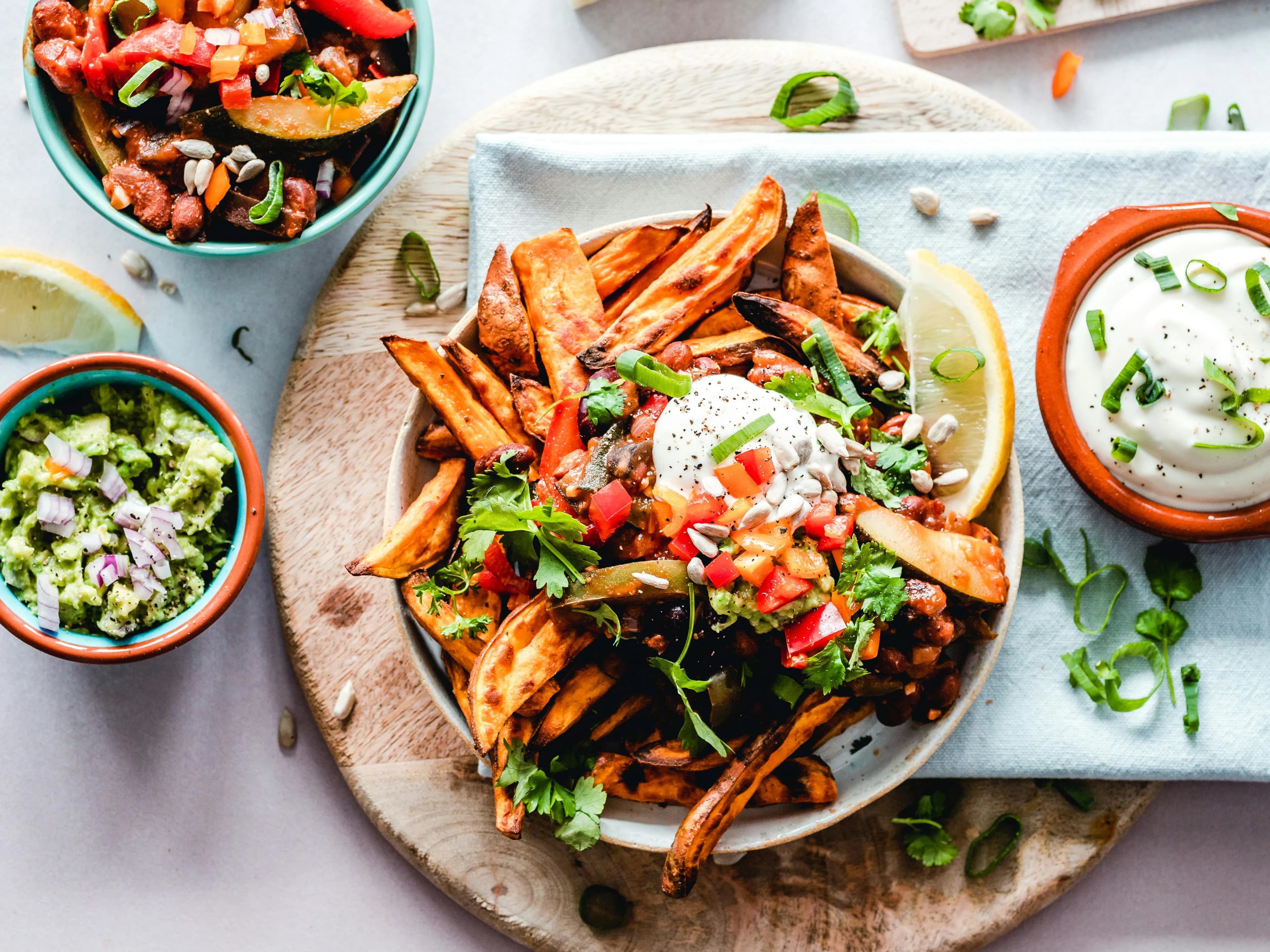
In this article, we’ll uncover the most common but unexpected food misconceptions and reveal what science actually says.
1. “Carbs Are Always Bad”
One of the most popular diet trends is cutting out carbs completely. But here’s the truth:
- Your brain’s primary energy source is glucose, which comes from carbs.
- The problem isn’t carbs - it’s the type of carbs you consume.
- Refined carbs (sugar, candy, sodas) can cause spikes in blood sugar and cravings.
- Complex carbs (whole grains, vegetables, legumes) are essential for a balanced diet.
Tip → Don’t eliminate carbs entirely. Instead, choose slow-digesting, healthy carbs.
2. “Salt Will Kill You”
We often hear that salt is harmful, but the truth is more nuanced:
- Excessive salt can raise blood pressure and cause health issues.
- However, avoiding salt entirely can be just as dangerous, leading to:
- Electrolyte imbalances
- Low blood pressure
- Muscle cramps
Ideal daily intake: around 5 grams.
The real danger comes from processed foods, which contain hidden excessive salt.
3. “Dairy Is Harmful for Adults”
There’s a widespread belief that adults shouldn’t consume dairy products. But science disagrees:
- Around 65% of the global population has lactose intolerance, but that still leaves millions who digest dairy perfectly fine.
- If your body tolerates lactose, dairy can be a valuable source of calcium, vitamin D, and protein.
- The real issue lies in processed dairy products loaded with sugar and additives.
4. “Eating Late at Night Always Makes You Gain Weight”
This is one of the most persistent food myths. In reality:
- Weight gain depends on your overall calorie balance, not the time of day.
- If you consume fewer calories than you burn, you won’t gain weight - even if you eat late.
- For night owls, eating after 8 PM is perfectly fine as long as you manage total calorie intake.
5. “Avocados and Nuts Make You Fat”
It’s true that avocados, almonds, and walnuts are high in calories, but they’re also packed with healthy fats that:
- Improve heart health
- Support hormonal balance
- Reduce stress and inflammation
Tip → Don’t avoid healthy fats. Just eat them in moderation.
6. “The More Vitamins You Take, the Healthier You’ll Be”
Many people assume that taking high doses of vitamins automatically boosts health. But studies show the opposite:
- Overdosing on fat-soluble vitamins (A, D, E, K) can lead to liver damage, kidney problems, and heart issues.
- Supplements should never replace natural food sources unless prescribed.
Best approach → Get your nutrients from a balanced diet, not just pills.
7. “Coffee Is Bad for You”
For years, coffee was blamed for heart problems and anxiety - but modern science tells a different story:
- Moderate coffee consumption (2-3 cups per day) can:
- Boost concentration and memory
- Improve metabolism
- Provide powerful antioxidants that protect your cells
- The real danger comes from excessive coffee intake - more than 5-6 cups daily.
8. “Gluten Is Always Poison”
Gluten, a protein found in wheat, barley, and rye, has gained a bad reputation — but it’s not harmful for most people:
- If you have celiac disease or gluten intolerance, avoiding it is essential.
- For everyone else, gluten is perfectly safe and cutting it out unnecessarily can lead to nutritional deficiencies.
9. “Diet Sodas Are Healthier”
Many replace regular sugary drinks with diet sodas, assuming they’re better for weight loss. The reality:
- Artificial sweeteners in diet sodas can confuse the brain and disrupt insulin regulation.
- Studies suggest that they may actually increase appetite, leading to overeating.
Better choice → Water, sparkling water, or unsweetened tea.
10. “Natural Always Means Healthy”
Labels like “100% natural” can be misleading:
- Not everything natural is safe - many plants, mushrooms, and herbs are toxic.
- “Natural” is often used as a marketing trick, not a guarantee of health benefits.
Tip → Always check the ingredients and nutritional facts, not just the label.
Food myths are everywhere - fueled by marketing, outdated studies, and social trends.
True healthy eating is about balance and science, not extremes or viral diet tips.
Next time you hear a “nutrition fact,” double-check it - your body will thank you.
Related articles

 LifestyleDecember 9, 2025
2025 Cinema Chronicle: The Best 5 Films and 5 Series of the Year
9 min read LifestyleDecember 9, 2025
Festive Tables Around the World: New Year's Traditions and Their Flavorful Nuances
9 min read LifestyleNovember 10, 2025
When Steel Starts to Think: China’s Robots Step Out of the Lab
10 min read LifestyleNovember 5, 2025
The Shadow Kingdom of Dreams: What Are Our Nightly Visions Trying to Tell Us?
12 min read LifestyleOctober 31, 2025
The Taurus Zodiac: The Emblem of Groundedness, Loyalty, and Sensuality
9 min read LifestyleOctober 28, 2025