
Psychological Phenomena: From Déjà Vu to Synesthesia - Explaining the Mind’s Strangest Experiences
Explore the most fascinating psychological phenomena - from déjà vu and synesthesia to phantom pains, Mandela effect, and more. Scientific explanations with real-life examples.
Introduction
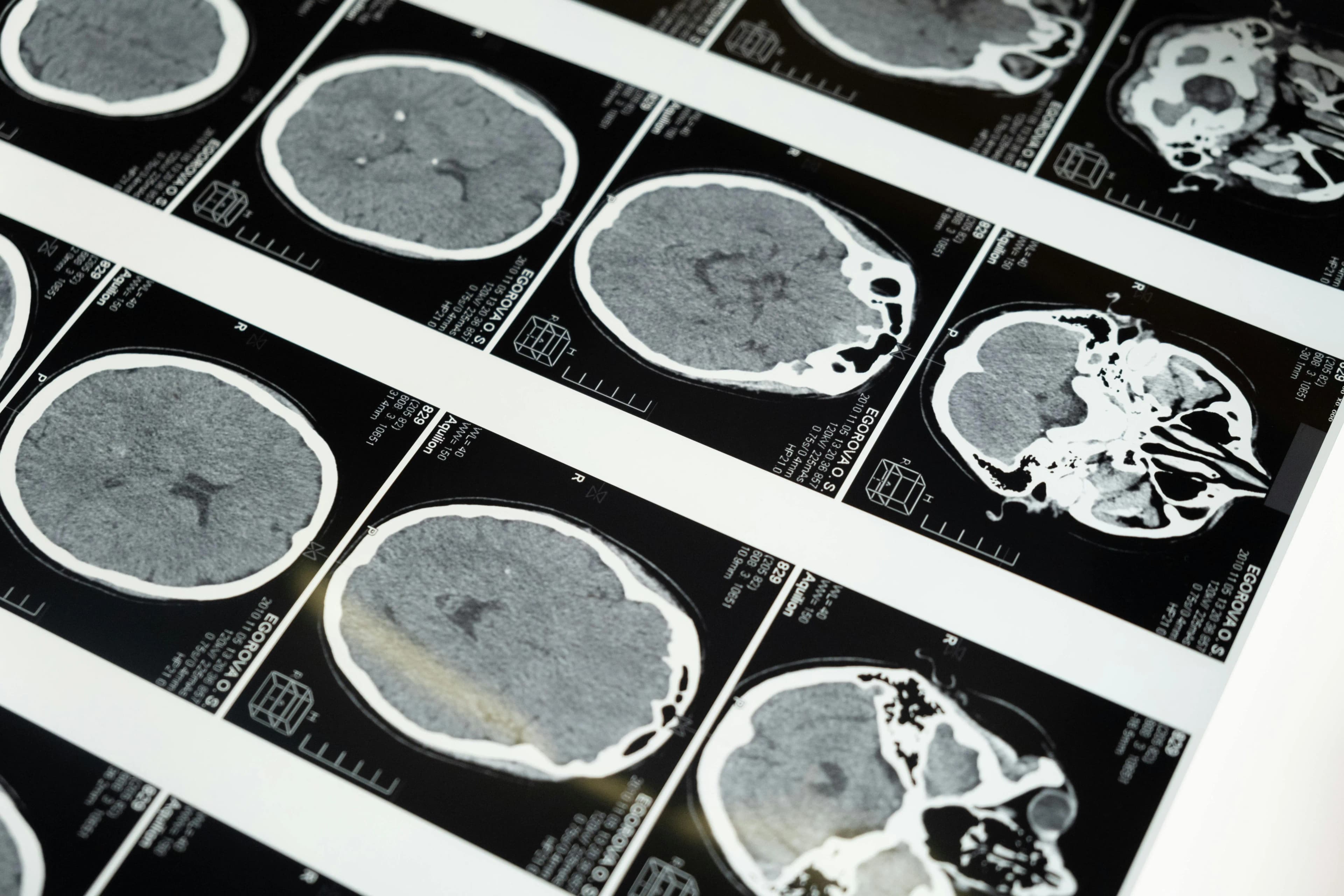
The human brain is the most powerful and complex "computer" on Earth. It processes information in milliseconds, creates memories, interprets emotions, and constructs perceptions. Yet sometimes it "glitches" and produces strange, fascinating psychological phenomena.
From deja vu to synesthesia, phantom pains to the Mandela effect, these experiences reveal how our brains shape reality in unexpected ways. Let us explore seven of the most intriguing examples.
Deja Vu - When You Feel Like You Have Lived This Before
Deja vu means "already seen" in French. It is the sensation that you have experienced a situation before, even when you logically know it is impossible.
How it happens:
- The brain detects similarities between the current moment and stored memories.
- A mismatch occurs, causing the brain to "flag" the moment as familiar when it is not.
Fun fact: Around 70% of people report experiencing deja vu at least once, most commonly between the ages of 15 and 25.
Synesthesia - When the Senses Merge
Synesthesia is a rare phenomenon where senses "cross-wire," allowing people to experience multiple sensations simultaneously.
Types:
- Grapheme-color synesthesia - numbers or letters always appear in fixed colors
- Sound-color synesthesia - hearing sounds triggers the perception of colors
- Taste synesthesia - certain sounds or words evoke flavors
Example: Composer Alexander Scriabin associated musical notes with colors - for him, C major was blue and A minor was red.
Phantom Pains - When the Body Remembers What Is Gone
Phantom pains occur when people feel sensations in limbs or organs that are no longer part of the body, usually after amputations.
Why it happens:
- The brain maintains a "sensory map" of the entire body.
- Even after losing a limb, the brain continues to process signals as if it is still present.
Treatment: Mirror therapy can reduce phantom pains by visually "restoring" the missing limb, allowing the brain to recalibrate its perception.
Mandela Effect - When Everyone Misremembers
The Mandela effect occurs when large groups of people share the same false memory.
Origin:
It is named after the widespread belief that Nelson Mandela died in prison during the 1980s. In reality, he was released in 1990 and died in 2013.
Other examples:
- Pikachu’s tail - many believe it has a black tip, but it is fully yellow
- "Luke, I am your father" - the actual Star Wars line is "No, I am your father"
Time Dilation - When Time Slows Down
In stressful or dangerous situations, time often seems to pass more slowly.
How it works:
- The brain’s amygdala becomes hyperactive under threat.
- It processes far more details per second, making moments feel stretched and longer than they are.
Example: People involved in accidents frequently report that milliseconds felt like minutes during the experience.
Hypnagogic Hallucinations - When Dreams Blend Into Reality
These vivid hallucinations happen as you are falling asleep or waking up. People may see images, hear voices, or feel as though they are falling.
Cause:
- At the border of sleep and wakefulness, parts of the brain remain active while others are shutting down.
- This mixed brain activity creates highly realistic sensations.
Fun fact: Hypnagogic hallucinations are often linked with sleep paralysis, where people wake up unable to move and may sense a "presence" nearby.
Barnum Effect - When Vague Descriptions Feel Personal
The Barnum effect refers to the tendency of people to believe that vague, general statements apply specifically to them.
Examples:
- Horoscopes often use phrases like "You enjoy helping others but sometimes need time alone" - which almost everyone identifies with.
- Many personality tests are designed around this principle, making people feel the results are uniquely accurate.
Research shows that more than 80% of people trust such generalized statements.
The human brain is remarkable but imperfect. From deja vu and synesthesia to phantom pains and the Mandela effect, these psychological phenomena reveal that our perception of reality is subjective and often misleading.
Next time you "relive" a moment, "hear" colors, or "remember" something that never happened, keep this in mind - it is your brain playing tricks on you.
Related articles
 LifestyleDecember 9, 2025
2025 Cinema Chronicle: The Best 5 Films and 5 Series of the Year
9 min read LifestyleDecember 9, 2025
Festive Tables Around the World: New Year's Traditions and Their Flavorful Nuances
9 min read LifestyleNovember 10, 2025
When Steel Starts to Think: China’s Robots Step Out of the Lab
10 min read LifestyleNovember 5, 2025
The Shadow Kingdom of Dreams: What Are Our Nightly Visions Trying to Tell Us?
12 min read LifestyleOctober 31, 2025
The Taurus Zodiac: The Emblem of Groundedness, Loyalty, and Sensuality
9 min read LifestyleOctober 28, 2025