
Pixelated Happiness: Can We Really Feel Real Emotions in Virtual Worlds?
Never before in human history have the real and virtual worlds been so closely intertwined. Social networks, online games, virtual reality (VR) spaces—all of these have become an inseparable part of our lives.
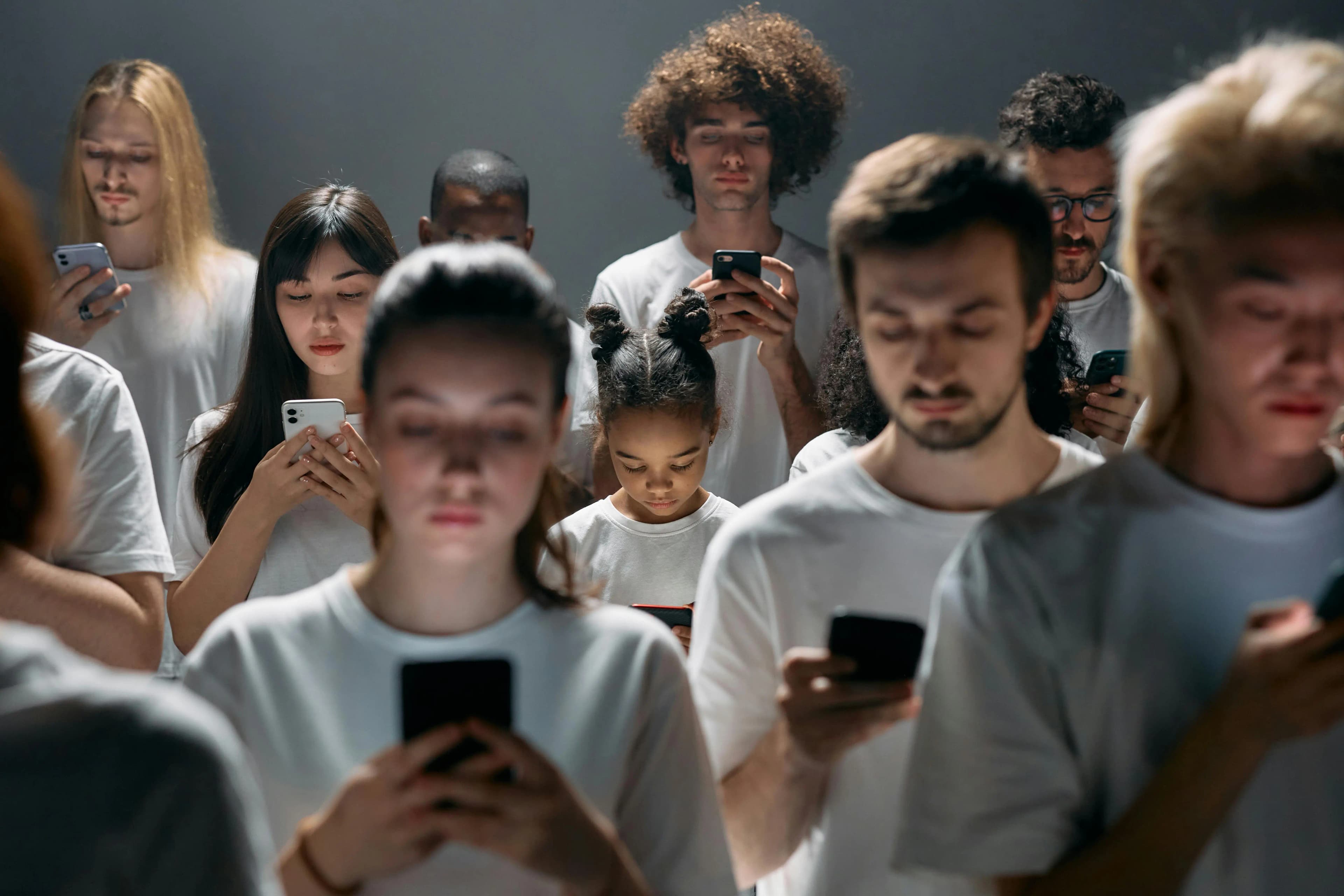
The main question remains: can our virtual experiences, our "pixelated happiness," be as real as the emotions felt in the physical world?
The Scientific Perspective: The Physiology of the Brain
For psychologists and neuroscientists, the answer to this question is quite clear: yes, the brain doesn't distinguish between real and virtual emotions. When we experience any emotion, regardless of whether it happens online or offline, the same areas of our brain are activated, and the same hormones are produced.
- The Role of Dopamine. This hormone is responsible for feelings of satisfaction and reward. When you get a "like" on your photo, win an online game, or receive a message from a loved one, your brain responds by producing dopamine. Studies have shown that the feeling from getting a "like" on social media is similar to the feeling a person gets when receiving a physical reward. This replicates the feelings that arise during successes or positive interactions in real life.
- Oxytocin and Serotonin. When we create an emotional connection in a virtual world, for example, having a deep conversation with an online friend or winning a big competition with a team, our brain produces oxytocin (the bonding hormone). Serotonin, which stabilizes mood, can also increase, creating a feeling of happiness and well-being.
Emotional Connections and Virtual Relationships
In the virtual world, people can create and maintain deep emotional connections. Global networks allow us to communicate with people we would never meet otherwise. For many, virtual friends can be as important as real-life friends.
For example, in games like "World of Warcraft" or "Final Fantasy XIV," players spend hours together, overcoming challenges, sharing victories, and forming communities. These interactions often lead to real-life meetings and strong friendships.
"When you play with someone 10 hours a day, you know more about them than someone you see once a week," noted sociologist Danah Boyd.
Dangers and Challenges
Although the virtual world can provide real emotions, it also has its challenges:
- Lack of Depth. Some critics argue that virtual emotions can be superficial. Although dopamine can be activated by a "like," it doesn't replace the feelings that arise during a real hug or face-to-face interaction.
- Disconnection from Reality. Many people who spend too much time in the virtual world can lose touch with reality. This "pixelated happiness" can become an escape from real-life problems, leading to loneliness and depression.
- Vulnerability. In the virtual world, we often present ourselves not as we are, but as we want to be. This can lead to disappointments when virtual relationships are transferred to real life.
The virtual world is not a substitute for reality, but its supplement. It's important to find a balance - using technology to enrich real-life emotions, not to escape from them. Our brain allows us to feel, but in the end, we choose where we seek happiness: on a pixelated screen or in real life.
Related articles
 LifestyleDecember 9, 2025
2025 Cinema Chronicle: The Best 5 Films and 5 Series of the Year
9 min read LifestyleDecember 9, 2025
Festive Tables Around the World: New Year's Traditions and Their Flavorful Nuances
9 min read LifestyleNovember 10, 2025
When Steel Starts to Think: China’s Robots Step Out of the Lab
10 min read LifestyleNovember 5, 2025
The Shadow Kingdom of Dreams: What Are Our Nightly Visions Trying to Tell Us?
12 min read LifestyleOctober 31, 2025
The Taurus Zodiac: The Emblem of Groundedness, Loyalty, and Sensuality
9 min read LifestyleOctober 28, 2025