
The Power of Storytelling: How Movies and Books Change Our Worldview
From the very beginning of human history, stories have been an inseparable part of our existence. They were passed down orally, then through books, and today, also through movies. While these stories often seem like simple entertainment, scientific research shows that they have an immense power to change our beliefs, emotions, and overall worldview. Stories can not only reflect reality but also shape it.

Empathy and Neural Connections: A Scientific Approach
When we watch movies or read books, complex neurological processes occur in our brains. When we read or watch the story of another person's character, our brain activates the areas responsible for empathy and social interactions. This especially applies to a crucial part of our nervous system: mirror neurons, which allow us to feel the experiences and emotions of others.
- The "Social Brain" and Stories. Neuroscientific studies show that when people immerse themselves in a story, their brains begin to react as if they are personally living those events. For example, a 2013 study (published in the Brain Connectivity journal) showed that when participants read a story about an event, the parts of their brains responsible for movement and emotions become active.
- The Psychological Impact. Movies and books can make us feel deep emotions, sympathizing with characters who face difficulties. This makes us more compassionate and understanding towards other people in real life, as we learn to see the world through someone else's eyes. This is why people who read books often have a higher level of empathy.
Social Changes and Cultural Influence
Movies and books are a powerful tool for not only individual but also societal change. They can break stereotypes, expose injustices, and change our attitude towards social issues.
- Forcing Us to Think. For example, Harriet Beecher Stowe's novel Uncle Tom's Cabin played a major role in the fight against slavery in the United States. The book, by presenting the horrors of slavery through a human drama, moved society and forced people to reconsider their attitudes. Similarly, Steven Spielberg's film Schindler's Listdrew attention again to the horrors of the Holocaust, showing the resilience and tragedy of the human spirit.
- Changing Perceptions. Modern movies and books can dismantle social stereotypes by presenting people from different cultures, genders, or social classes. Characters who overcome obstacles and succeed inspire us, and characters from the opposite side teach us to understand other people.
Books and Movies That Will Change Your Worldview
Below are some books and movies that are known for their powerful impact and ability to change societal thinking.
- Books:
- George Orwell, 1984: A classic dystopian novel that exposes the dangers of totalitarian regimes and the value of personal freedom.
- Harper Lee, To Kill a Mockingbird: A novel that reveals the problems of racism and injustice in the American South.
- Yuval Noah Harari, Sapiens: A Brief History of Humankind: This book makes us re-examine the entire history of humanity and our role in the world.
- Movies:
- Schindler's List: A film that shows the tragedy of the Holocaust, while also highlighting the power of human kindness.
- The Matrix: A sci-fi film that questions the reality of our perception and makes us think about freedom and choice.
- Parasite: A South Korean film that sharply criticizes social inequality and the class divide among people.
Books and Movies as a "Trial Platform"
Movies and books are a unique "trial platform" for us. We can "live" through events that we will never have in our real lives—being heroes, traveling through different times, or to the depths of space. These experiences allow us to develop our imagination and thinking.
When we finish a book or a movie, we do so from a new perspective. Our worldview has changed slightly; we have gained new knowledge about human nature or the world. Thus, books and movies are not just entertainment but a crucial part of our personal and societal evolution.
Related articles
 LifestyleDecember 9, 2025
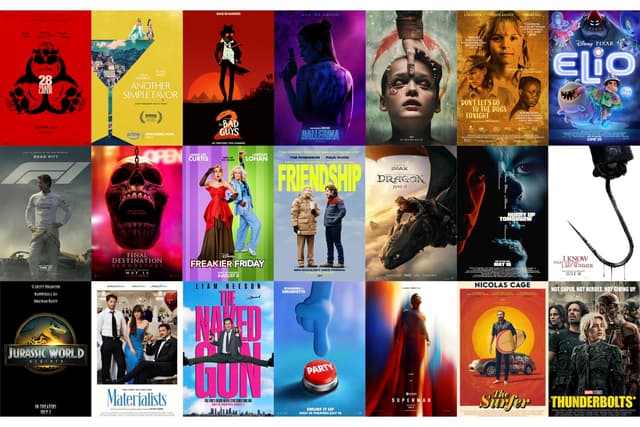
2025 Cinema Chronicle: The Best 5 Films and 5 Series of the Year
9 min read LifestyleDecember 9, 2025
Festive Tables Around the World: New Year's Traditions and Their Flavorful Nuances
9 min read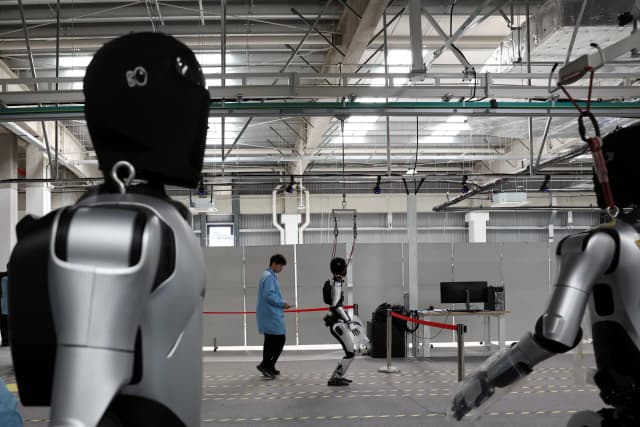 LifestyleNovember 10, 2025
When Steel Starts to Think: China’s Robots Step Out of the Lab
10 min read LifestyleNovember 5, 2025
The Shadow Kingdom of Dreams: What Are Our Nightly Visions Trying to Tell Us?
12 min read LifestyleOctober 31, 2025
The Taurus Zodiac: The Emblem of Groundedness, Loyalty, and Sensuality
9 min read LifestyleOctober 28, 2025