
The Sleeping Heroes: Genetic Mutations as the Architects of Humanity's Future
The human genome isn't a static structure, but a dynamic system that is constantly undergoing changes. These changes, known as mutations, are the driving force of evolution. They can be minor - damaging a single cell - or significant, affecting entire populations. While mutations are often associated with diseases, they are also the secret to our survival and adaptability.
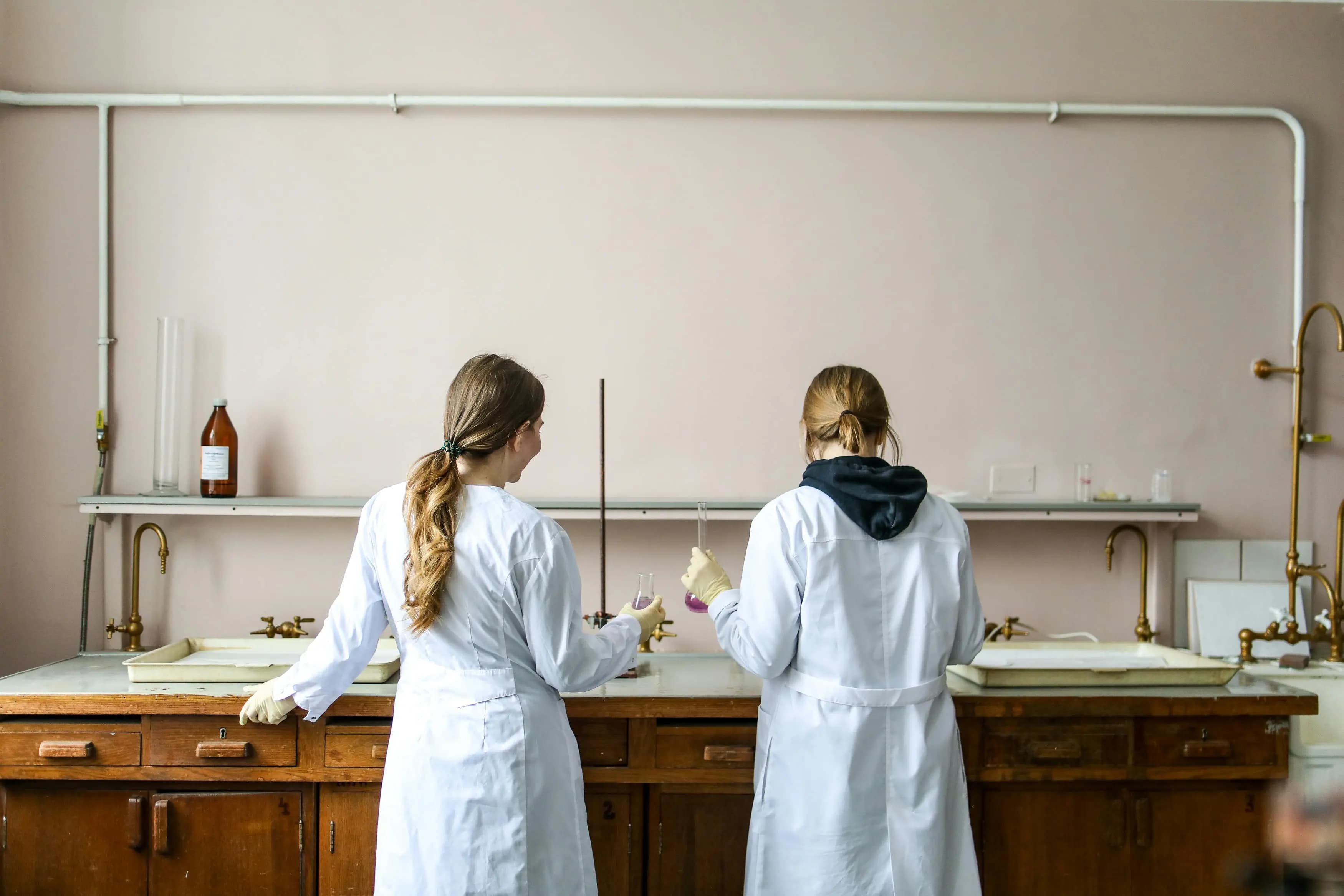
Mutations: Tools of History and Evolution
Mutations have already left their mark on our evolution, helping humanity adapt to different environments and challenges. They have acted not randomly, but often in response to the pressures of natural selection.
- HIV Resistance (CCR5-Δ32 Mutation): This mutation originated in Northern Europe approximately 20,000 years ago. It is linked to the CCR5 gene and protects people from certain types of HIV, as the mutation prevents the virus from entering T-cells. Interestingly, scientists hypothesize that this mutation spread in Europe in response to the plague epidemic (Black Death). Those who carried this mutation were more resistant to the epidemic.
- High-Altitude Adaptation (EPAS1 Gene): People living in Tibet and the Andes have acquired an EPAS1 gene mutation over thousands of years of evolution, which is known as the "super-athlete" gene. This mutation allows their bodies to efficiently use oxygen in high-altitude, low-pressure conditions. This mutation is very rare in other populations around the world.
Mutations: The Key to the Future
Today, we know more about the genome than ever before. This allows us not only to understand the causes of mutations but also to predict how they will shape our future.
- Longevity and Health: A number of studies show that some rare mutations are associated with longevity and a reduced risk of cancer. For example, in a study of people living in a small town in Italy, scientists discovered a APO-A1 Milano genetic mutation. This mutation provides unprecedented resistance to heart disease, regardless of their diet. This discovery has become the basis for the development of new drugs.
- Space Travel: Mutations can play a significant role in space travel. During interplanetary flights, astronauts are exposed to high levels of radiation. In the future, it may be possible to "activate" or create mutations that will protect the human body from radiation damage. Today, the genes of some bacteria and animals that are resistant to cosmic radiation are already being studied, which can serve as a model.
Societal and Ethical Challenges
This rapid scientific development brings new ethical challenges. If we can modify our genes to prevent diseases or improve our physical and mental abilities, where is the limit? Who will decide which mutations are "good" and which are "bad"?
Mutations are the relics of our past and the blueprints for our future. They are not mistakes, but a vital tool that allows humanity to continuously evolve and adapt in a world that is always changing.
Related articles
 LifestyleDecember 9, 2025
2025 Cinema Chronicle: The Best 5 Films and 5 Series of the Year
9 min read LifestyleDecember 9, 2025
Festive Tables Around the World: New Year's Traditions and Their Flavorful Nuances
9 min read LifestyleNovember 10, 2025
When Steel Starts to Think: China’s Robots Step Out of the Lab
10 min read LifestyleNovember 5, 2025
The Shadow Kingdom of Dreams: What Are Our Nightly Visions Trying to Tell Us?
12 min read LifestyleOctober 31, 2025
The Taurus Zodiac: The Emblem of Groundedness, Loyalty, and Sensuality
9 min read LifestyleOctober 28, 2025