
About Gluten: The most talked-about protein in the world
Gluten is a complex group of proteins found in wheat, barley, and rye. It's what gives bread its signature stretchy, chewy texture, but it can also cause problems for some people.
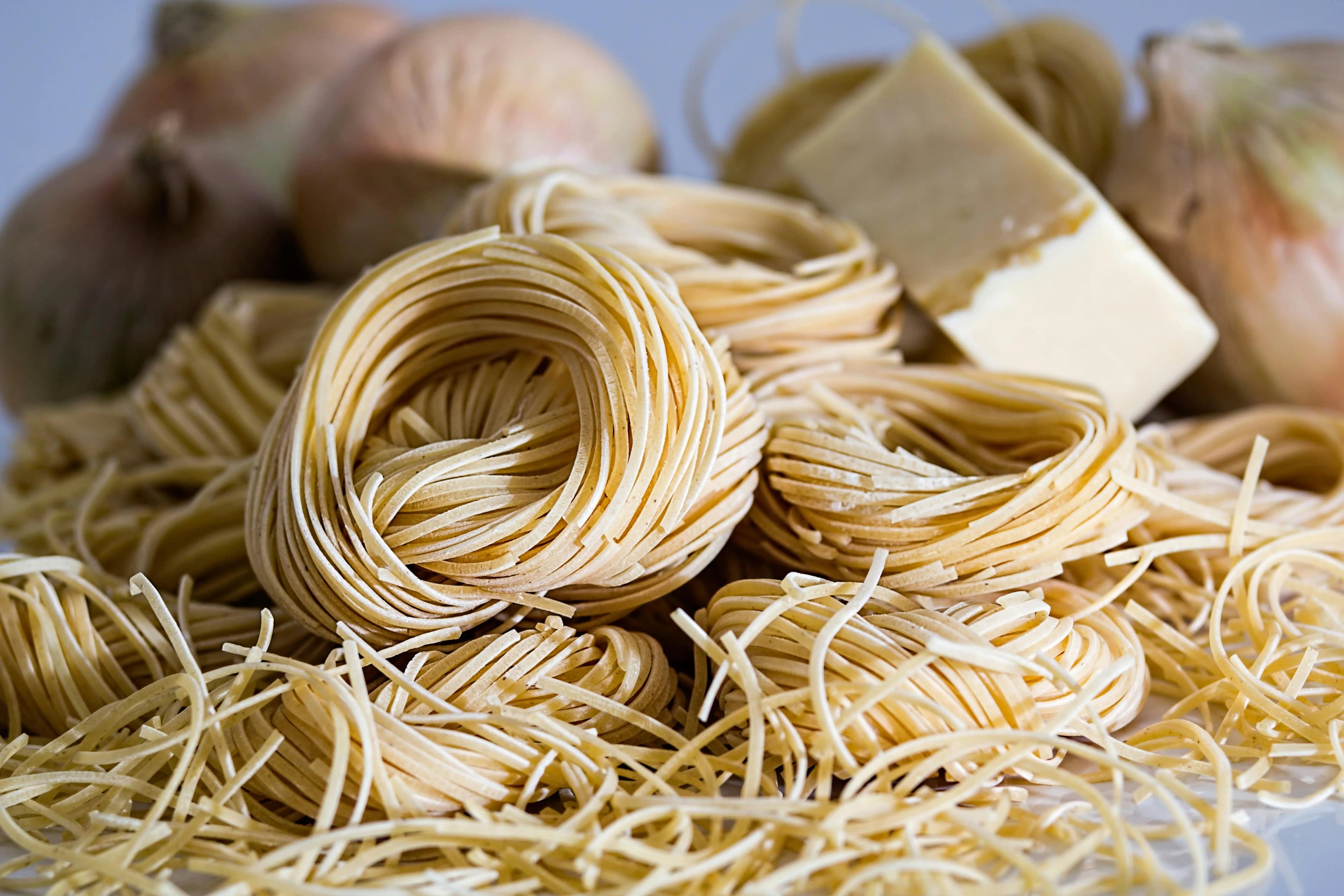
In recent decades, gluten has become one of the most debated topics in nutrition. On one hand, it is an essential part of everyday diets - bread, pasta, pastries - while on the other hand, it is avoided by millions who see it as a hidden poison. An entire industry worth billions of dollars has emerged around gluten-free products. But what is gluten really, is it harmful to everyone, and why has it become such a controversial subject in modern food culture?
WHAT IS GLUTEN
- Gluten is a protein complex found primarily in wheat, barley, and rye.
- It consists of two main groups of proteins: glutenin and gliadin.
- Gluten provides dough with elasticity and helps bread rise, giving it a soft and airy texture.
The word “gluten” itself comes from the Latin word for “glue,” which explains its binding role in food. Without gluten, bread would be flat and crumbly rather than fluffy and chewy.
THE HISTORY OF GLUTEN
- Wheat was first cultivated in the Fertile Crescent of the Middle East about 10,000 years ago.
- Bread quickly became a staple in ancient civilizations such as Egypt and Rome.
- During the Middle Ages, white wheat bread was considered a luxury food reserved for the wealthy.
Today, gluten-containing baked goods are the most widely consumed food products in the world. According to the FAO (Food and Agriculture Organization), over 700 million tons of wheat are consumed globally every year.
GLOBAL CONSUMPTION
- The average European consumes around 60–80 kg of wheat per year.
- In Asia, wheat consumption is even higher, averaging 100 kg per year.
- In Africa, corn and rice remain dominant, but wheat consumption is steadily increasing.
In North America, gluten-containing products account for 35–40% of daily calorie intake, making it one of the most significant sources of energy.
HEALTH IMPACT
Gluten is not harmful to the majority of people, but it poses serious health risks to specific groups:
- Celiac disease – a genetic autoimmune disorder affecting about 1% of the global population. For these individuals, gluten damages the small intestine, leading to malnutrition and severe health issues if untreated.
- Non-celiac gluten sensitivity – about 6–7% of people experience digestive discomfort, bloating, or fatigue after consuming gluten, even without having celiac disease.
- Wheat allergy – a rare but distinct condition that differs from celiac disease.
For everyone else, gluten is not only harmless but also valuable as a source of protein, fiber, and iron.
THE GLUTEN-FREE INDUSTRY
- Since the 2010s, the gluten-free diet has become a global trend.
- According to Statista, the gluten-free food market was valued at $6.5 billion in 2023.
- Nearly 50% of gluten-free consumers have no medical condition requiring them to avoid gluten. Instead, they follow the diet for lifestyle reasons or due to marketing influence.
Today, almost every supermarket carries gluten-free bread, pasta, cookies, beer, and even pizza.
INTERESTING FACTS
- Italy has the highest number of celiac patients in Europe, with around 600,000 people diagnosed.
- An estimated 80% of people with celiac disease worldwide remain undiagnosed.
- The first gluten-free restaurant opened in New York in the 1990s.
- Celebrities like Gwyneth Paltrow and Miley Cyrus popularized the gluten-free lifestyle, fueling global demand.
THE SOCIAL AND MARKETING INFLUENCE
The gluten-free diet has become a symbol of health and wellness, even though there is little scientific evidence that it benefits people without medical issues. Many consumers avoid gluten simply because it is perceived as harmful, not because their doctors recommend it.
This perception has turned gluten-free products into a profitable industry. They are often sold at higher prices, capitalizing on consumer fears and wellness trends. In fact, several studies show that gluten-free packaged foods can be up to 242% more expensive than their gluten-containing counterparts.
STATISTICS THAT MATTER
- According to the Celiac Disease Foundation, about 1 in 133 Americans has celiac disease.
- Surveys show that 30% of U.S. adults actively try to cut down on gluten, regardless of medical necessity.
- By 2030, the gluten-free market is expected to reach $14 billion globally.
- In contrast, scientific studies confirm that over 90% of people can safely consume gluten without any side effects.
GLUTEN IN POPULAR CULTURE
Gluten has gone beyond science and entered cultural debates. “Gluten-free” is now a buzzword used by restaurants, influencers, and health brands. While for some it represents awareness and inclusivity, for others it has become a fad diet comparable to low-carb or paleo.
Interestingly, in blind taste tests, many people cannot distinguish gluten-free bread from regular bread when texture-enhancing ingredients are used. This shows that the stigma around gluten is often psychological rather than scientific.
Gluten has been a companion to humanity for thousands of years, feeding civilizations and shaping food cultures. For the majority of people, it is safe, nutritious, and part of a balanced diet. For those with celiac disease or sensitivity, however, it represents a real threat that requires medical attention.
The lesson is clear: gluten should not be demonized universally. Instead, we must rely on medical diagnosis, not internet trends, to decide whether gluten belongs in our diets. The next time you pick up a loaf of bread or a bowl of pasta, remember — gluten is not the enemy for everyone.
Related articles
 LifestyleDecember 9, 2025
2025 Cinema Chronicle: The Best 5 Films and 5 Series of the Year
9 min read LifestyleDecember 9, 2025
Festive Tables Around the World: New Year's Traditions and Their Flavorful Nuances
9 min read LifestyleNovember 10, 2025
When Steel Starts to Think: China’s Robots Step Out of the Lab
10 min read LifestyleNovember 5, 2025
The Shadow Kingdom of Dreams: What Are Our Nightly Visions Trying to Tell Us?
12 min read LifestyleOctober 31, 2025
The Taurus Zodiac: The Emblem of Groundedness, Loyalty, and Sensuality
9 min read LifestyleOctober 28, 2025