
Gastronomic Tourism: Flavorful Journeys You Will Never Forget
In recent years, our perception of travel has changed significantly. It is no longer enough to simply visit famous landmarks or see museums. The modern traveler seeks a deeper, more immersive experience, and gastronomic tourism is one of the most vivid examples of this trend.
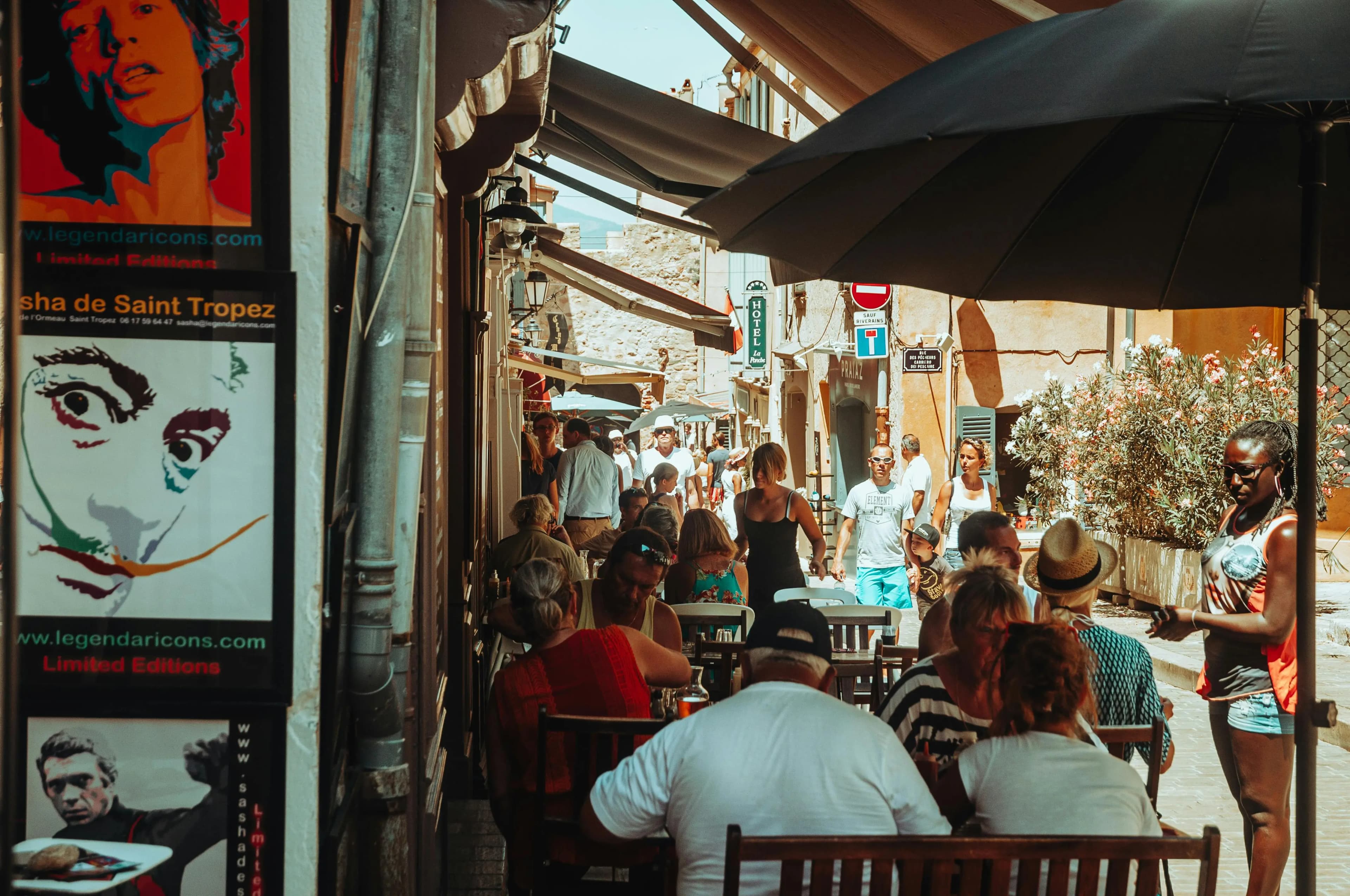
Food as a Window to Culture and History
Every national cuisine carries centuries of history, geographical peculiarities, and secrets that tell a story about people's way of life. Gastronomic journeys provide an opportunity to discover all of this. For example, participating in the chocolate festival in Perugia, Italy, not only allows you to taste world-famous sweets but also to learn about their history and the secrets of their production. The taste of properly prepared sushi in Japan, served with a special ceremony, reveals the philosophy of precision, aesthetics, and respect for food that is central to Japanese culture.
Tasting a glass of wine in the Loire Valley vineyards in France or eating a croissant in a small Parisian café is not just a culinary experience; it's a participation in the French way of life. Similarly, tasting tacos or enchiladas on the streets of Mexico transports you to the vibrant and warm atmosphere of Latin American life.
Types and Options of Gastronomic Tourism
This type of tourism is for everyone and has no budget limitations. It can include:
- Elite Gastronomy: Visiting Michelin-starred restaurants to taste the unique creations of the world's best chefs. In this case, not only the dishes are important, but also the art of presentation and the history behind each meal.
- Street Food and Local Markets: This is a more intense and cultural experience. Travelers visit local street food stalls, markets, and small shops where they can find unique dishes and ingredients that are often unknown to tourists.
- Cooking Classes and Tours: By participating in local cooking classes, travelers learn the secrets of preparing authentic dishes, interact with locals, and take home not only memories but also new skills.
Armenian Cuisine as a Gastro-Destination
Armenia, with its rich and diverse cuisine, has enormous potential for gastronomic tourism. Our unique dishes like khorovats (Armenian barbecue), harissa, tolma (dolma), and of course, lavash, which is included in the UNESCO Intangible Cultural Heritage list, can attract global attention. In addition to food, Armenia is famous for its millennia-old winemaking traditions. The regions of Areni and Vayots Dzor are a paradise for wine lovers, where they can taste ancient wine varieties, visit wineries, and learn about their history.
Gastronomic tourism is not just about eating; it's about people, cultures, and stories. It is a form of travel where every new flavor becomes an unforgettable memory.
Related articles

 LifestyleDecember 9, 2025
2025 Cinema Chronicle: The Best 5 Films and 5 Series of the Year
9 min read LifestyleDecember 9, 2025
Festive Tables Around the World: New Year's Traditions and Their Flavorful Nuances
9 min read LifestyleNovember 10, 2025
When Steel Starts to Think: China’s Robots Step Out of the Lab
10 min read LifestyleNovember 5, 2025
The Shadow Kingdom of Dreams: What Are Our Nightly Visions Trying to Tell Us?
12 min read LifestyleOctober 31, 2025
The Taurus Zodiac: The Emblem of Groundedness, Loyalty, and Sensuality
9 min read LifestyleOctober 28, 2025