
Don't Ignore These 2 Unusual Symptoms of Heart Attack in Women, Cardiologist Warns
How to recognize heart attack signs in women that are often confused with stress or other conditions.
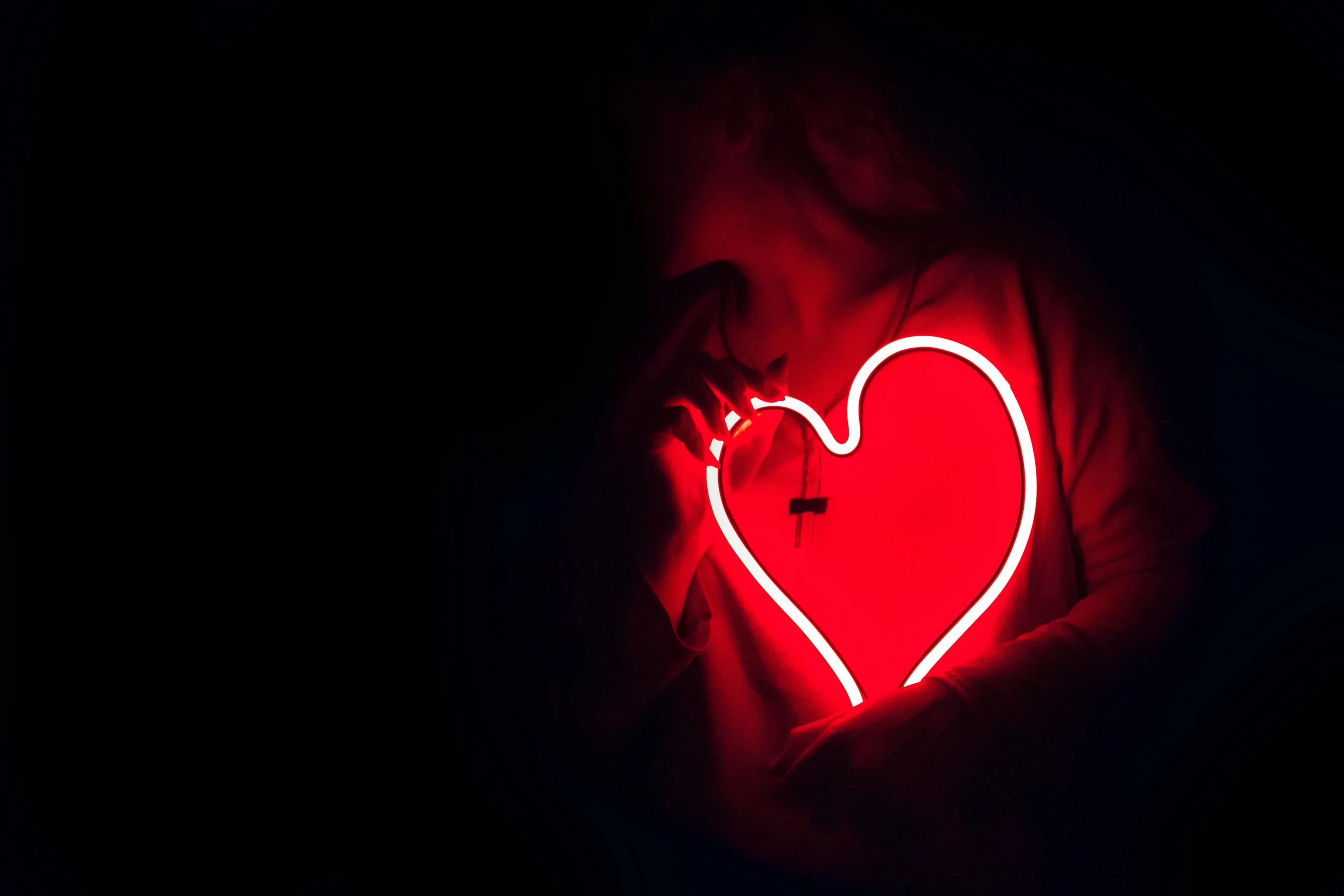
A heart attack is typically associated with crushing, intense chest pain. In women, however, it can manifest with entirely different, more subtle, and unusual symptoms that are often overlooked. Cardiologists are sounding the alarm, urging women to be more attentive to their body's signals and not to ignore two particularly important, yet atypical, symptoms that could indicate an impending heart attack.
Cardiovascular disease remains one of the leading causes of death for women worldwide. The problem is compounded by the fact that women, and sometimes even medical professionals, can fail to correctly interpret the symptoms, attributing them to stress, digestive issues, or hormonal changes related to aging.
Here are the two key unusual symptoms that cardiologists insist you pay attention to:
1. Unusual and Extreme Fatigue
This isn't just ordinary tiredness after a long workday. We're talking about a profound, inexplicable, and debilitating fatigue that can appear suddenly and doesn't go away even with adequate rest. Many women who have experienced a heart attack later report feeling this type of extreme fatigue for weeks, sometimes even a month, before the event.
How it manifests:
- You are unable to perform simple daily tasks, like grocery shopping or cleaning the house, without feeling exhausted.
- You wake up tired in the morning, even after 8-9 hours of sleep.
- You feel as if your "batteries are drained" with no logical reason for it.
Why does this happen? When the heart muscle doesn't receive enough blood, it begins to work overtime, trying to maintain the body's normal blood supply. This extreme workload leads to a deep and unexplained feeling of fatigue.
2. Pain Outside the Chest: In the Back, Neck, Jaw, or Stomach
Although chest pain remains the most common symptom of a heart attack, women are far more likely than men to experience pain in other parts of the body. This pain can be sharp, dull, aching, or feel like pressure, and it may come and go.
Where the pain can be felt:
- Upper back or between the shoulder blades: Many women describe this sensation as pressure or a feeling of being squeezed by a rope.
- Neck and jaw: The pain can radiate towards the neck or jaw. It is often mistaken for a toothache or a musculoskeletal issue.
- Upper abdomen (epigastric region): This symptom is frequently misinterpreted as heartburn or indigestion. It may be accompanied by nausea or even vomiting.
Why does this happen? Pain signals from the heart travel along the same neural pathways in the spinal cord that receive signals from other parts of the body. This can "confuse" the brain, causing the pain to be perceived as coming not from the heart, but from the back, jaw, or stomach.
When to See a Doctor
Cardiologists unanimously warn: if you experience the symptoms mentioned above, especially if they are accompanied by other signs such as shortness of breath, a cold sweat, dizziness, or an unexplained sense of anxiety, call emergency services immediately.
"Time is muscle," as doctors say. The sooner treatment begins, the greater the chance of minimizing damage to the heart muscle and saving a life. Do not be afraid of raising a "false alarm." When it comes to your heart, it is far better to be overly cautious than to ignore a life-threatening danger.
Related articles

 LifestyleDecember 9, 2025
2025 Cinema Chronicle: The Best 5 Films and 5 Series of the Year
9 min read LifestyleDecember 9, 2025
Festive Tables Around the World: New Year's Traditions and Their Flavorful Nuances
9 min read LifestyleNovember 10, 2025
When Steel Starts to Think: China’s Robots Step Out of the Lab
10 min read LifestyleNovember 5, 2025
The Shadow Kingdom of Dreams: What Are Our Nightly Visions Trying to Tell Us?
12 min read LifestyleOctober 31, 2025
The Taurus Zodiac: The Emblem of Groundedness, Loyalty, and Sensuality
9 min read LifestyleOctober 28, 2025