
Aerophobia: When Flying Becomes Fear
Flying is considered one of the greatest technological achievements of humanity. Yet for millions, boarding an aircraft is not a gateway to adventure—it's a source of deep anxiety. This fear of flying, known as aerophobia, affects personal lives, careers, and freedom to travel.
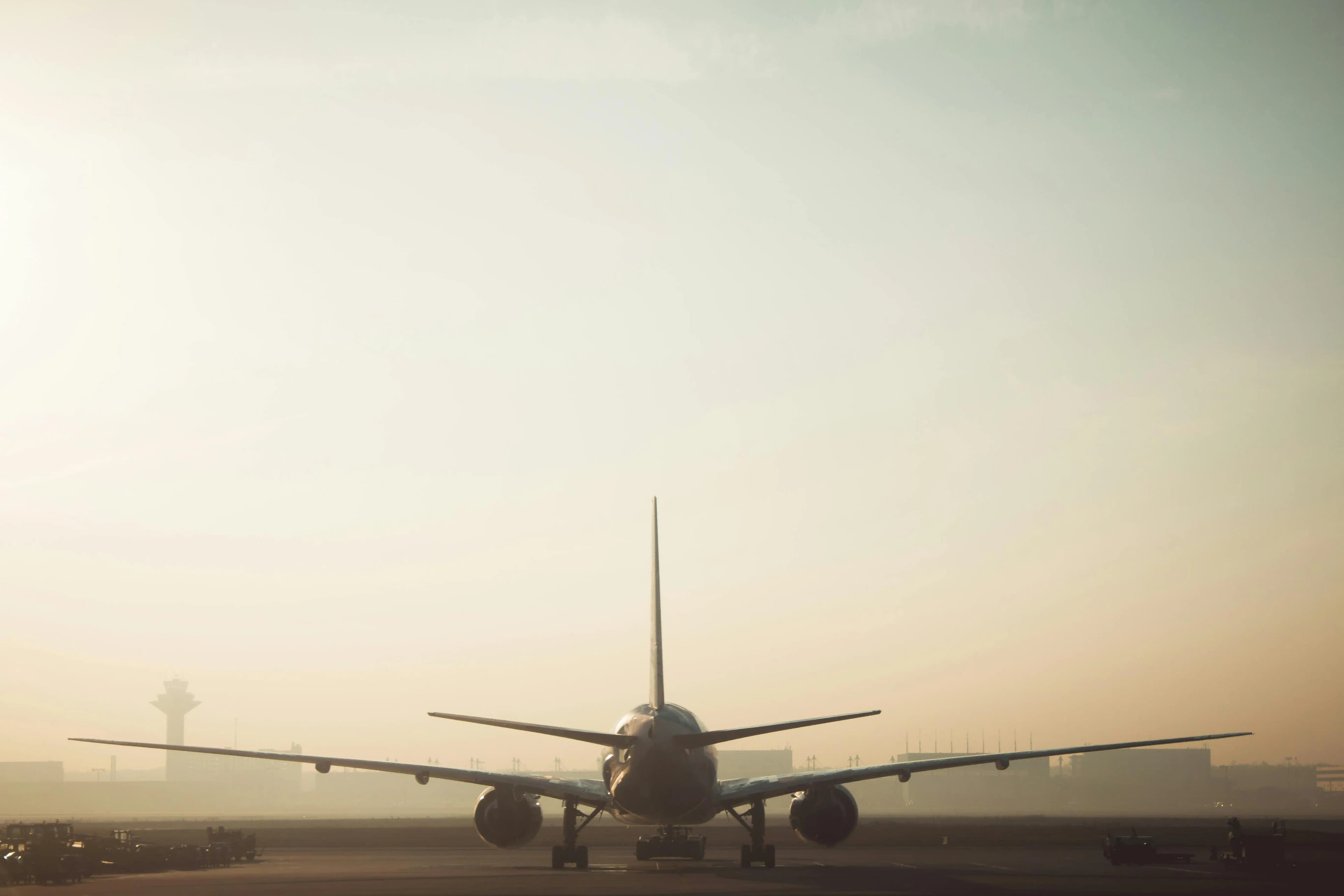
What Is Aerophobia?
Aerophobia is a specific phobia characterized by intense anxiety or panic related to flying. It can include symptoms like:
- rapid heartbeat
- nausea
- sweating
- shaking
- even full-blown panic attacks
The fear may stem from:
- a previous negative flight experience
- constant exposure to news of plane crashes
- the feeling of being trapped or out of control
For many, even booking a flight triggers physical discomfort.
Statistics That Put Things in Perspective
- According to the National Institute of Mental Health (NIMH), about 6.5% of adults in the U.S. experience some form of flight-related anxiety.
- FearOfFlying.com states the odds of a plane crash are roughly 1 in 11 million, far less than car accidents or lightning strikes.
- In 2023, Statista reported over 3.2 billion air passengers with just 5 fatal crashes globally.
Air travel remains statistically the safest mode of transportation.
Common Causes of Fear
- Loss of Control - passengers rely entirely on pilots, machines, and weather conditions.
- Claustrophobia - tight, enclosed cabin space triggers panic.
- Turbulence Misunderstanding - people misinterpret turbulence as danger, though it's completely normal.
- Media Influence - crashes get massive coverage, safe flights don’t.
- Negative Past Experiences - a rough landing or loud sound might stick for years.
How to Overcome Aerophobia
1. Educate Yourself
Understanding how planes work and how rare crashes are can significantly reduce anxiety.
Read: How Planes Work – HowStuffWorks
2. Breathing Techniques and Mindfulness
Calm your nervous system before and during the flight with:
- deep breathing
- progressive muscle relaxation
- calming music or audio meditations
3. Cognitive Behavioral Therapy (CBT)
A proven method to reframe irrational thoughts and develop coping mechanisms.
Read: APA: Treating Specific Phobias
4. Flight Simulators or Gradual Exposure Programs
Programs like British Airways - Flying With Confidence offer real aircraft simulations to desensitize fear responses.
5. Medication (if prescribed)
Mild anti-anxiety medications or sleep aids may help in the short term, but consult a professional first.
The Cultural Impact
Movies often exaggerate flight risks to build drama - Final Destination, Snakes on a Plane, Flight - but these portrayals are unrealistic. The reality is far more stable, routine, and safe.
Final Thoughts
Aerophobia is real - but so are the solutions. Through knowledge, therapy, and step-by-step exposure, it's possible to overcome it. Millions have done it. So can you.
Related articles

 LifestyleDecember 9, 2025
2025 Cinema Chronicle: The Best 5 Films and 5 Series of the Year
9 min read LifestyleDecember 9, 2025
Festive Tables Around the World: New Year's Traditions and Their Flavorful Nuances
9 min read LifestyleNovember 10, 2025
When Steel Starts to Think: China’s Robots Step Out of the Lab
10 min read LifestyleNovember 5, 2025
The Shadow Kingdom of Dreams: What Are Our Nightly Visions Trying to Tell Us?
12 min read LifestyleOctober 31, 2025
The Taurus Zodiac: The Emblem of Groundedness, Loyalty, and Sensuality
9 min read LifestyleOctober 28, 2025