
Start the day here→
3 min readJuly 23, 2025
Minimalism in Everyday Life: Less Stuff, More Happiness
In a world dominated by consumerism, where advertisements constantly urge us to buy more, minimalism emerges as a powerful counter-trend. It's not just an aesthetic style; it's a philosophy of life that calls us to focus on what truly matters: less stuff, but more value.
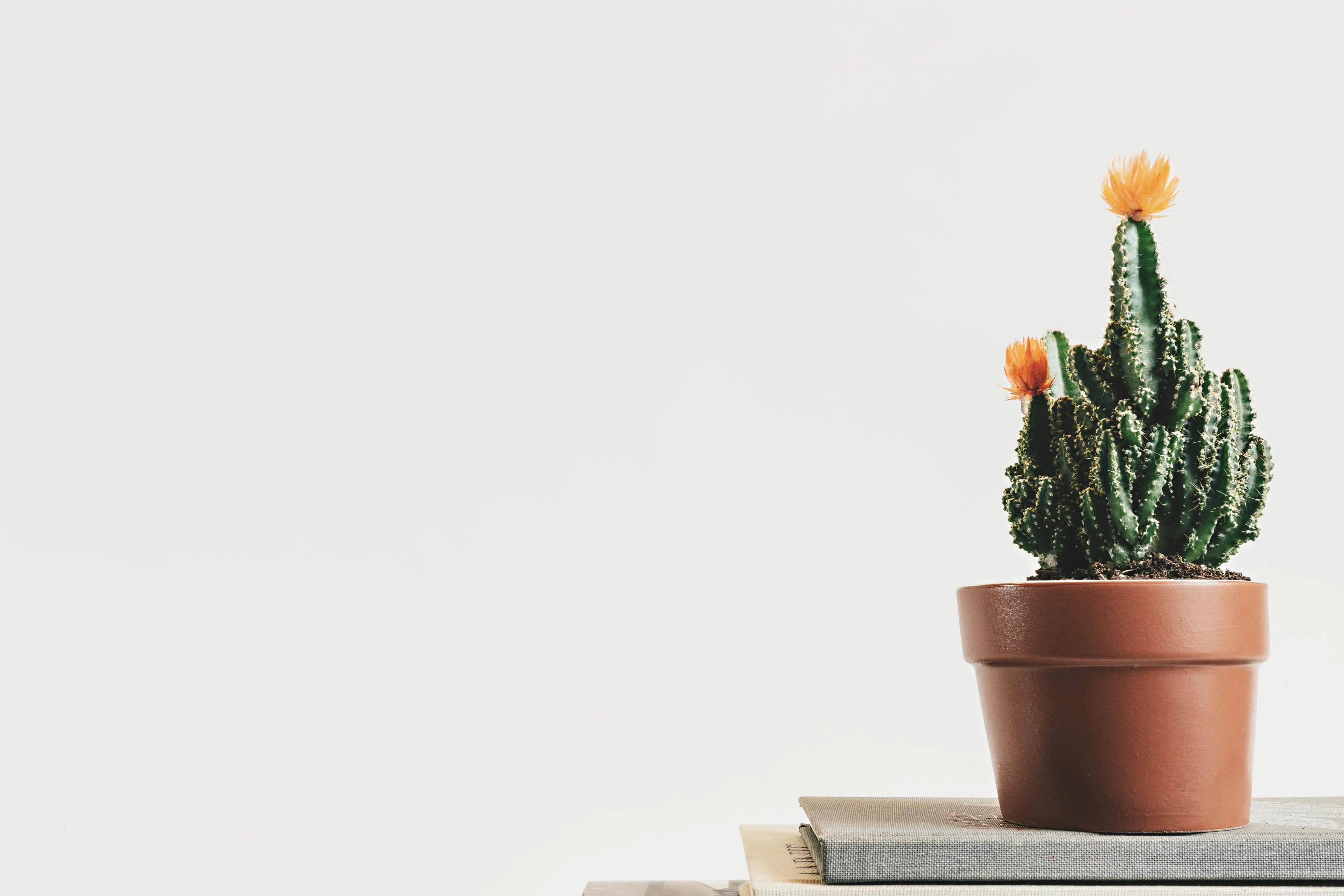
What is Minimalism? Simplicity and Purpose
Minimalism is the practice of removing excess from one's life, from material possessions to time-consuming obligations. It doesn't mean depriving yourself of everything, but rather consciously choosing what genuinely brings you joy, meaning, and purpose.
A minimalist approach can manifest in various forms:
- Material minimalism: Reducing the quantity of possessions, keeping only what's essential and beloved.
- Digital minimalism: Decreasing screen time, social media usage, and getting rid of digital clutter.
- Mental minimalism: Focusing on one task, reducing stress, and eliminating unnecessary thoughts.
Why Choose Minimalism? Everyday Benefits
A minimalist lifestyle offers numerous advantages that can significantly improve your quality of life:
- Financial Freedom: When you buy less and focus on experiences, you spend less and save more. This can lead to financial independence and reduced stress.
- Less Stress and More Calm: Accumulating possessions creates chaos and disorder. A simpler environment calms the mind, reduces time spent on cleaning, and lowers stress levels.
- Care for the Environment: By buying less and using existing items for longer, you reduce your ecological footprint and contribute to a sustainable lifestyle.
- More Time: Fewer possessions mean less cleaning, less maintenance, less upkeep. This frees up time for the things you truly love - hobbies, family, travel.
- Clarity of Purpose: By letting go of the superfluous, you better understand your values and what's truly important in your life. Your goals become clearer.
How to Start with Minimalism: Practical Steps
Transitioning to minimalism is not an overnight change but a gradual process. Here are a few steps that can help you begin:
- Start Small: Don't try to declutter your entire home at once. Begin with one drawer, one room, or one category (e.g., clothes).
- Apply the "Marie Kondo" Method: Hold each item in your hand and ask yourself, "Does this spark joy?" If not, it's time to part with it.
- Follow the "One In, One Out" Rule: When you buy a new item, get rid of another. This helps prevent accumulation.
- Focus on Experiences: Invest more in experiences - travel, events, relationships - than in material possessions. Memories last forever.
- Digital Declutter: Delete unnecessary apps, organize your files, unsubscribe from emails you don't read.
Minimalism is a path to a more purposeful, calm, and ultimately happier life. It offers an opportunity to re-evaluate your values and focus on what truly matters.
Related articles

 LifestyleDecember 9, 2025
2025 Cinema Chronicle: The Best 5 Films and 5 Series of the Year
9 min read LifestyleDecember 9, 2025
Festive Tables Around the World: New Year's Traditions and Their Flavorful Nuances
9 min read LifestyleNovember 10, 2025
When Steel Starts to Think: China’s Robots Step Out of the Lab
10 min read LifestyleNovember 5, 2025
The Shadow Kingdom of Dreams: What Are Our Nightly Visions Trying to Tell Us?
12 min read LifestyleOctober 31, 2025
The Taurus Zodiac: The Emblem of Groundedness, Loyalty, and Sensuality
9 min read LifestyleOctober 28, 2025