
How Zara Sells Speed – Not Clothes
Zara is not a fashion company that happens to move fast. It is a logistics powerhouse that happens to sell fashion.
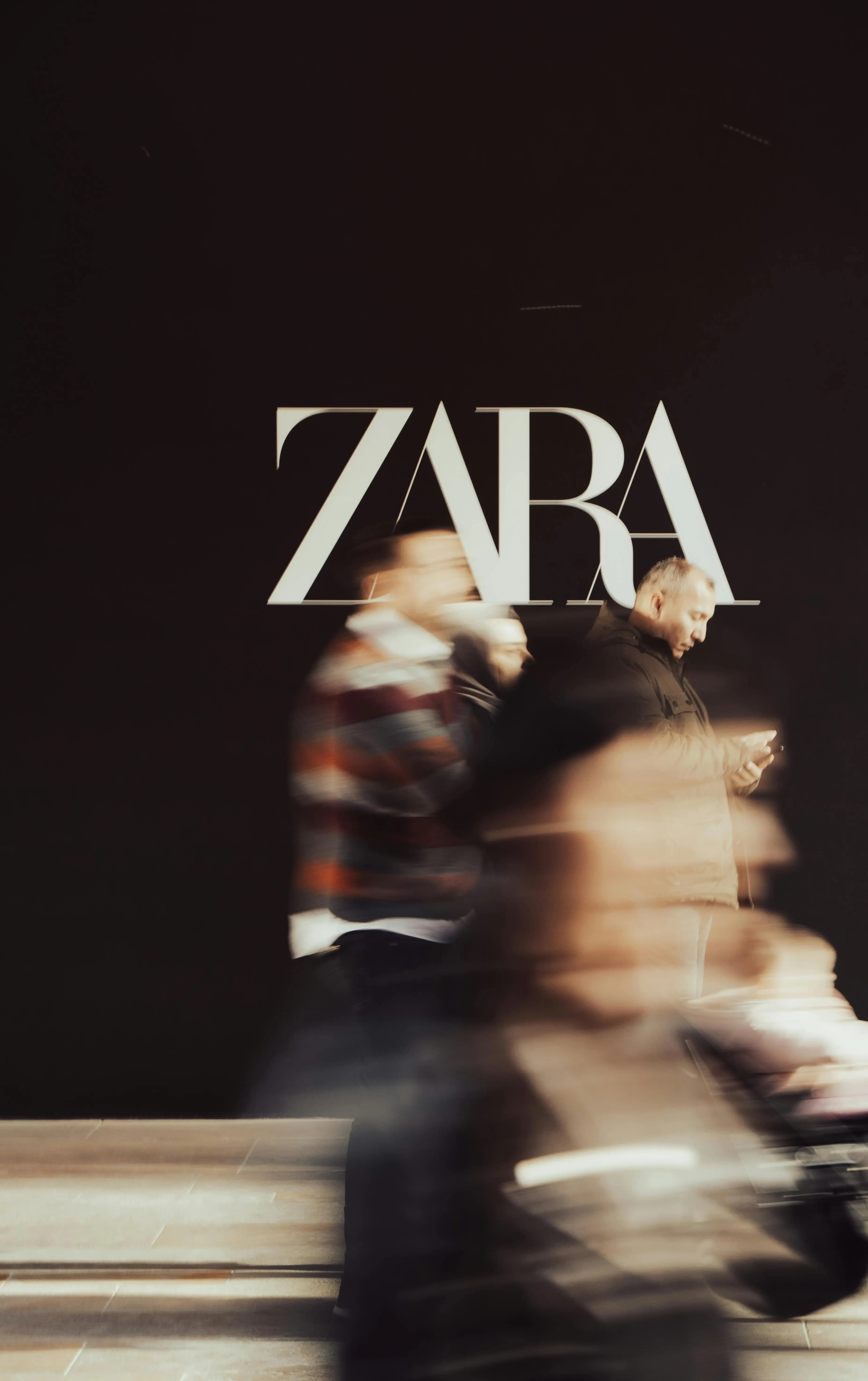
Its real product isn't the shirt you bought - it's how quickly that shirt went from sketch to shelf, and how limited its availability was. While most brands focus on aesthetics, Zara's focus is movement.
Zara as a Fashion Testing Lab
- Zara launches new collections every 2-3 weeks
- Traditional fashion brands operate seasonally - spring/summer and fall/winter
- Zara tests styles in small batches and reacts to real-time demand
If an item doesn't sell within 10 days, it vanishes. No overstock, no mass production. It’s fashion by iteration - not speculation.
Speed as a Strategic Resource
- Over 50% of Zara's products are manufactured in Spain, Portugal, and Morocco - not Asia
- This increases cost but cuts shipping time drastically
- Zara controls design, manufacturing, logistics, and distribution in a vertically integrated system
Sales data from stores is reported twice a week. Designers use that feedback to adjust next week’s production.
In other words, you don't just buy Zara - you help create the next Zara.
Scarcity by Design
Zara intentionally limits product quantities:
- To increase urgency ("buy now or never")
- To avoid clearance sales
- To make customers visit stores more frequently
That’s not accidental understocking. It’s planned psychological leverage.
Selling the Feeling of Newness
Zara doesn’t always compete on price. What it sells is freshness – the sense that what you’re buying is trendy and fleeting. Even if the material isn’t luxury, the experience feels exclusive.
When you walk into Zara, you’re not buying a shirt.
You’re buying a snapshot of the current moment - wrapped in cotton.
Limited Returns, Fast Consumption
Unlike some competitors, Zara doesn’t push generous return policies. This minimizes processing costs and discourages overthinking purchases.
Its ideal customer doesn’t hesitate or plan – they buy, wear, and return next week for more.
Zara is no longer just a clothing brand. It’s:
- A data-powered machine
- A real-time style laboratory
- A behavioral design case study
- A masterclass in supply chain efficiency
Fashion is the surface. But the true product is speed, reaction, and rhythm. And in today’s world, that’s exactly what sells.
Related articles
 LifestyleSeptember 13, 2025
How to Save Money in 2026: 7 Practical Steps
3 min read BusinessSeptember 5, 2025
"Made in Armenia": How Armenian Brands Are Conquering International Markets
5 min read BusinessAugust 27, 2025
The Growth of Startups in Developing Countries: What Lessons Can Armenia Learn?
4 min read BusinessAugust 27, 2025
The Future of Professions: Which Jobs Will Disappear by 2030?
3 min read BusinessAugust 25, 2025
The Advertising Revolution: From Offline to Social Media
4 min read BusinessAugust 25, 2025